Imler
Imler
Imler
Imler
Discover our range of heavy-duty, fresh-blending autonomous kiosks designed for commercial deployments, medical centers, subways, and premium leisure hubs.
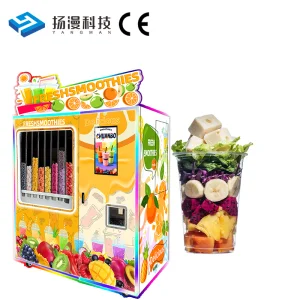
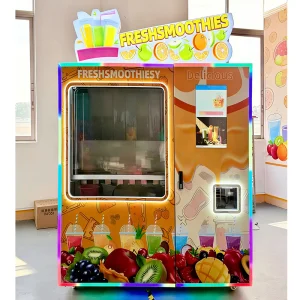
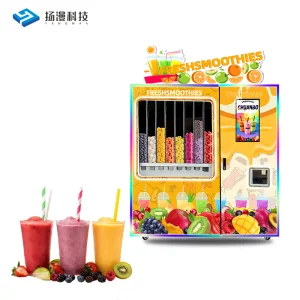
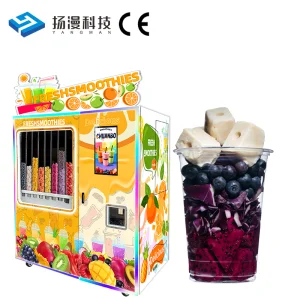
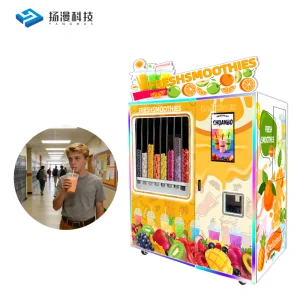
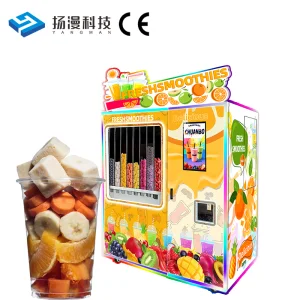
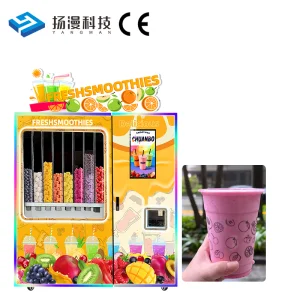
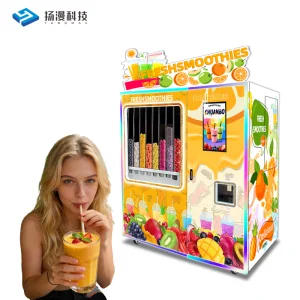
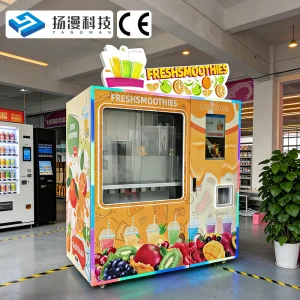
The global retail space is witnessing a massive tectonic shift from high-calorie, shelf-stable snacks towards freshly prepared, nutritionally dense food alternatives. The unattended fresh beverage market is projected to grow exponentially, fueled by smart technology developments that allow for the storage, processing, and blending of raw fruits, vegetables, and protein bases directly inside standalone kiosks. Leading global brands and independent operators are replacing obsolete candy dispensers with multi-functional automated smoothie stations.
Unlike traditional coffee machines that process powders or simple liquids, automated smoothie makers represent a high-tier class of robotic engineering. To construct a machine capable of dispensing restaurant-quality smoothies, manufacturers must resolve complex physical challenges: preserving sub-zero ingredient arrays, managing sterile water purification, high-velocity blending, custom cup sealing, and self-cleaning. The goal of top-tier smoothie vending machine manufacturers is to provide a seamless, touchless transaction where users select ingredients on a digital terminal and receive a freshly blended drink within 45 seconds.
Maintaining raw fruit and vegetable compounds under cryogenic cooling settings to preserve enzymes, taste integrity, and vital antioxidants.
Autonomous CIP (Clean-in-Place) mechanisms executing high-temperature pasteurizing and ozone rinse protocols after every cup cycle.
Real-time data loops tracking ingredient depletion levels, compressor health indices, temperature patterns, and transaction tallies.
When selecting a manufacturer for custom smoothie vending machines, industrial capability and supply chain density are the primary factors. China-based manufacturing facilities stand at the forefront of this sector due to the convergence of multiple structural advantages:
Chinese factories are physically clustered near global electronics and metal-fabrication capitals. From high-grade AISI 304 food-grade stainless steel framing, industrial variable frequency drive (VFD) blenders, to heavy-duty Emerson or Embraco refrigeration compressors, every component is sourced within a small industrial radius. This shortens the development cycle and cuts freight costs for raw materials.
Western and global buyers require tailored adaptations—such as unique local voltage setups (e.g., 110V/60Hz for North America vs 220V/50Hz for Europe), specific UI screen configurations, or API interfaces matching local enterprise billing systems. Chinese engineering teams excel at rapid CAD styling revisions, electrical redesigns, and software SDK integration to deliver plug-and-play global hardware.
Furthermore, the competitive manufacturing landscape drives continuous hardware optimization. This includes integrating smart high-definition capacitive displays (like 32-inch interactive panels), refining internal waste management steps to minimize ingredient loss, and engineering automated packaging sealers that prevent customer spills. The result is a cost-effective, high-performance kiosk that delivers rapid return on investment (ROI) for global fleet operators.
Deploying automated smoothie machines offers diverse options. Identifying locations with high foot traffic, strong wellness trends, and a demand for quick food options can maximize daily cup sales.
Post-workout recovery windows require rapid, convenient protein and nutritional replenishment. Deploying smoothie kiosks that offer functional protein-powder blends, custom protein-shaker setups, and fresh fruit alternatives serves health-conscious customers right after workout sessions. Integrating payment systems directly with member cards boosts daily engagement.
Travelers face tight schedules and have limited access to fresh, healthy meals on the go. High-speed smoothie machines located near departure gates or transit lounges provide a fast meal replacement in under a minute. The robust industrial design stands up to constant use in busy hubs, and multi-currency, contactless payment options cater to international travelers.
Modern companies prioritize employee wellness programs. Setting up smart smoothie machines in cafeteria common areas, pantry zones, or lounge spaces offers staff a fresh, healthy alternative to coffee and sugary drinks. Automated inventory alerts ensure the machines stay restocked for busy break times.
For high-traffic retail settings, visual appeal is key. Kiosks with transparent glass panels allow customers to watch the mixing process, turning it into an interactive experience. A user-friendly 32-inch touchscreen with support for custom decals and local languages drives sales and impulse purchases.
Next-generation smoothie vending technology focuses on automation, hygiene, and data intelligence. Manufacturers are integrating advanced systems to lower operational overhead and boost customer satisfaction:
Cloud systems monitor the depletion rate of individual fruit hoppers, ice reservoirs, and cups, forecasting exact restocking schedules using smart predictive analytics.
High-pressure water jet arrays, ozone disinfection modules, and automated drainage cycles eliminate fruit residue, ensuring food-safety standard compliance.
Advanced MDB/Dex reader modules enable seamless card swipes, QR mobile scans, RFID access systems, and cashless app payments worldwide.
From a technical standpoint, maintaining a consistent fresh texture requires precise ice crushing and high-torque blending. Modern machines feature variable speed motor controls that adjust blade RPMs based on the selected recipe—such as leafy green vegetables vs frozen berries. This ensures a consistent drink texture every time.
Browse the second half of our hardware lineup, highlighting specialized customization options, multi-voltage designs, and durable outdoor models.
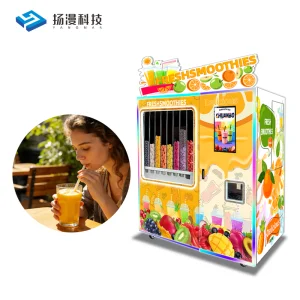
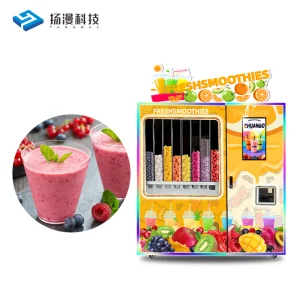
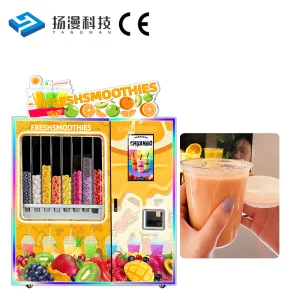
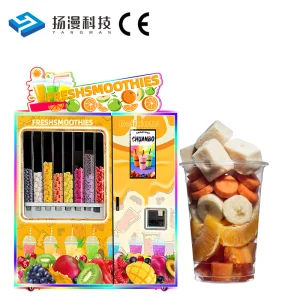
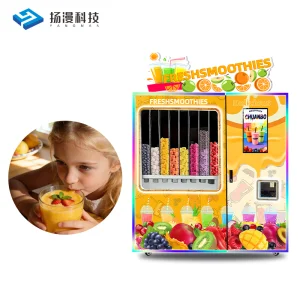
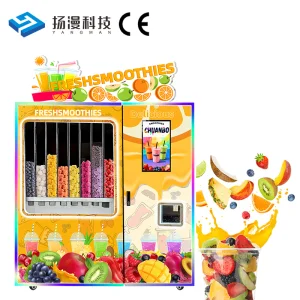
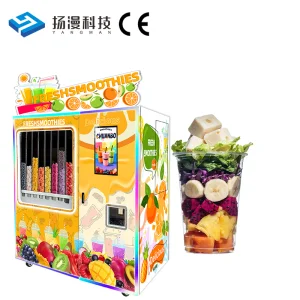
Selecting the right manufacturing partner is crucial when purchasing a fleet of automated kiosks. To ensure long-term reliability and compliance, buyers should prioritize several key factors:
Confirm the manufacturer holds international electrical and sanitation certifications, including CE, RoHS, and UL approvals. For food-safety equipment, verify the internal piping, blenders, and storage bins comply with FDA or NSF standards to ensure safety and simplify regional inspections.
A reliable telemetry system is vital. Your partner must provide an SDK/API integration options to link the vending machines with your backend inventory management, custom apps, or ERP databases, allowing you to track inventory levels and sales in real time.
Additionally, check the maintenance requirements. High-quality systems feature quick-access components, self-cleaning blend cups, and durable blades that simplify daily upkeep. Partnering with a manufacturer that provides reliable tech support and spare parts reduces downtime and helps ensure steady revenue.
Get answers to common technical and operational questions about importing, installing, and managing commercial smoothie vending kiosks.