Imler
Imler
Imler
Imler
Analyzing the macro transition of traditional food concession systems into unmanned, high-ROI robotic terminals.
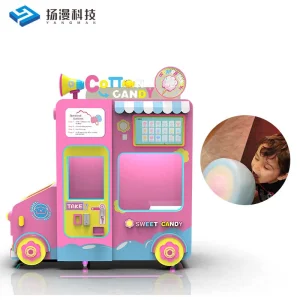
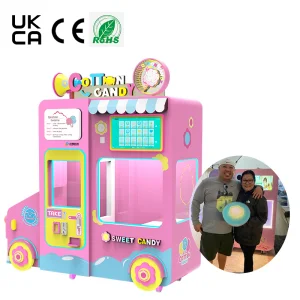
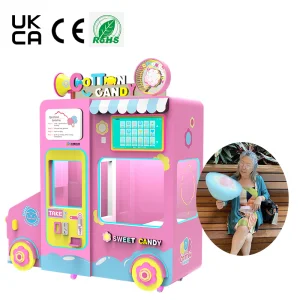
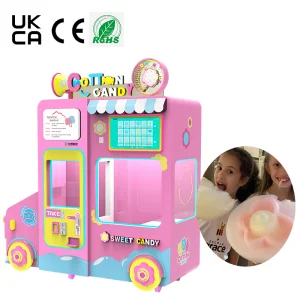
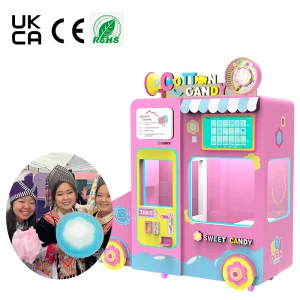
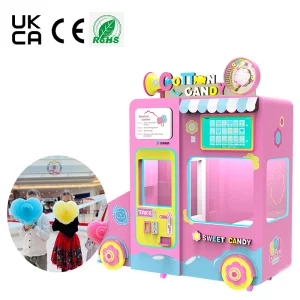
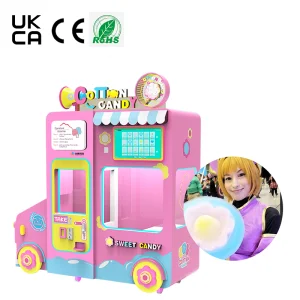
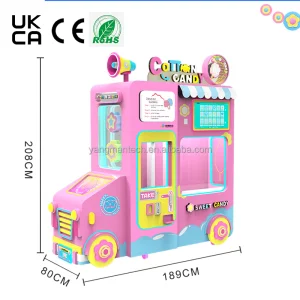
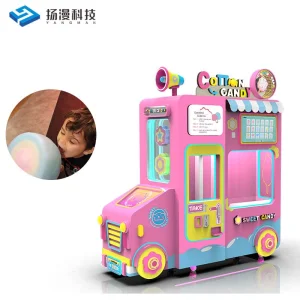
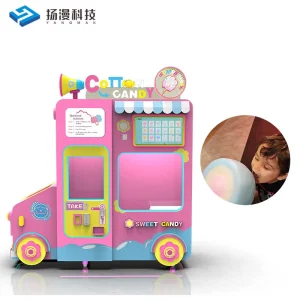
The global retail and entertainment landscape is undergoing a structural transition. Rapid escalation of labor costs, coupled with a growing demand for contactless transactional experiences, has catalyzed a paradigm shift toward advanced automated machinery. Confectionery vending, historically reliant on manual labor and high operational overhead, is leading this disruption. The Cotton Candy Vending Machine Model-730 represents the apex of this evolution, fusing automated industrial kinematics with consumer-facing IoT technology.
By shifting from human-dependent service stands to robotic micro-retail centers, operators can bypass traditional leasing constraints, eliminate variable shifts, and secure 24/7 revenue flows. Model-730 translates complex food preparation arts into robust mechanical procedures, executing with extreme precision and constant uptime.
For global entertainment networks, multi-location amusement park groups, and large-scale shopping center operators, consistency is paramount. Model-730 establishes a uniform brand standard across geographically dispersed locations.
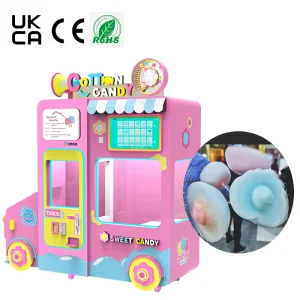
At the core of the Model-730 is a high-speed multi-axis robotic arm designed to replicate the intricate, layers-based construction of cotton candy. Operating under a closed-loop control system, the arm works in perfect synchronization with a high-torque heating head. This synergy ensures precise dimensional accuracy when crafting complex, multi-tiered flower patterns and volumetric spheres.
Uses precision thermistors and real-time feedback loops to stabilize the heating element, mitigating caramelization and ensuring continuous, ultra-fine sugar fiber extraction.
An integrated HVAC module regulates humidity levels within the production chamber, preventing structural degradation of sugar creations in high-moisture environments.
Features localized steam and water jets that auto-rinse the sugar nozzle and collector assembly after set cycle counts, maintaining compliance with hygiene standards.
| System Component / Spec | Technical Parameter (Model-730 Standard) | Operational Functionality |
|---|---|---|
| Robotic Kinematics | Dual-axis, high-speed stepper motor drive | Precise, real-time mapping for complex confectionery geometry |
| Chamber Ingress Protection | IP54 rated workspace enclosure | Prevents entry of dust and external pollutants into food prep zones |
| Visual Interaction System | 21.5" capacitive dynamic touchscreen LCD | User-friendly pattern selection and interactive media playback |
| Raw Ingredient Capacity | 4 sugar canisters (2.5 kg capacity per unit) | Supports multi-color designs, reducing refill frequency |
| Telemetry & Communication | 4G LTE / Dual-Band Wi-Fi / RJ45 Ethernet | Facilitates continuous cloud reporting and remote maintenance alerts |
The commercial expansion of robotic micro-retail systems is accelerating across key metropolitan areas worldwide. Urban locations with high foot traffic—such as transport interchanges, retail complexes, and family entertainment zones—experience high volume demands that manual kiosks cannot efficiently meet. The Model-730 addresses this gap by offering a fully autonomous transaction-to-delivery model, cutting down service time to less than 90 seconds.
Traditional retail models often struggle with high operational costs and low space efficiency. The Model-730 helps optimize margins:
The demand for interactive, experiential retail is growing, especially among Gen Z and millennial demographics. The Model-730 provides both a product and a visual experience, encouraging social sharing and repeat visits.
Operating automated food systems internationally requires strict compliance with diverse regional standards. As an experienced manufacturer, our products are engineered to meet global safety, hygiene, and electronic requirements.
Fully compliant with European CE directives, UL standards for electronic systems, and regional electrical safety requirements. The internal wiring is double-insulated, utilizing high-grade electromagnetic relays to prevent voltage overloads.
All internal components in direct contact with food ingredients are made from premium materials like SUS304 stainless steel and food-grade PTFE/silicone, meeting FDA, LFGB, and general sanitary standards.
Supports global payment integration through standard MDB protocols. Compatible with popular electronic payment systems, credit card terminals (Nayax, Ingenico), mobile payments, and local cash acceptors.
The Model-730 is designed for high performance across a wide range of commercial environments, offering custom features tailored to each setting:
Designed to handle peak crowds. The high throughput rate minimizes wait times, and the weather-resistant exterior is built for outdoor placements with protective canopies.
Blends easily into contemporary mall hallways. Operates quietly with subtle internal LED lighting that draws in foot traffic without disrupting the surrounding retail atmosphere.
Perfect for airports and train stations. Provides a fast, self-serve treat for travelers. The cloud-monitored alerts notify operators when sugar or sticks need replenishing.
Our research and development program focuses on continuous improvement and innovation. We are working on future system updates to bring even greater customization and sustainability to our product lines.
Integrating camera-based check systems to inspect cotton candy shapes in real time, automatically adjusting the arm for shape consistency.
Switching to 100% biodegradable paper sticks and eco-friendly packaging materials to help operators meet sustainability goals.
Adding standby power modes and dynamic heating control to reduce total energy consumption during low-traffic periods.
Find answers to key technical, operational, and commercial questions regarding the Model-730.