Imler
Imler
Imler
Imler
Busan, the second-largest metropolis in South Korea and its primary economic logistics gateway, has transformed into a focal point for automated, unmanned micro-retail services. Fueled by high density tourist corridors such as Haeundae Beach, Gwangalli Beach, and the massive retail complexes of Centum City (including the world's largest department store, Shinsegae Centum City), the demand for interactive commercial kiosks has reached an all-time high.
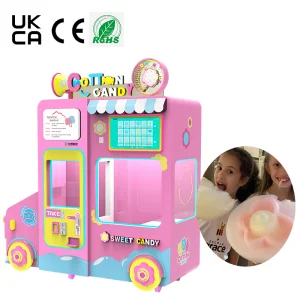
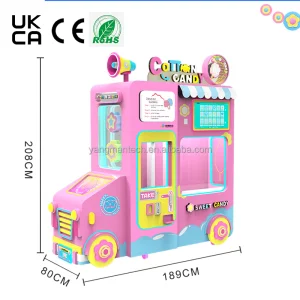
The Model-730 series represents the cutting edge of robotic food vending technology. Engineered specifically for urban public facilities, entertainment complexes, transit nodes, and high-occupancy malls, these machines integrate robotic arm mechanics with IoT monitoring. Operators in Busan benefit from a localized, cashless credit payment system compatibility, robust remote troubleshooting configurations, and specialized protective enclosures designed to mitigate sea-air coastal humidity.
Since 2016-07-19, our production centers have engineered and delivered advanced smart vending equipment globally, with customized setups supporting operators throughout South Korea.
Explore our high-performance Model-730 configurations optimized for Haeundae Beach, Centum City, and coastal tourism zones.
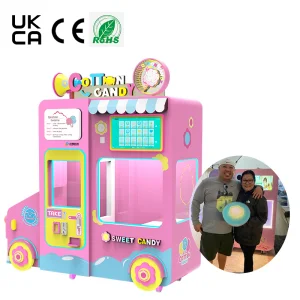
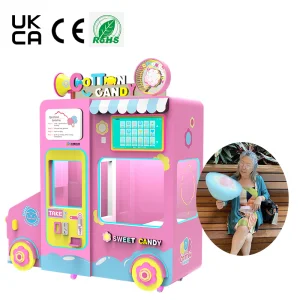
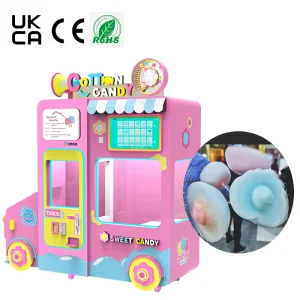
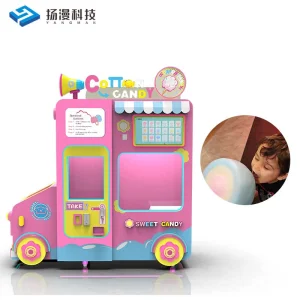
The Model-730 automatic smart retail unit leverages advanced mechatronic coordination to execute complex food preparation workflows without human intervention. Our systems are engineered to withstand continuous commercial duty cycles, providing high-output returns under various thermal and environmental stresses.
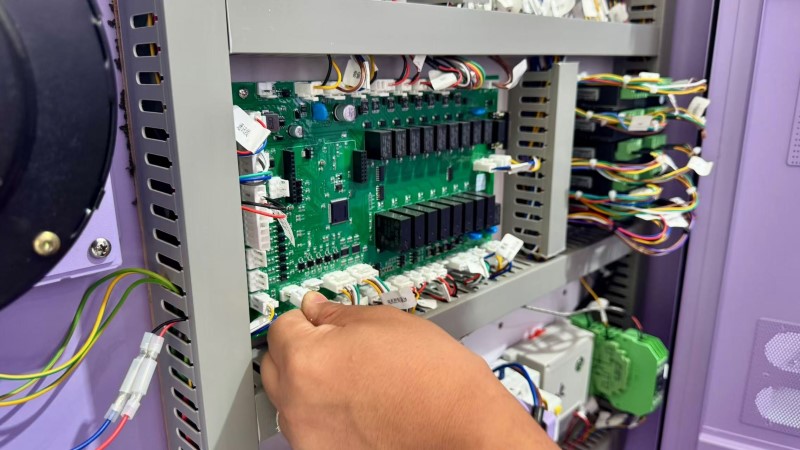
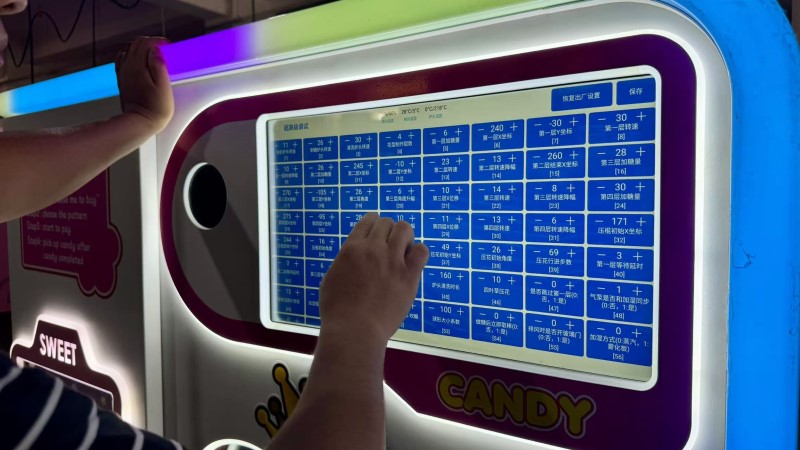
At the core of the Model-730 is a high-speed, multi-axis robotic assembly engineered using dual-axis linear actuators. Driven by reliable step-servo motors with closed-loop optical feedback systems, the robot coordinates positional maneuvers down to ±0.2mm tolerances. This level of precision is necessary to wrap complex three-dimensional cotton candy structures—ranging from classic flowers to layered shapes—without mechanical slippage or sugar deposition failures.
To ensure consistent caramelization and extrusion of sugar fibers, the heating assembly integrates a PID (Proportional-Integral-Derivative) temperature control algorithm. Real-time temperature sensors dynamically adjust the power cycle to maintain the heating element at optimal thresholds. In seaside urban environments like Busan, where humidity fluctuates and salty air presents risk, our burner chambers utilize corrosion-resistant SUS304 food-grade stainless steel, preventing oxidation and carbonized residue buildup.
The Model-730 features full compliance with Multi-Drop Bus (MDB) vending protocols, allowing native integration of Korea-specific payment terminals (such as credit card readers, T-Money, KakaoPay, and NaverPay). An internal LTE/5G industrial gateway communicates telemetry data to our proprietary cloud portal, enabling operators to remotely monitor inventory depletion, burner temperatures, sales metrics, and diagnostics.
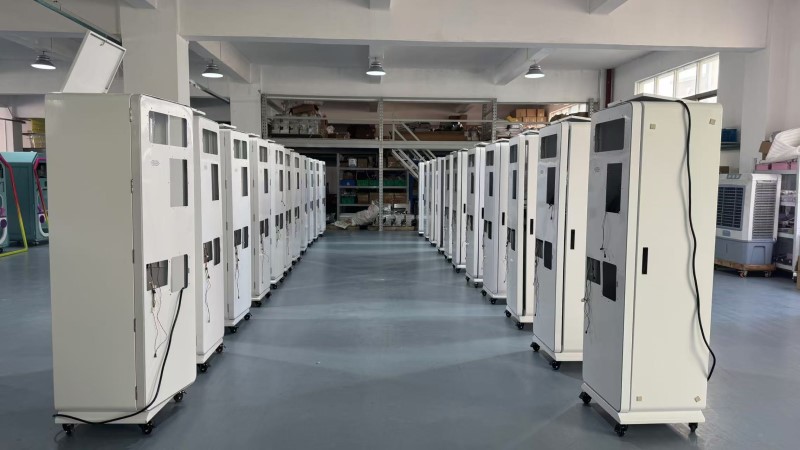
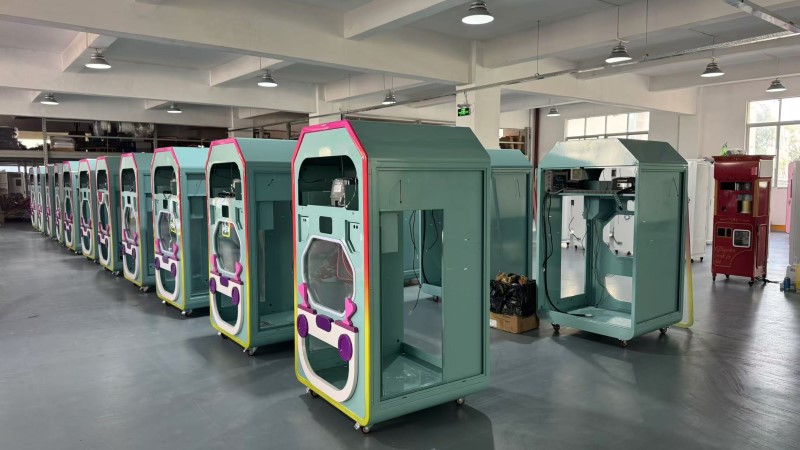
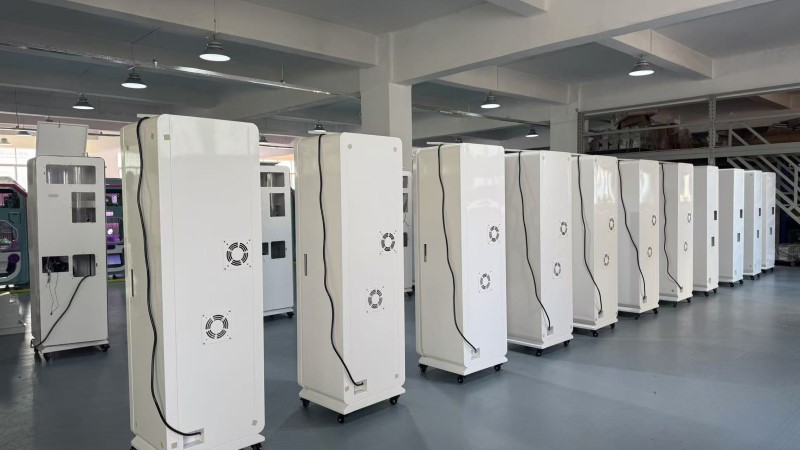
Our state-of-the-art 1,890 square meter manufacturing facility features 5 high-efficiency assembly lines and 25 advanced production machines. Since our establishment on 2016-07-19, we have prioritized localized material procurement pipelines, allowing us to source and construct high-durability frames, automated drive belts, and sensor arrays at lower baseline costs without sacrificing quality control.
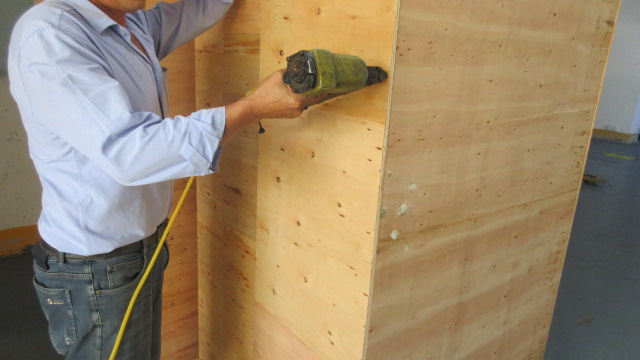
For Busan importers, this manufacturing model guarantees short lead times and highly customizable layouts (OEM/ODM). Operating with professional engineers and QA specialists, every Model-730 undergoes a rigorous 72-hour stress-test before shipment, ensuring plug-and-play operability upon arrival at Busan port terminal.
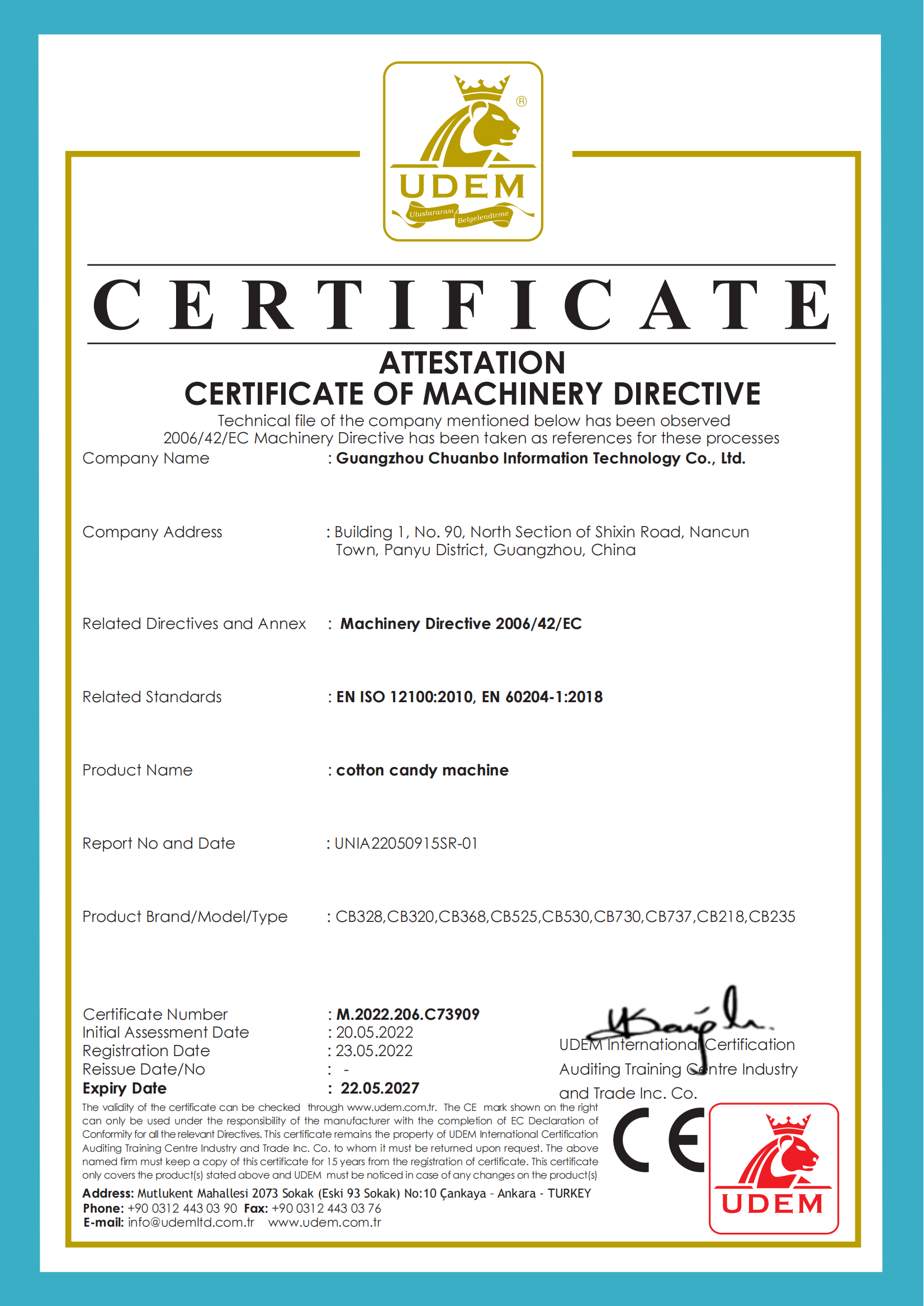
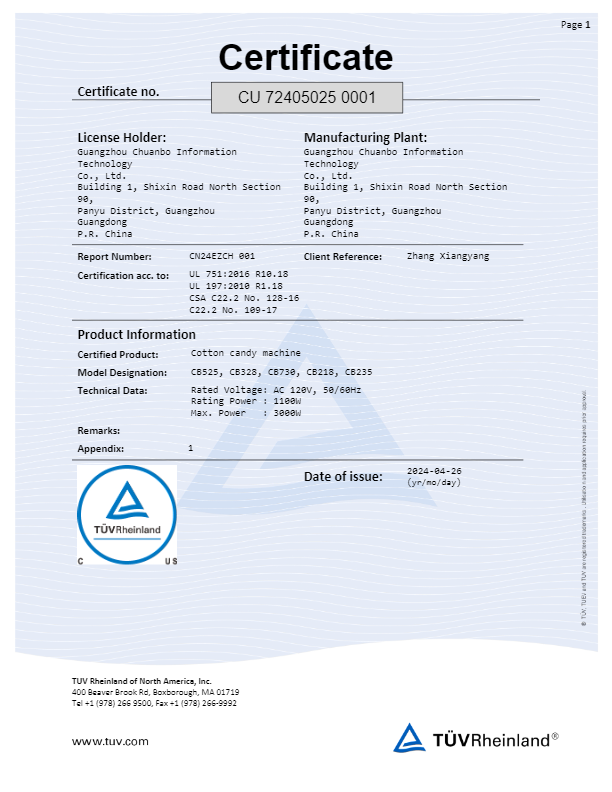
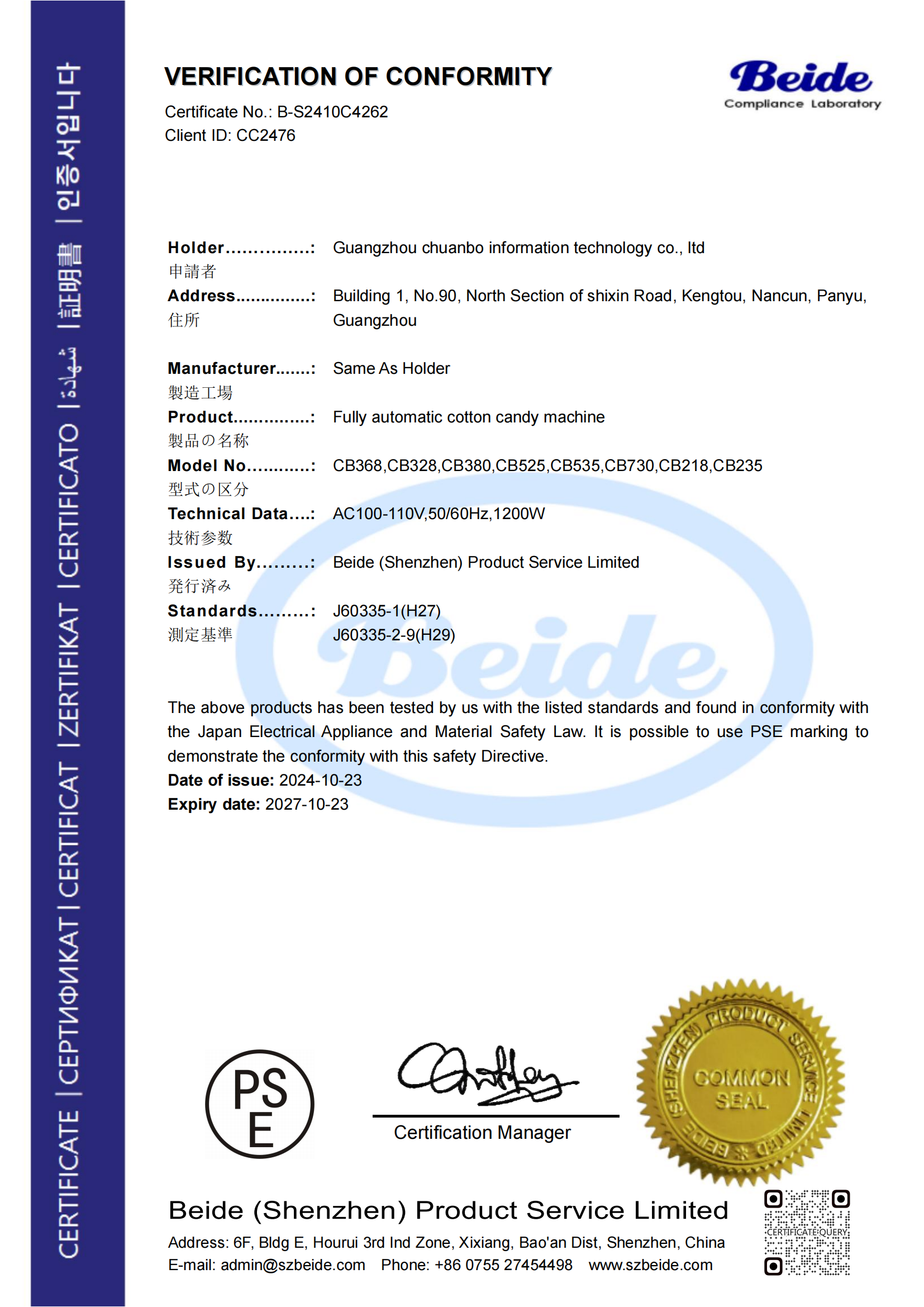
Our machinery complies with strict regulatory requirements across leading international and domestic markets.
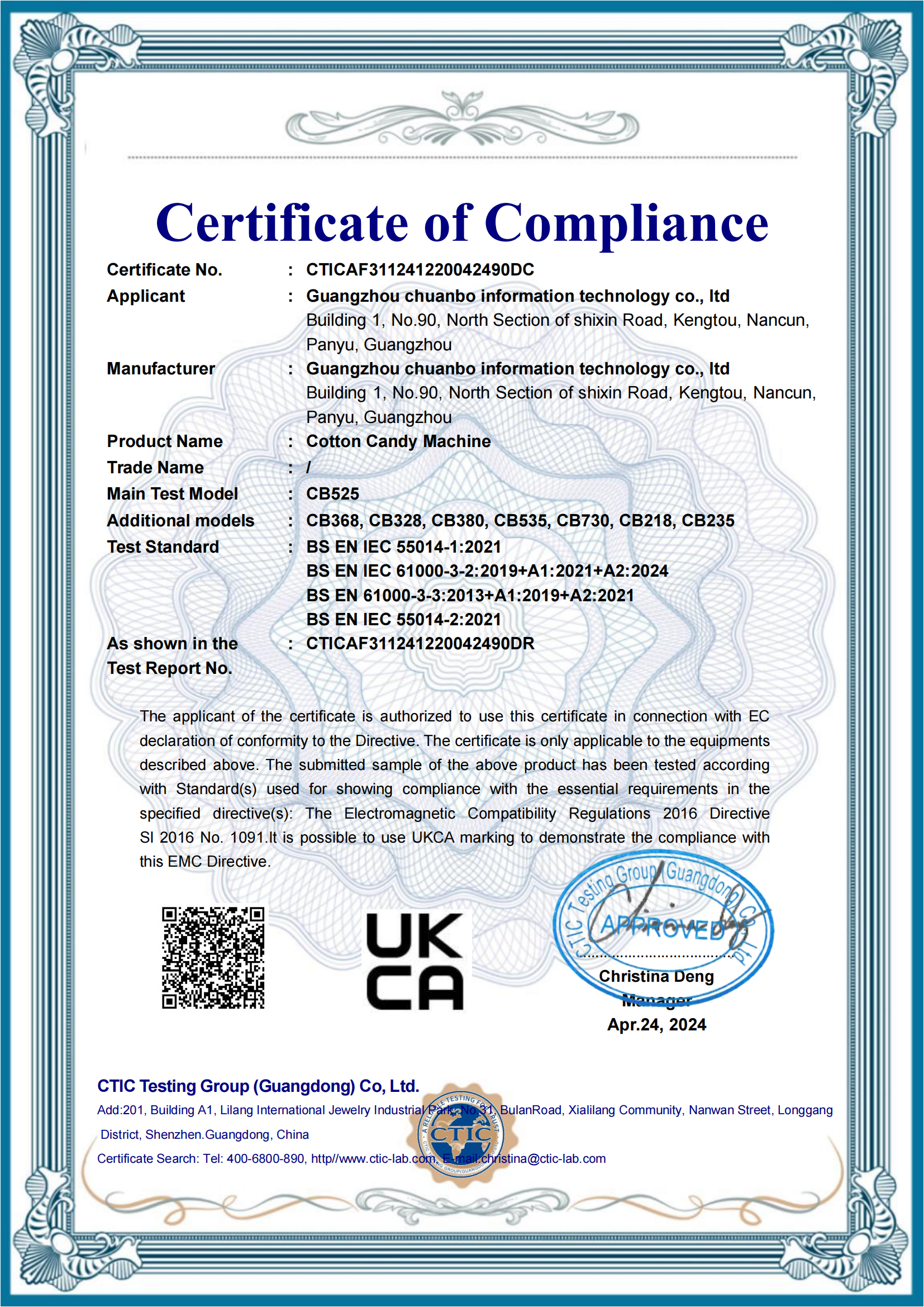
Premium robotic cotton candy kiosks customized for South Korean payment gateways, transit points, and regional shopping venues.
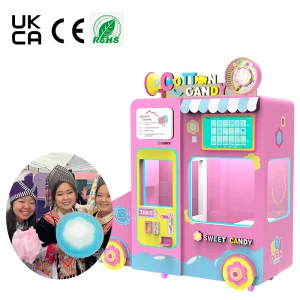
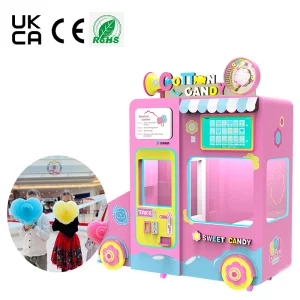
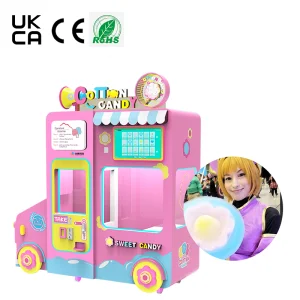
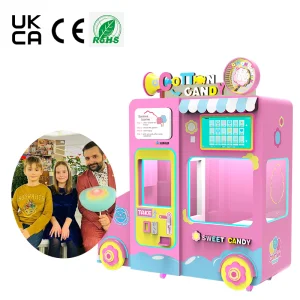
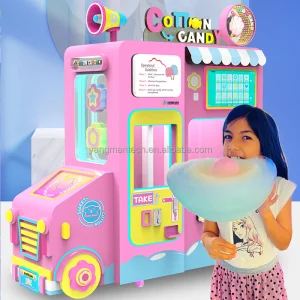
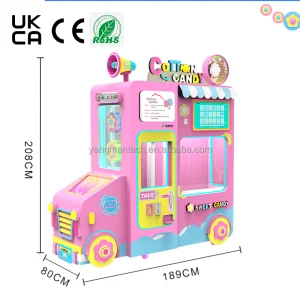
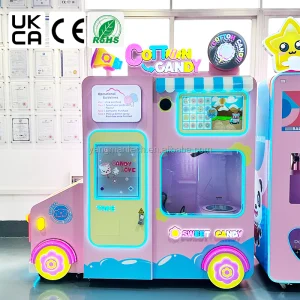
Heavy-duty systems optimized for regional distributors, bulk wholesalers, and high-frequency amusement parks.
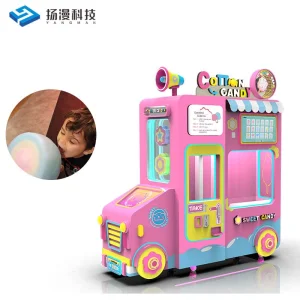
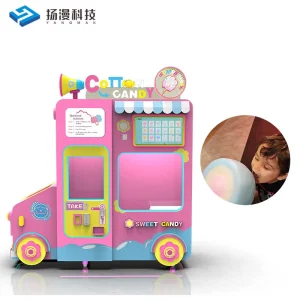
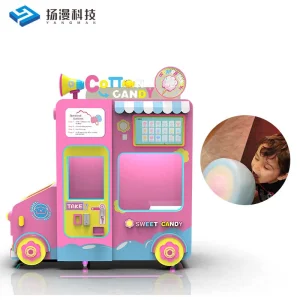
Operating robotic cotton candy confection systems in coastal settings like Busan requires robust design provisions to protect internal mechanical components from harsh maritime environments.
Sugar is highly hygroscopic, meaning it absorbs moisture from ambient air. At relative humidity levels exceeding 60% (common in Busan ports and boardwalks), sugar crystals clump, causing standard dispensing nozzles to clog. The Model-730 counters this with an internal closed-loop dehumidification system. Working alongside automated physical baffles, the system maintains relative humidity inside the preparation cabinet below 35%, ensuring reliable production regardless of external coastal weather conditions.
Salty sea air can accelerate electrical short circuits and oxidize metal gears. The Model-730 features structural steel frames protected by electrostatic powder coatings. Component enclosures, electronic control modules, and mechatronic joints are sealed against seawater spray and coastal air currents, reducing wear and prolonging the machine's operational lifespan.
Expert answers addressing the technical, regulatory, and financial aspects of operating automated retail kiosks in Busan.
The Model-730 integrates an automatic climate controller that manages temperature and relative humidity inside the preparation dome. Air entering the compartment passes through a dehumidifier, keeping internal humidity under 35%. This prevents sugar crystallization, keeping the spinning head clear and preventing operational shutdowns.
Yes. The machine supports MDB payment protocol standards, allowing operators to connect popular South Korean payment terminals. This enables transactions via local credit/debit cards, T-Money transit cards, and mobile payments like KakaoPay and NaverPay.
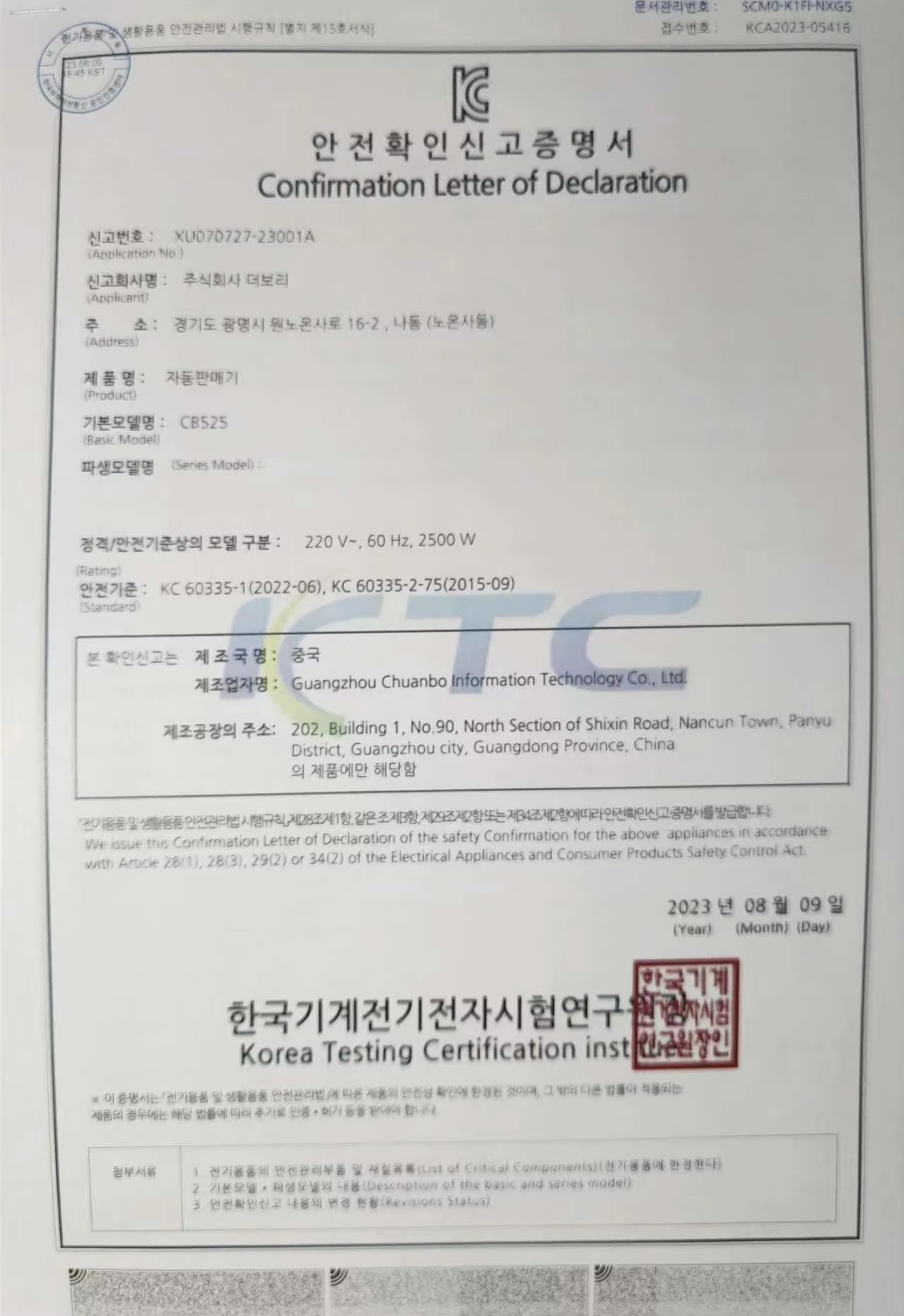
Our hardware platforms are certified under several international standards, including RoHS, UL, PSE, and CE. For the South Korean market, our configurations comply with KC safety standards (Certificate No: XU070727-23001A), meeting all local electrical and consumer safety guidelines.
The Model-730 utilizes food-grade SUS304 stainless steel in all food-contact zones and features an automated hot water cleaning cycle. This cycle runs at scheduled intervals to clean the burner head and minimize sugar buildup. Routine maintenance tasks are simple, involving replenishing water tanks and emptying wastewater containers, which operators can monitor remotely via our web portal.
Standard production takes 14 to 20 business days from order confirmation, followed by transit from our manufacturing site to Busan Port (typically 3 to 7 shipping days). This efficient shipping timeline allows operators to deploy units quickly ahead of seasonal tourism surges.
Get in touch with our product team today to discuss bulk pricing, OEM/ODM customizations, and payment terminal integration details.