Imler
Imler
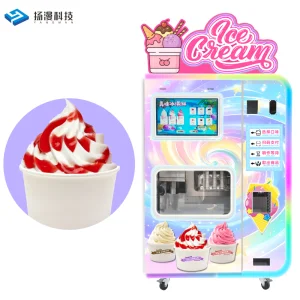
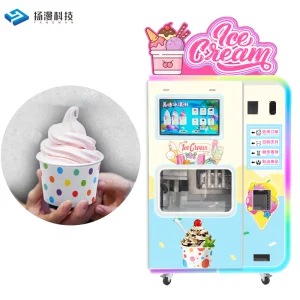
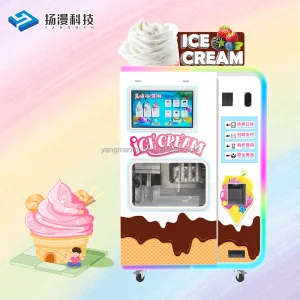
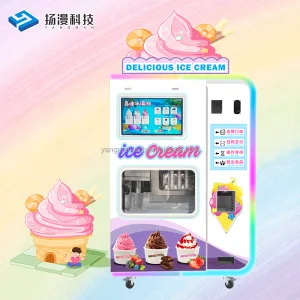
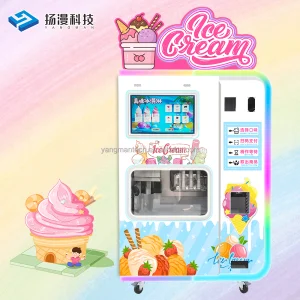
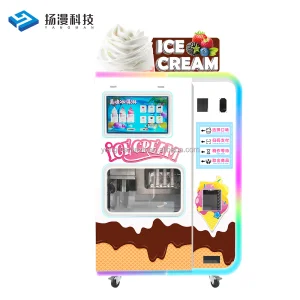
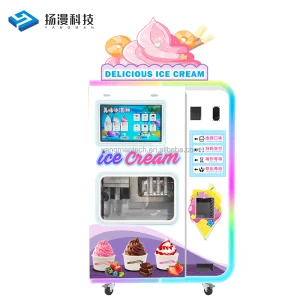
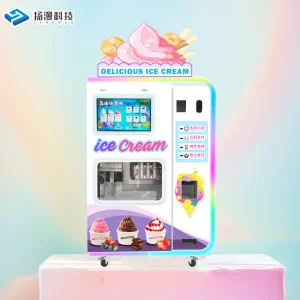
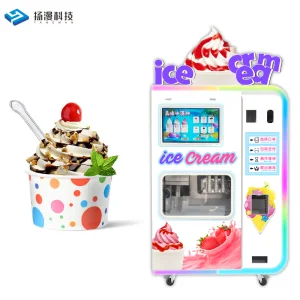
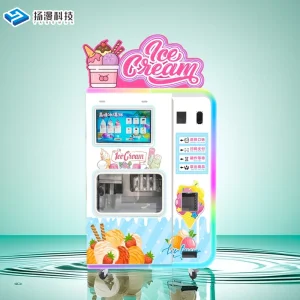
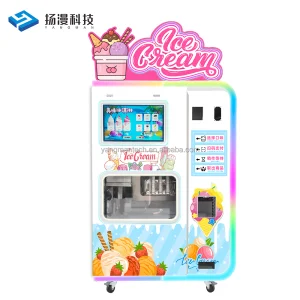
These four models are presented first for rapid commercial evaluation. They cover multi-flavor automatic soft ice cream, 24-hour self-service, intelligent touchscreen production and OEM-style business deployment. For Novosibirsk, the practical assessment should compare payment integration, indoor siting needs, maintenance access, Russian-language interface requirements and spare-part planning—not only the initial machine price.
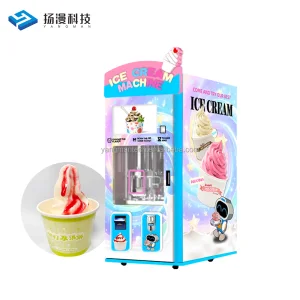
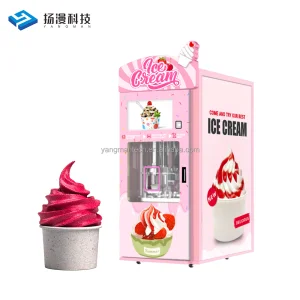
The query “Ice Cream Vending Machine Manufacturers & Manufacturer serving Novosibirsk” combines several intent layers. One buyer may be looking for a factory, another may be comparing OEM customization, a third may need CE or CB documentation, and a fourth may be an entrepreneur calculating a route into unattended retail. A useful answer must connect the machine portfolio to local operating conditions and to verifiable production evidence.
Semantic search rewards content that answers the unsaid questions behind the keyword. A manufacturer serving Novosibirsk is not simply a supplier that ships hardware. The real requirement is a commercially deployable system: stable refrigeration, intuitive self-service software, locally accepted payment modules, hygienic mix handling, documentation for customs and compliance, spare parts, remote support and a realistic model for cleaning and replenishment. For that reason, this guide does not treat vending machines as isolated boxes. It treats them as small automated retail assets embedded in heated malls, universities, transport hubs, hospitals, leisure venues and office complexes.
The product images and links below are retained from the supplied catalog. The company data, certification references, production figures, quality-control statements and trade background are also retained and reframed for procurement due diligence. Where the supplied profile does not disclose a value—such as annual export revenue or total annual output—the responsible approach is to confirm that information in writing during the quotation process rather than infer a number.
Novosibirsk is one of Russia’s most significant eastern economic centers and a natural reference market for Siberia. Its economy combines scientific research, higher education, engineering, financial services, logistics, trade and consumer services. For automated ice cream retail, the city offers a dense network of indoor destinations where footfall can be converted into self-service purchases without relying on permanent shop staff.
Shopping and entertainment centers, cinemas, family centers and mixed-use complexes create predictable indoor traffic across seasons. These locations reduce exposure to extreme winter conditions while enabling impulse purchases near dining zones, cinema exits and children’s activity areas.
Novosibirsk’s universities and research campuses, including the Akademgorodok environment, support a young, tech-comfortable audience. Self-service machines with clear digital interfaces, fast payment and consistent product quality can fit campus buildings, canteens, libraries and research institutes.
As a major Siberian transport gateway, Novosibirsk receives business travelers and tourists. Airports, railway stations and travel-oriented retail benefit from compact, rapid-service equipment, but installations must respect security rules, power access, cleaning schedules and local payment expectations.
Modern operators should treat bank cards, mobile wallets and QR payment as primary revenue channels, with coin and banknote modules as optional support. Local acquiring, fiscal reporting and Russian-language prompts should be validated with the operator’s finance and legal team.
Long Siberian winters require careful site selection. Most machines should be installed in heated interiors. For outdoor or semi-outdoor activities, insulation, ventilation, power protection, anti-condensation measures and remote temperature alerts must be engineered and agreed in writing.
Novosibirsk is far from many European distribution hubs. Importers should plan export packaging, rail or road routing, customs documents, installation kits and a spare-parts buffer. The total landed cost and time-to-revenue matter more than the lowest ex-factory quote.
These conditions make Novosibirsk suitable for a phased deployment model: begin with one or two high-footfall indoor sites, measure product mix, payment distribution, average transaction time, cleaning labor and technical incidents, then expand to a cluster of locations with standardized consumables and service routines.
China’s vending and refrigeration supply chain offers broad component availability, fast iteration and export experience across North America, South America and Eastern Europe. For Novosibirsk buyers, the advantage is strongest when the factory can combine product variety with documentation, export packaging and honest specification control.
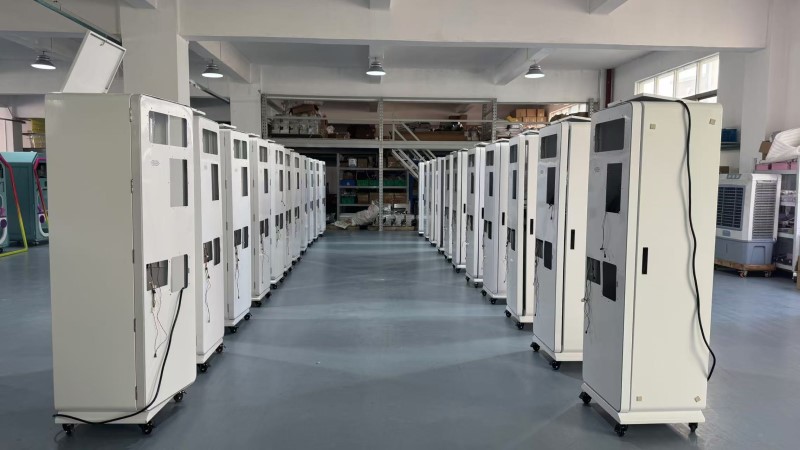
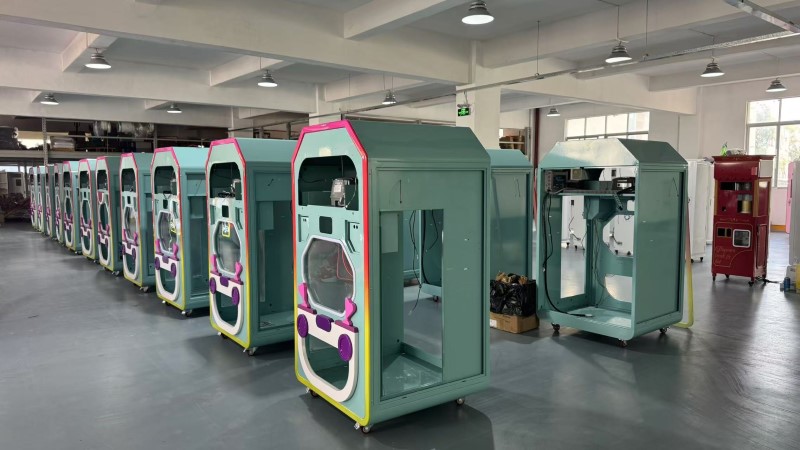
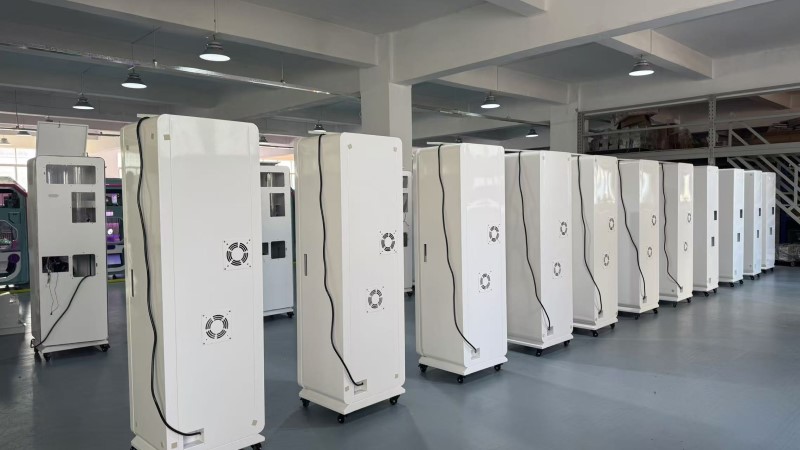
The supplied profile shows 1,890 m² of floor space, 5 production lines and 25 production machines. This kind of configuration supports repeatable assembly and allows buyers to discuss sourcing changes, service kits and model variants with a real production context.
Product options range from multi-flavor automatic soft ice cream machines to 24-hour self-service systems, snow ice machines, fresh-fruit concepts, outdoor robots and coin/card payment models. This lets an operator build a portfolio for malls, campuses, tourist sites and seasonal projects.
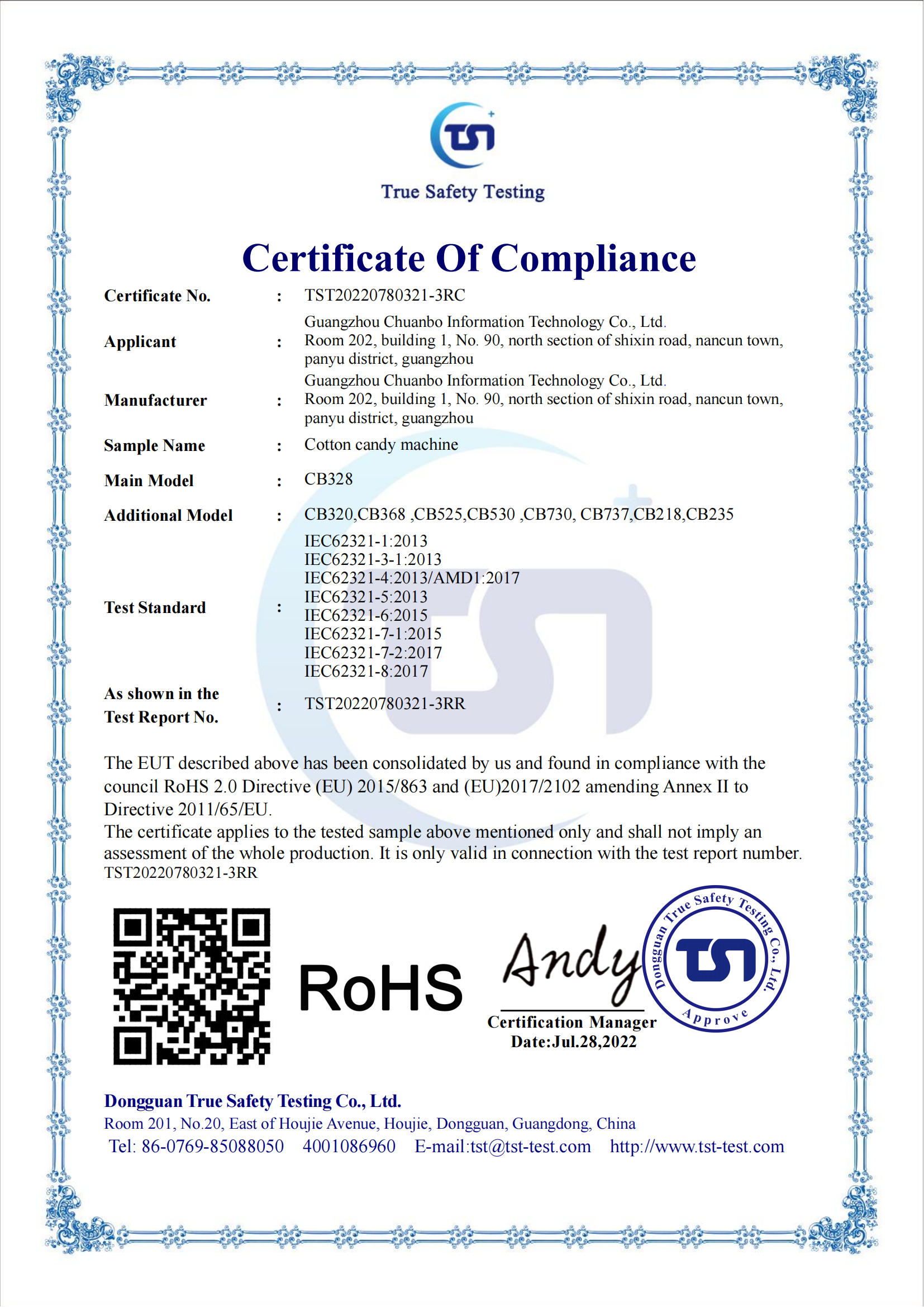
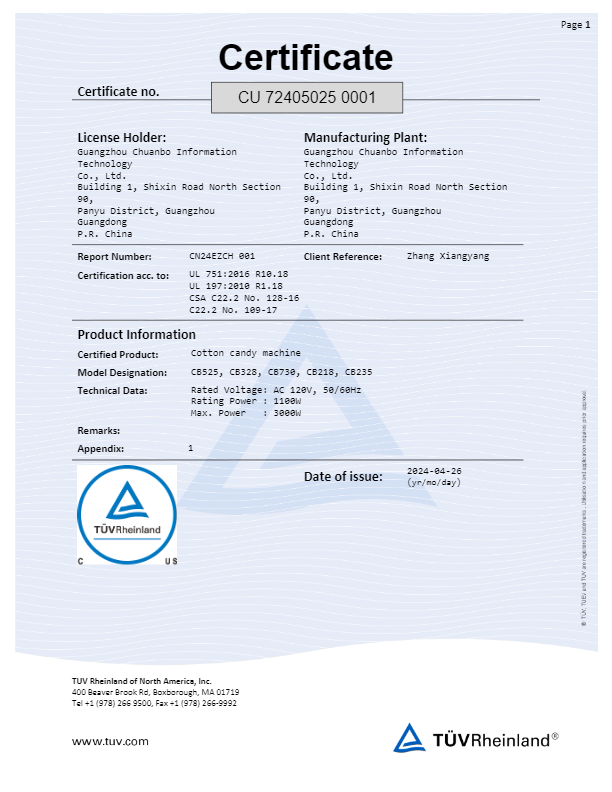
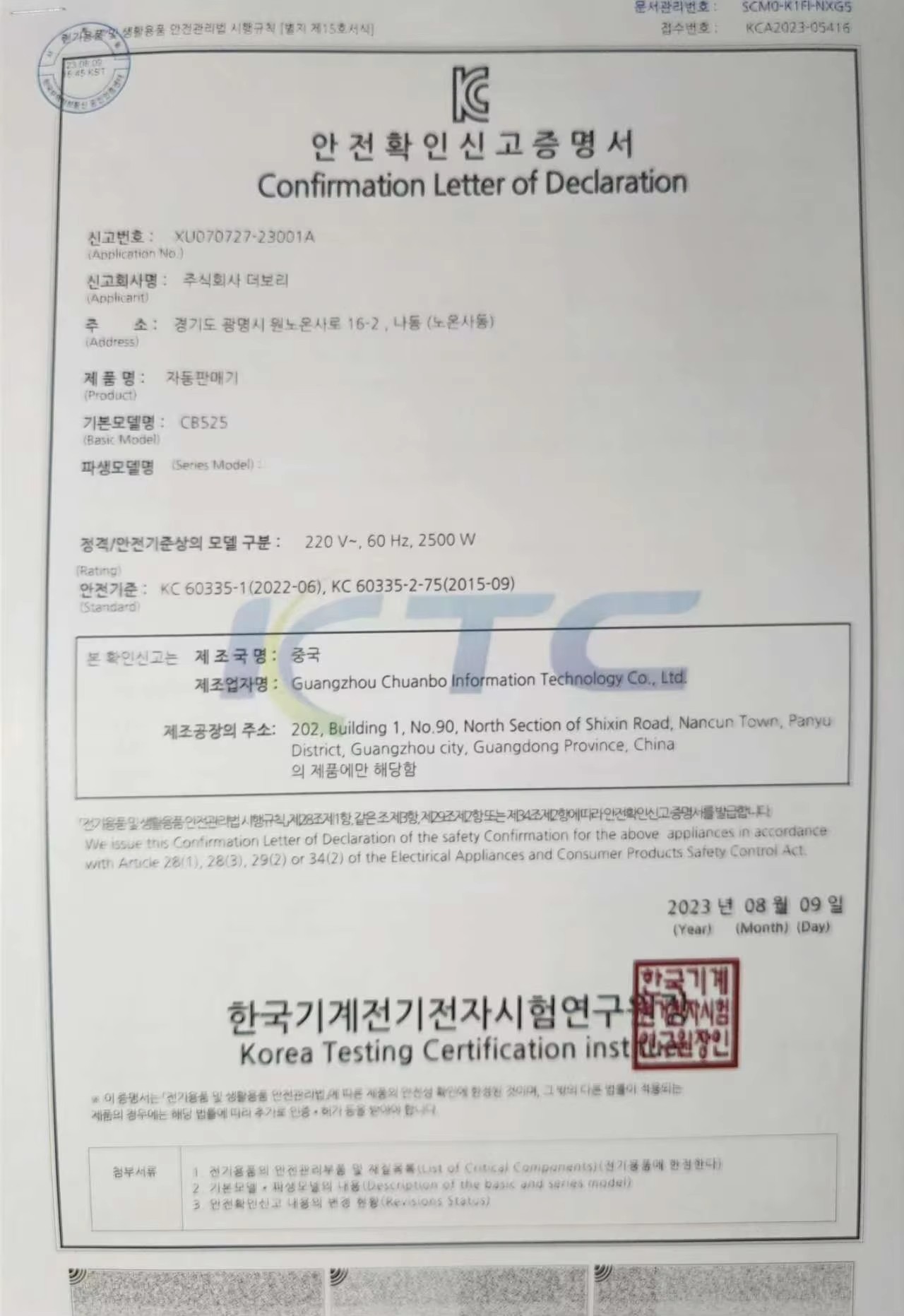
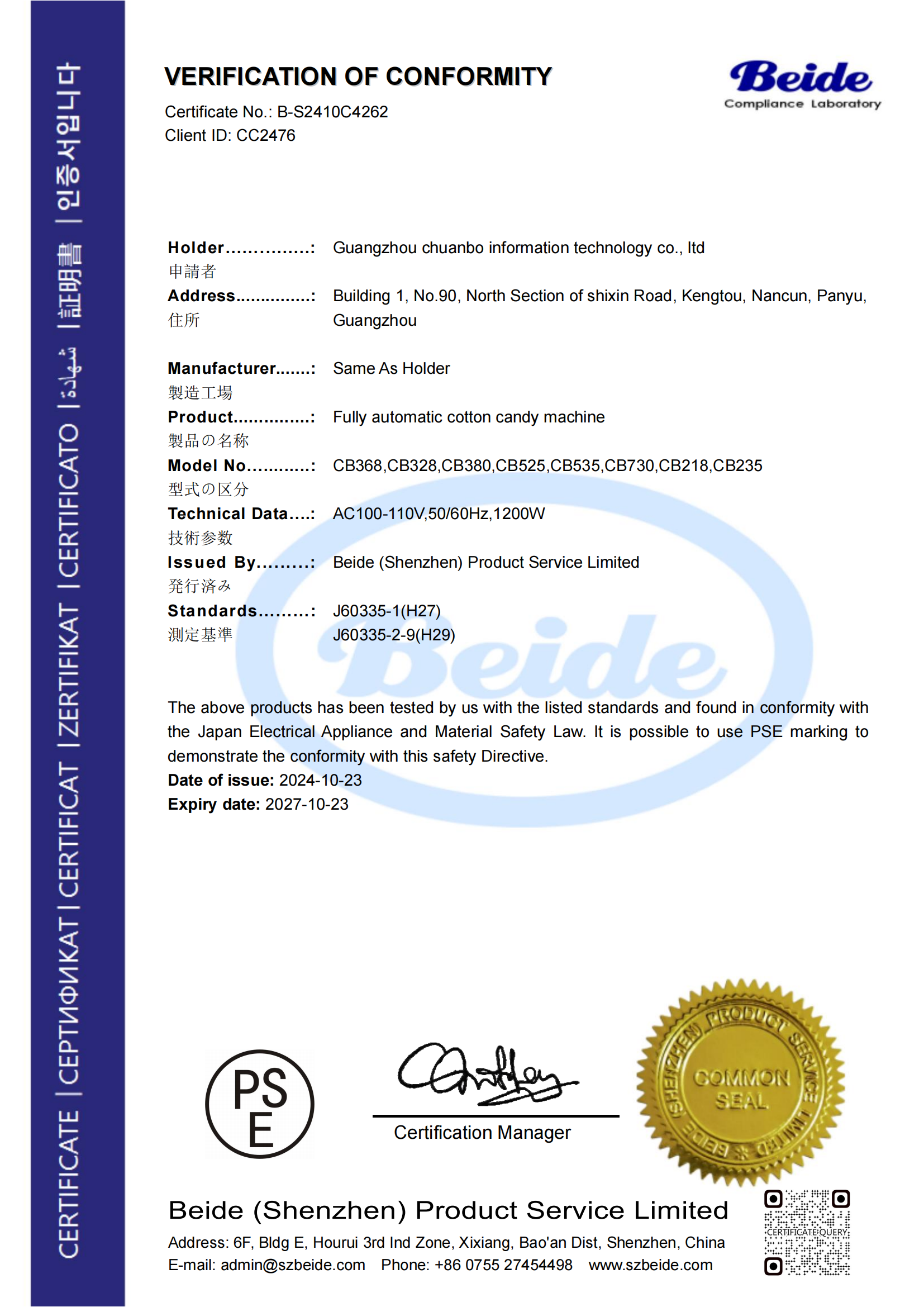
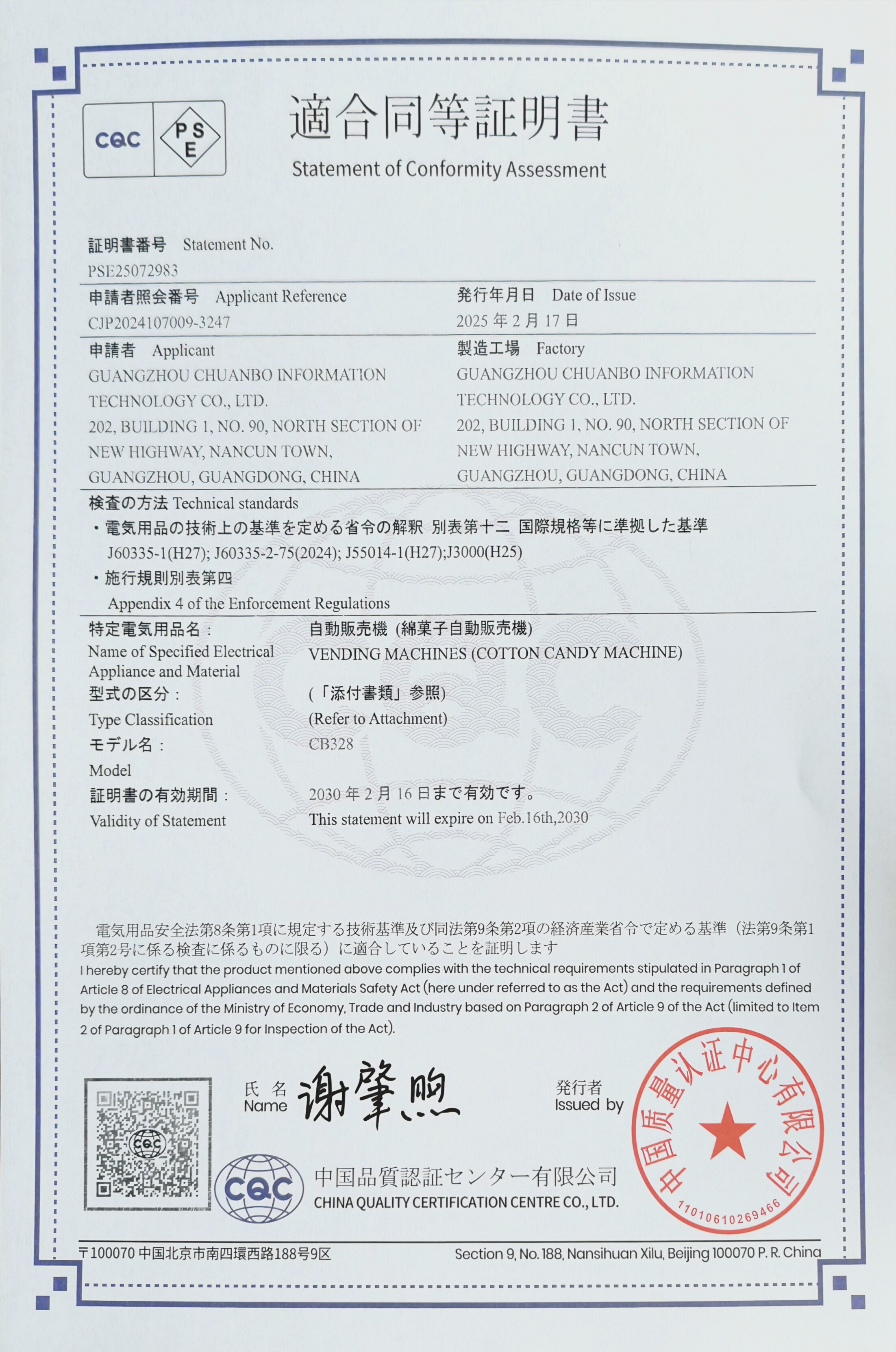
The profile lists RoHS, UL, KC, PSE, UKCA, CE and CB references. For Novosibirsk, these should be treated as starting evidence, not a substitute for destination-specific import advice. Buyers should also confirm EAC-related requirements, customs documentation and local payment compliance.
According to the supplied data, 15 new products were launched in the last year with 1 R&D engineer and 1 graduate-level R&D engineer education profile. Buyers should request the specific software version, hardware BOM and test record for the exact model they intend to import.
Main markets are listed as North America 25%, South America 16% and Eastern Europe 15%. Eastern European exposure matters for Novosibirsk because it suggests familiarity with cross-border documentation, international packing and voltage or plug variants—though each project still needs written confirmation.
The profile states that quality control is conducted on all production lines, inspection follows the client’s requirement, and 1 QA/QC inspector is engaged. The profile also states raw-material traceability support is “No” and customization options are “no,” so buyers should strengthen incoming inspection, change-control and sample-approval terms.
The next four systems help buyers compare specialization. A coin-operated self-service machine can serve basic unattended retail, a snow ice cream maker fits shopping-mall variety, a fresh-fruit robot supports premium positioning, and a tourist-attraction model targets high-visibility leisure destinations. Each link preserves the original product URL for direct inquiry.
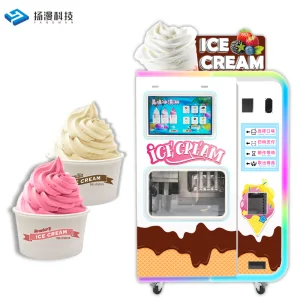
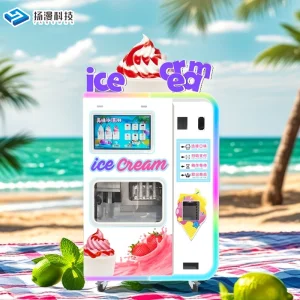
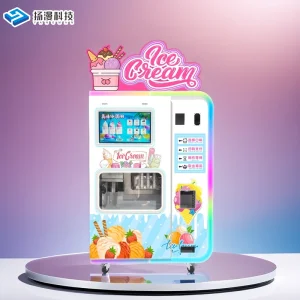
Malls can place robots near food courts, cinema lobbies and children’s zones. Operators should model peak weekend demand, ticket time, cleaning intervals and replenishment access. A touchscreen machine with multiple flavors can increase average basket size and create a visible novelty factor for families.
Student and staff communities value quick, app-friendly service. Campus deployments should align with building access rules, vacation cycles and local payment habits. Remote monitoring helps avoid stock-outs during exam periods and reduces unnecessary service visits.
Airports, railway stations and central transit areas require fast transactions and clear instructions. Because dwell time may be short, a simple UI, reliable card/QR acceptance and visible product imagery are more important than a long menu. All electrical and floor-space requirements should be confirmed with facility management.
Healthcare and family venues can use vending for convenience, but hygiene and noise control are critical. A machine placed near a cafeteria or waiting zone should support easy cleaning, drip containment and clear allergen communication. Staff workflows must be defined before installation.
Business parks and industrial facilities can use automated ice cream as a low-labor employee amenity. Operators should estimate shift patterns, seasonal demand and after-hours access. A 24-hour self-service system with telemetry is more useful here than a high-decorative unit with limited reporting.
Novosibirsk’s warm-season events, parks and tourist activities may justify movable units. However, outdoor operation should not be assumed from a product name alone. Buyers need written confirmation of ambient temperature range, enclosure protection, power quality, ventilation and service access for the exact operating profile.
Card, QR and mobile payment expectations continue to rise. For Novosibirsk, the operator should confirm acquiring partners, fiscalization, refund logic, settlement reporting and offline behavior. Coin and banknote modules can remain as backup, but they should not be the only revenue path.
Modern machines generate valuable data: sales by flavor, payment success rate, temperature alarms, door opens, cleaning events and fault codes. AI-assisted replenishment and preventive maintenance can reduce downtime, but buyers should require data export, API clarity and ownership terms.
Siberian transport and storage conditions demand robust packaging and condensation control. Receiving teams should inspect for transit damage, allow the machine to stabilize before power-on, and follow manufacturer instructions for ambient temperature, ventilation clearances and water/mix handling.
Multi-flavor soft serve, snow ice and fruit-based concepts help operators move beyond price competition. The contract should specify recipe approval, consumable compatibility, cleaning time and changeover procedures so that variety does not become a hidden labor cost.
Hygiene routines are a daily operating requirement, not a brochure feature. Ask for cleaning-access diagrams, food-contact material declarations and recommended sanitization intervals. Energy consumption and heat rejection also matter in enclosed mall or corridor locations.
The winning bid should compare total landed cost, installation, training, payment integration, spare parts, service response and expected uptime. A cheap machine with weak documentation can become expensive after customs, downtime or repeated service visits.
Map footfall by hour, dwell time, age mix, competing dessert supply and power access. For each site, define the target transaction time and the minimum daily sales threshold required to justify replenishment and cleaning labor.
Confirm voltage, socket type, earthing, ventilation clearance, floor leveling and cleaning access. If mix or water is stored on site, define handling, temperature control and spill response. Keep the service route free of obstacles.
Select acquiring and fiscal solutions before the machine is shipped. Specify Russian-language screens, product images, price display, refund rules and offline fallback. Payment integration should be tested with the actual operator account, not only a demo terminal.
Define approved mix suppliers, storage temperature, shelf life, delivery frequency and emergency substitution. Train staff to record batch data and cleaning logs. A machine is only as reliable as the consumable chain behind it.
Require remote alarms for temperature, payment failure, stock depletion and mechanical faults. Agree first-response times, local technician responsibilities, spare-parts ownership and escalation contacts. Documentation should be available in English and, where needed, Russian.
Coordinate import classification, EAC-related compliance questions, customs paperwork, warranty terms and after-sales parts. Keep a critical spares kit on site for high-wear components. The buyer should also verify software licensing and data ownership.
Match the quotation, bank account, invoice and certification holder to the actual manufacturer. Request a factory video walk-through, production-line photos and the exact model BOM. The supplied profile is useful, but formal due diligence remains essential.
CE, UL, RoHS, KC, PSE, UKCA and CB references are shown in the profile. For Novosibirsk, ask which documents apply to the exact configuration and whether EAC-related conformity, local payment certification or customs declarations are needed for the chosen product and entity.
Confirm voltage, frequency, plug, power protection, operating ambient temperature, storage temperature, humidity and ventilation. Do not accept a generic “outdoor” label as proof of Siberian winter performance. Require a written operating envelope.
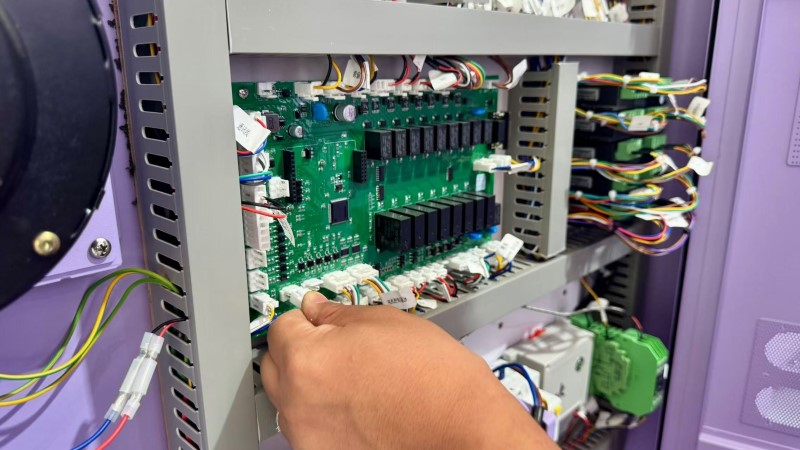
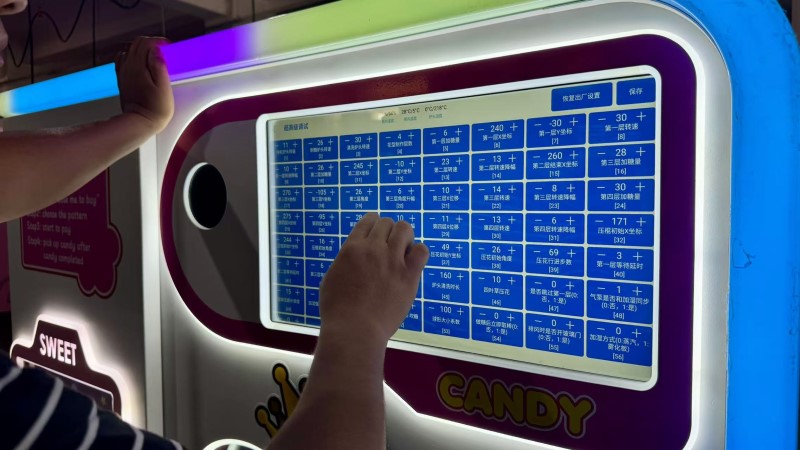
Test flavor production, touchscreen flow, payment simulation, cup/cone dispensing, cleaning cycle and fault recovery. Record a video and issue a signed pre-shipment checklist. This is especially important when the public profile lists customization options as “no.”
Include packaging, freight, insurance, duties, customs clearance, local delivery, installation, commissioning, training, payment integration, consumables and spare parts. A lower FOB price may lose its advantage after hidden localization costs.
Define warranty coverage, response time, remote diagnostics, spare-parts lead time and training. For Novosibirsk, consider a local technician or authorized service partner. The buyer should know exactly who repairs refrigeration, dispensing and payment faults.
The following profile data has been retained from the supplied company information and reorganized for procurement review. It should be read together with the product pages, certification references and factory images. Buyers should request updated legal-entity documents, model-specific test reports and warranty terms before issuing a purchase order.











Suitability depends on the exact site and model. Most soft-serve vending machines are best installed in heated indoor locations. For outdoor or semi-outdoor use, the buyer should request a written operating temperature range, enclosure protection details, anti-condensation measures, power protection and remote alarm capability. A product name alone is not sufficient evidence of Siberian winter performance.
The product descriptions include card, bill, banknote and coin payment options, but every market deployment needs local validation. For Novosibirsk, confirm acquiring support, QR or mobile payment options, fiscal reporting, Russian-language screens and offline behavior with the operator’s payment provider. Ask the manufacturer for an integration checklist before shipment.
The supplied profile lists RoHS, UL, KC, PSE, UKCA, CE and CB references, including certificate numbers. These are important export signals, but the buyer must verify that each certificate covers the exact model and configuration being imported. For Russia, also investigate EAC-related conformity and customs requirements through a qualified local consultant.
The product portfolio includes customized, OEM and ODM-style models. However, the company profile lists “Customization options: no.” This apparent inconsistency should be resolved in writing. Define the requested scope precisely—flavor count, branding, voltage, plug, language, payment module, telemetry and packaging—and require sample approval before mass production.
The profile states that quality control is conducted on all production lines and that inspection follows the client’s requirement. It also states 1 QA/QC inspector, no raw-material traceability support, 5 production lines and 25 production machines. Buyers should therefore add incoming inspection, pre-shipment testing, photo/video evidence and third-party inspection where appropriate.
No fixed answer is possible without the model, shipping route and payment scope. Calculate machine price, export packaging, freight, insurance, duties, customs clearance, local delivery, installation, payment integration, training, spare parts and consumables. Compare that total with expected daily transactions, ticket size, labor and service costs.
Start with a model-specific spare-parts list, remote diagnostics plan and local service contact. Keep high-wear parts available near the site. Define cleaning intervals, water or mix handling procedures and fault-escalation steps. For multi-site Novosibirsk rollouts, standardize components and reporting across the fleet to reduce training time.
Some catalog models are described as outdoor or tourist-attraction machines. Nevertheless, outdoor use in Novosibirsk requires an engineering review. Ask about ambient temperature ratings, wind and moisture protection, power quality, ventilation, surface drainage and service access. Where conditions are uncertain, use a weather-protected kiosk or indoor placement instead of assuming standard outdoor suitability.
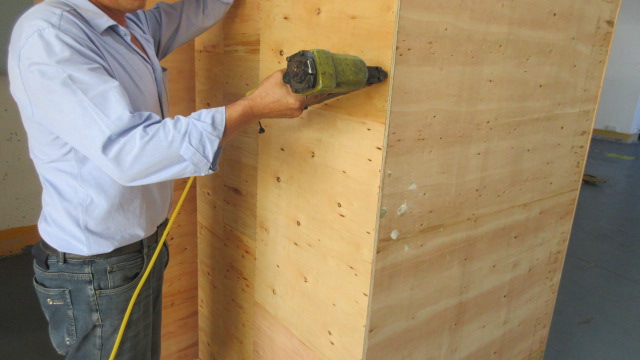
Request a legal-entity check, factory walk-through, model BOM, certificate scope, test video, payment integration plan, packaging specification, lead time, warranty terms, training materials, spare-parts list and after-sales escalation process. Keep all commitments in the purchase contract rather than relying only on catalog images.
Begin with one or two high-footfall indoor sites, choose a payment and consumable plan, test the cleaning routine and measure actual transaction patterns. Then compare results with a simple financial model before scaling. Send an inquiry with site type, expected daily sales, payment requirements and language needs so the technical team can recommend the right model.
Share your site type, voltage, payment requirements, target flavors, expected daily transactions and language needs. The inquiry can be matched to the configurations below or to other models in the portfolio.
This final grid presents the remaining eight original catalog items in two rows on desktop. Each product image and product URL has been retained. Use these links to compare OEM/ODM production, outdoor robot formats, 3-flavor automatic systems, bill/card payment configurations, soft-serve mall machines, business-for-sale models and 24-hour coin-operated systems.