Imler
Imler
Imler
Imler
Engineered for high-traffic São Paulo hubs and Rio beach fronts.
Brazil represents one of the most dynamic markets for automated dessert retail in the Southern Hemisphere. With a climate that remains tropical to subtropical year-round in much of the country, the demand for cold treats is not seasonal but perennial. As Brazil's middle class expands and urban centers like São Paulo, Rio de Janeiro, and Belo Horizonte continue to modernize, the shift toward "Unmanned Retail" is accelerating.
In the Brazilian context, ice cream is more than a dessert; it is a lifestyle necessity. However, labor costs and the logistical challenges of operating traditional storefronts in high-rent districts have pushed entrepreneurs toward automated solutions. Modern ice cream vending machine factories are now focusing on Brazil-specific requirements, including high-humidity resistance and integration with Pix, the country's ubiquitous instant payment system.
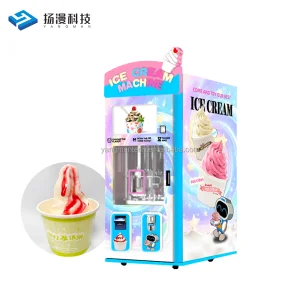
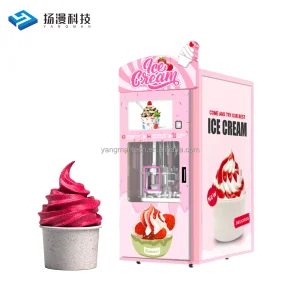
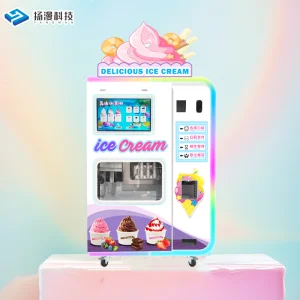
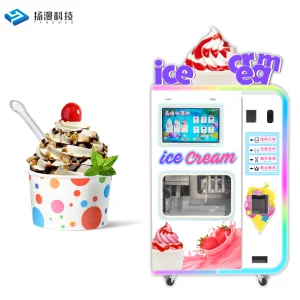
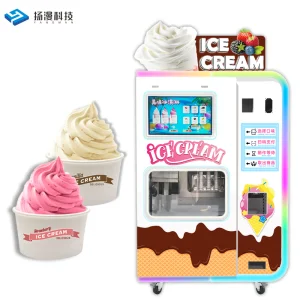
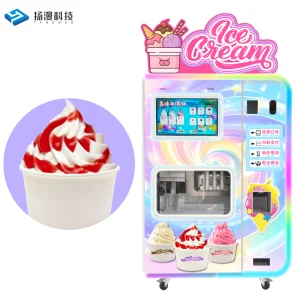
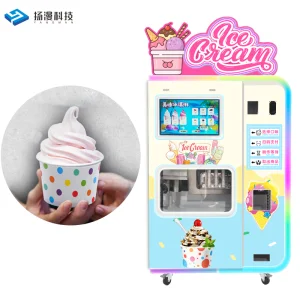
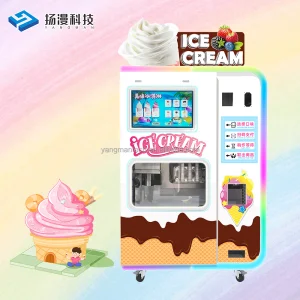
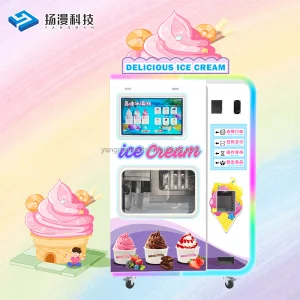
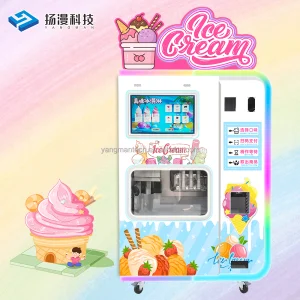
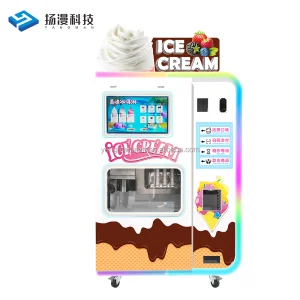
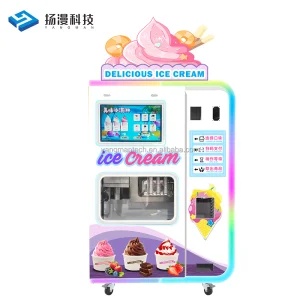
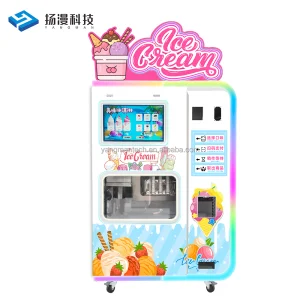
Modern machines utilize 4-axis or 6-axis robotic arms to mimic the artisanal "swirl" of soft serve, providing a theatrical experience that increases customer dwell time and impulse buys.
Exporters are now offering integrated SaaS platforms. Owners can monitor ingredient levels, temperature stability, and real-time sales data from a smartphone app across thousands of miles.
Using R290 or R404A refrigerants, today's factories are meeting strict global environmental standards, ensuring low power consumption and high cooling efficiency even in 40°C heat.
China has emerged as the global epicenter for smart vending machine manufacturing. The efficiency advantage is not merely about cost; it is about the "Information Gain" and technological lead provided by a mature supply chain. Chinese factories in the Guangdong and Zhejiang regions have integrated the entire lifecycle of vending machine production—from PCB design and compressor manufacturing to AI vision software development.
High-footfall indoor environments where "Entertainment Retail" thrives. Machines with large 21.5-inch touchscreens act as digital billboards while serving treats.
Rapid turnover locations where speed of service is critical. Our machines can serve a cone in under 45 seconds.
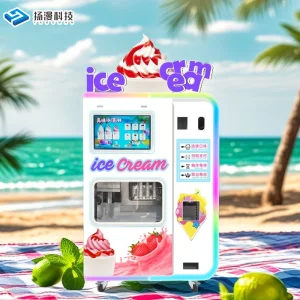
Outdoor-rated machines with anti-corrosive coatings and enhanced cooling systems to withstand salt air and high ambient heat.
Global shipping available with full Brazil customs documentation support (Siscomex).
Purchasing an ice cream vending machine for the Brazil market requires a strategic approach. It is not just the initial capital expenditure (CAPEX) but the total cost of ownership (TCO) that determines success. A high-quality Chinese-manufactured machine offers an average ROI of 6 to 10 months in a prime Brazilian shopping mall location.
1. Certifications: Ensure the factory provides CE, RoHS, and food-grade certifications (HACCP) necessary for Brazilian health inspections (ANVISA compliance).
2. Voltage & Frequency: Brazil uses a mix of 110V and 220V at 60Hz. Your exporter must customize the power system to prevent compressor failure.
3. After-Sales Support: Do they provide remote video diagnostics? Is there a local partner in Brazil for spare parts (gaskets, scrapers, sensors)?