 Imler
Imler
Imler
Imler
Engineered for immediate high-density foot traffic integration, delivering unmatched uptime and instant ROI.
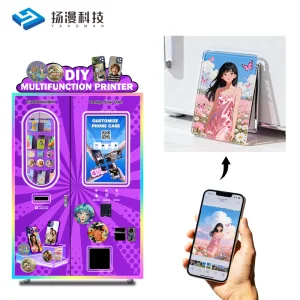
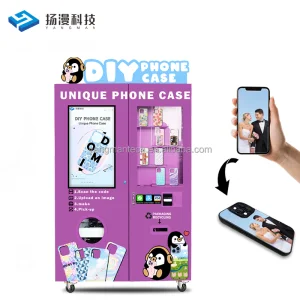
The metropolitan region of Seoul represents one of the world's most advanced environments for testing and deploying interactive micro-retail terminals. Driven by high labor costs, a tech-literate populace, and an incredibly dense urban infrastructure (particularly across primary commercial hotspots like Hongdae, Gangnam, Myeongdong, and Seongsu-dong), the demand for high-end self-service infrastructure has shifted from basic utility to immersive, personalized interactive consumer touchpoints.
Consumer dynamics in South Korea, particularly among the Gen Z and Millennial demographics (MZ generation), show an exceptional preference for "Customization-on-Demand" (CoD) and hyper-personalized goods. Instant-printing photo booths, customizable smartphone accessories, personalized transit passes, and customized souvenir badges have evolved from niche novelties into high-volume mainstream business models. To succeed in this ultra-competitive space, operators and distributors must deploy industrial-grade hardware capable of maintaining high-quality outputs under continuous, heavy loads, while complying fully with domestic hardware, software, and payment system integration standards.
Direct integration of Korean cultural trends, local IP designs, and K-Pop marketing campaigns directly through web-connected API portals.
Real-time status monitoring, remote diagnostics, ink/raw material level notifications, and automated localized error-handling routines.
Systems built from the ground up to comply with electrical safety, mechanical safety, and domestic chemical limits in printing inks.
Our DIY Printing Series represents a major leap forward from simple mechanical kiosks to cloud-connected, micro-manufacturing terminals. Rather than operating as isolated silos, our hardware interfaces with localized enterprise networks. By providing a comprehensive SDK (Software Development Kit) and RESTful API structures, we enable seamless integration with existing CRM systems, retail databases, and payment architectures.
In the context of the Seoul market, this technology allows retail brands, convenience store chains (such as CU, GS25, and 7-Eleven), and entertainment hubs to quickly launch custom merchandise campaigns. Customers can upload images from their personal smartphones via KakaoTalk or local web pages, edit them using a custom interface, and output premium-quality phone cases, keychains, badges, or fridge magnets in under 90 seconds.
| System Architecture Component | Technical Specification Details | Seoul Operational Adaptation |
|---|---|---|
| Printing Mechanism | Direct-to-Object (DTO) High-Definition Piezoelectric Jetting, UV-LED Curable Ink System | Ensures dry-to-touch outputs instantly, removing the need for a separate heat-setting phase. |
| Enclosure Design | 1.5mm - 2.0mm Heavy-Duty Cold-Rolled Steel Shell, Anti-Vandal Tempered Screen Glass | Optimized for high-traffic environments like subway transfer stations and public amusement parks. |
| Connectivity & Computing | Intel Core i5 Industrial Mainboard, Windows 10/11 IoT Enterprise, 4G/5G/Wi-Fi Dual Band | Seamlessly links with high-speed local internet providers (KT, SKT, LGU+) for near-zero latency operations. |
| Local Payment Integration | Multi-protocol interfaces supporting MDB, RS232, and USB card readers | Certified integration for Naver Pay, KakaoPay, Toss, local credit cards (Samsung Card, Shinhan Card), and T-money. |
Our production capabilities deliver high reliability and scalability across all global target markets.
As a premier global developer and exporter of DIY printing and automated retail systems, we balance high-volume manufacturing efficiencies with the custom engineering requirements of localized markets. The South Korean market is known for its rigorous quality expectations; physical finishes must be flawless, and software systems must run without lag.
Our global supply chain network ensures that only top-tier raw components are used, including high-precision printing assemblies sourced from leading manufacturers and robust, industrial-grade microprocessors. By managing the assembly and QA phases within ISO 9001:2015-certified facilities, we guarantee that every DIY printing kiosk shipped to Seoul delivers long-term operational durability and consistent output quality.
This global scale allows us to offer extensive OEM/ODM personalization. Whether you need a branded machine enclosure for a corporate launch in Yeouido, custom software UI for a themed pop-up store in Seongsu, or custom API endpoints to link with a local membership database, our engineering team can build it to your exact specifications.
We provide full hardware customization, custom software integration, and certified local compliance configurations.
Exporting advanced micro-retail hardware to South Korea requires strict adherence to domestic regulations. Every electrical component within our DIY printing terminals is designed to meet KC (Korea Certification) requirements. This includes rigorous testing for electromagnetic compatibility (EMC) and electrical insulation safety, ensuring safe operation within schools, retail hubs, and busy subway systems.
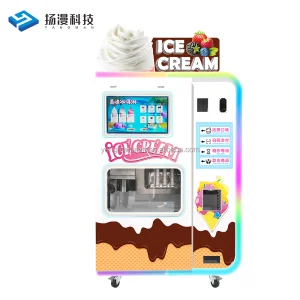
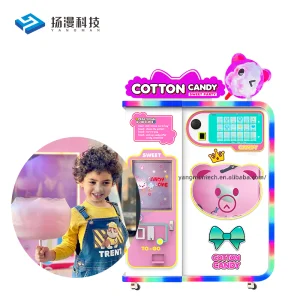
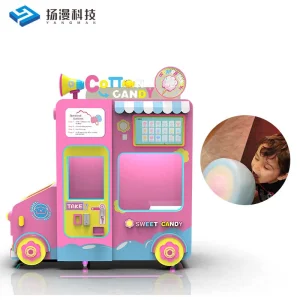
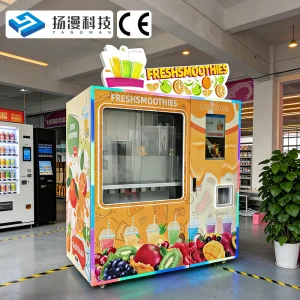
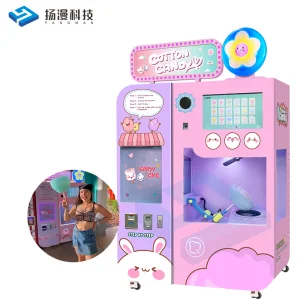
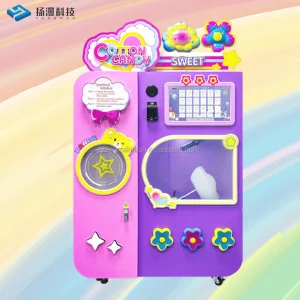
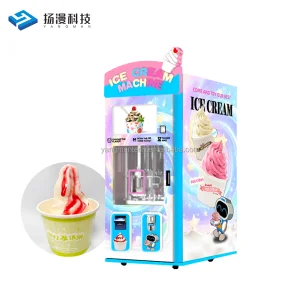
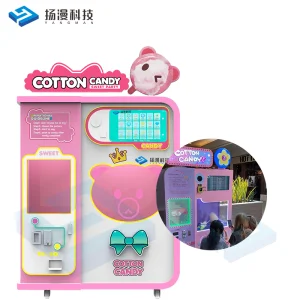
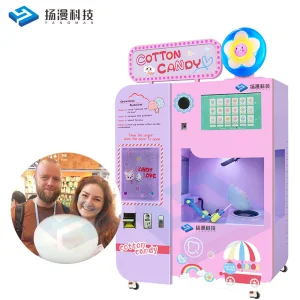
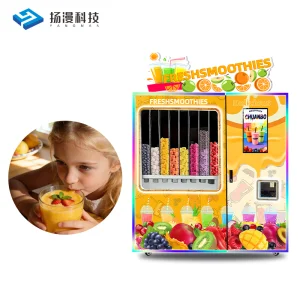
Furthermore, our automated food-grade machines (such as our soft-serve ice cream and cotton candy vending units) use food-safe surfaces, easy-to-clean internal structures, and integrated hot-water flush cycles. These features help operators easily meet local sanitation standards set by the Ministry of Food and Drug Safety (MFDS).
To ensure high uptime, we work with localized technical service partners throughout Seoul to provide responsive SLA (Service Level Agreement) support. We offer direct access to replacement parts, local technical training, and remote diagnostic assistance, helping operators resolve minor issues quickly and keep their machines running smoothly.
The versatile configuration of our DIY Printing Series and smart food terminals allows for placement across a wide variety of high-foot-traffic locations:
The future of custom retail lies in the integration of AI-driven tools. Our hardware development roadmap includes adding edge-based AI processing capabilities to our DIY printing platforms. By using local AI models, future kiosks will let users generate custom designs, artistic avatars, and personalized graphics via voice or text prompts, and print them on physical items in real time.
Additionally, our next-generation cloud dashboard will feature predictive maintenance models. By analyzing operational telemetry, the system can predict component wear and fluid depletion, helping operators schedule maintenance before downtime occurs.
Find detailed answers about technical integration, compliance, logistics, and operation in South Korea.
Durable, high-throughput retail terminals built to maximize revenue in prime commercial areas.
Contact our design and engineering team to discuss customizations, pricing, and shipping schedules for the South Korean market.