Imler
Imler
Imler
Imler
High-performance interactive kiosks engineered for rapid deployment, high-throughput retail venues, and automated street gastronomy in Naples.
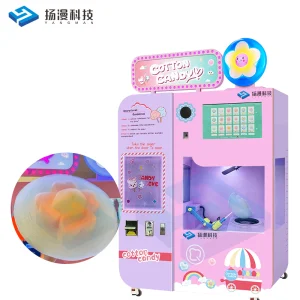
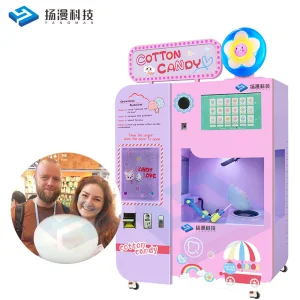
Naples, Italy, is undergoing an unprecedented retail transformation. As one of Europe’s most densely populated historic urban zones and a crucial Mediterranean maritime gate, the Naples metropolitan area handles massive daily foot traffic from both local residents and international tourism. Traditional storefront models are increasingly constrained by high overhead costs, limited floor space in historical quarters like the Decumani and Via Toledo, and shifting consumer demographics demanding immediate, experiential gratification.
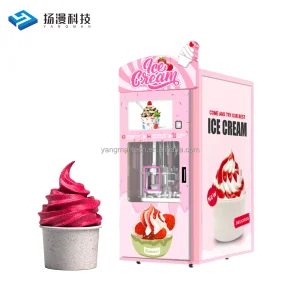
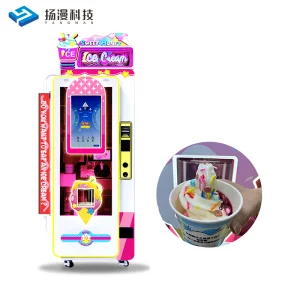
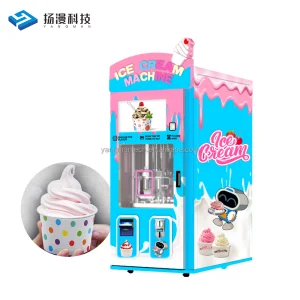
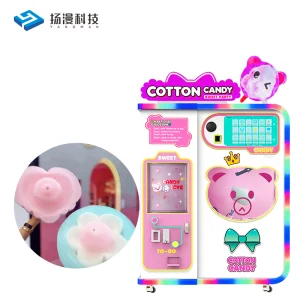
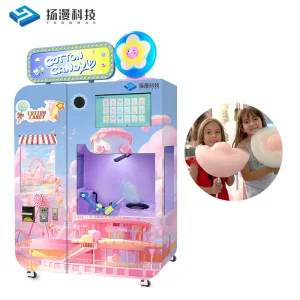
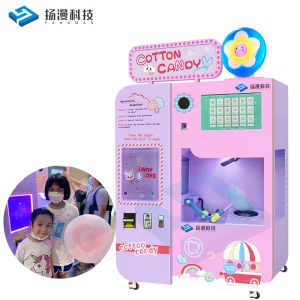
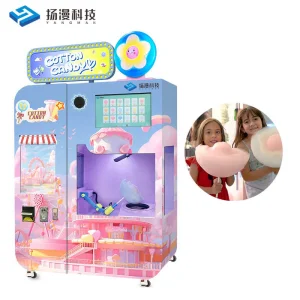
To maintain commercial competitiveness, local amusement park operators, transportation nodes, and retail entrepreneurs are turning to unmanned DIY customizable vending equipment. The convergence of food-grade precision automation (e.g., custom flower cotton candy robotics, self-serve multi-flavor ice cream dispensers) and instant DIY badge/card printing terminals offers high yield per square meter, eliminating legacy labor costs while keeping businesses open 24/7.
Modern DIY vending setups are far more than simple mechanical dispensers. The current technological standard includes:
Operating out of our advanced industrial cluster in Southern China, our factory provides the global and local Naples markets with unmatched engineering capacity, rapid tooling prototyping, and complete product quality control. With over 9 years of professional export operations, we offer:
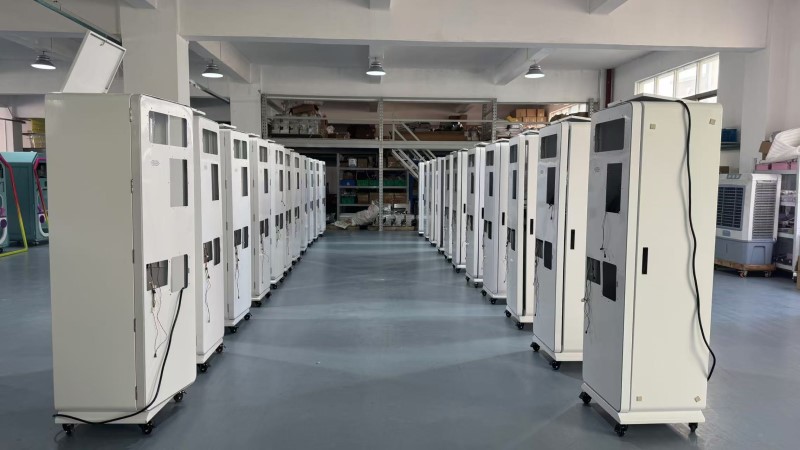
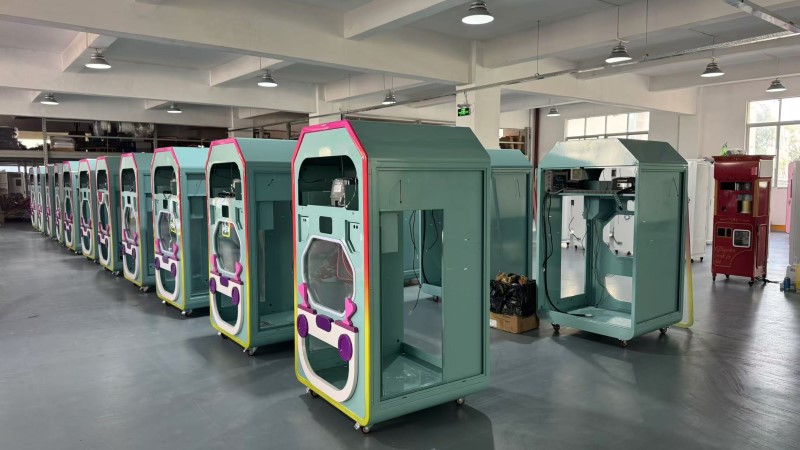
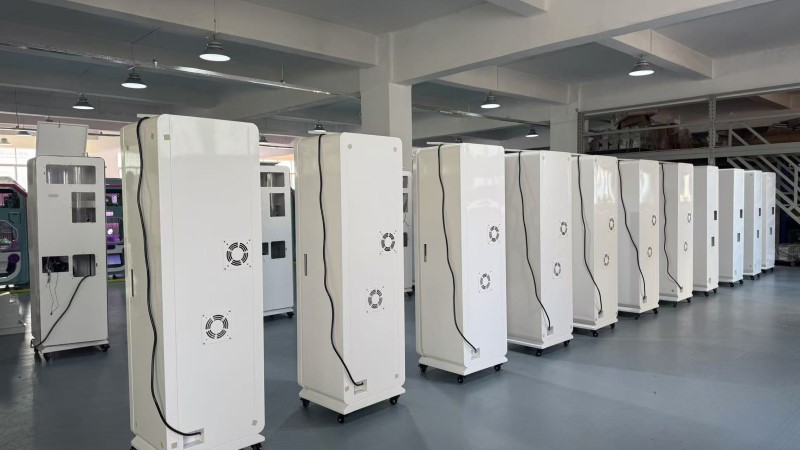
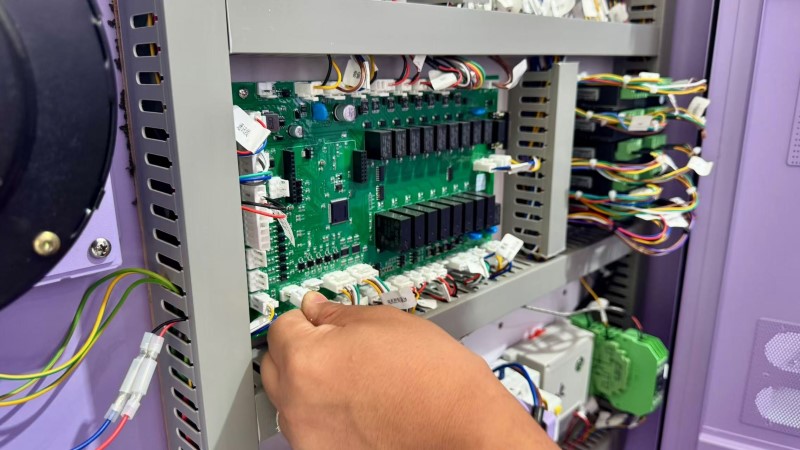
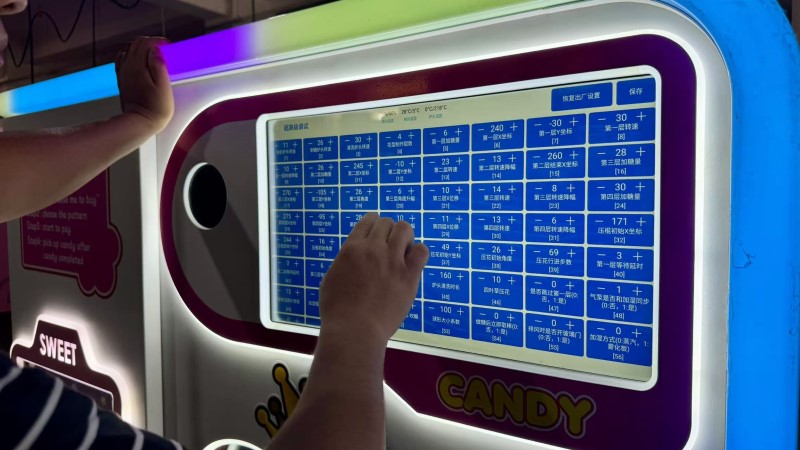
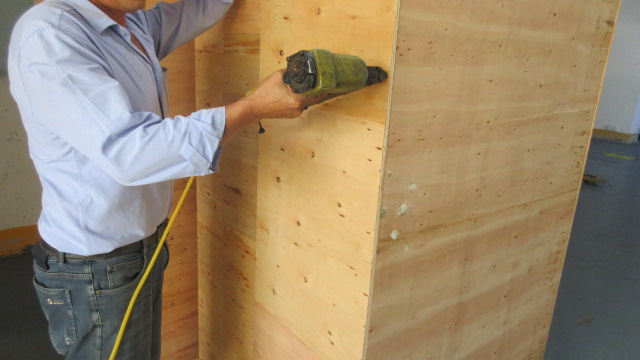
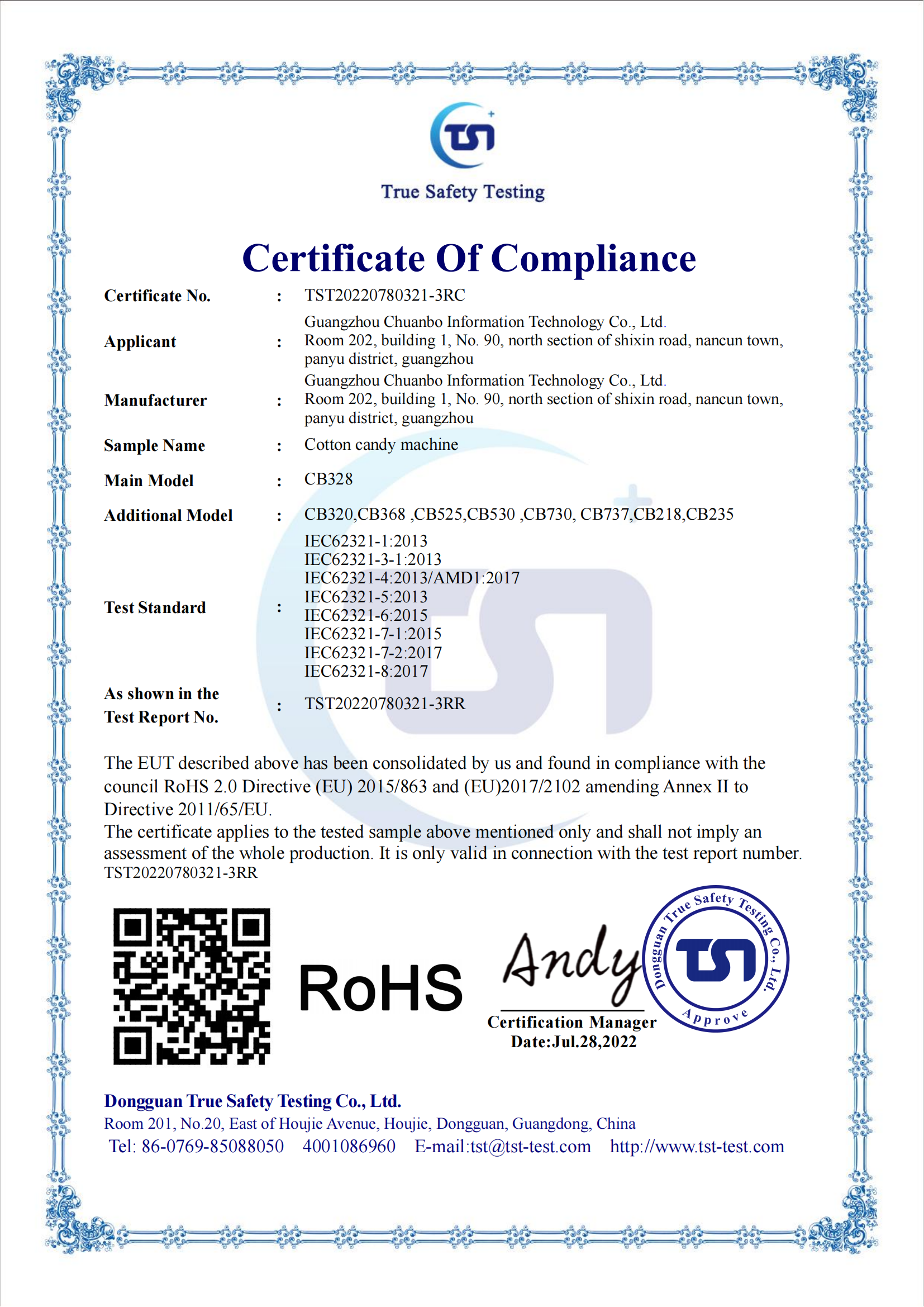
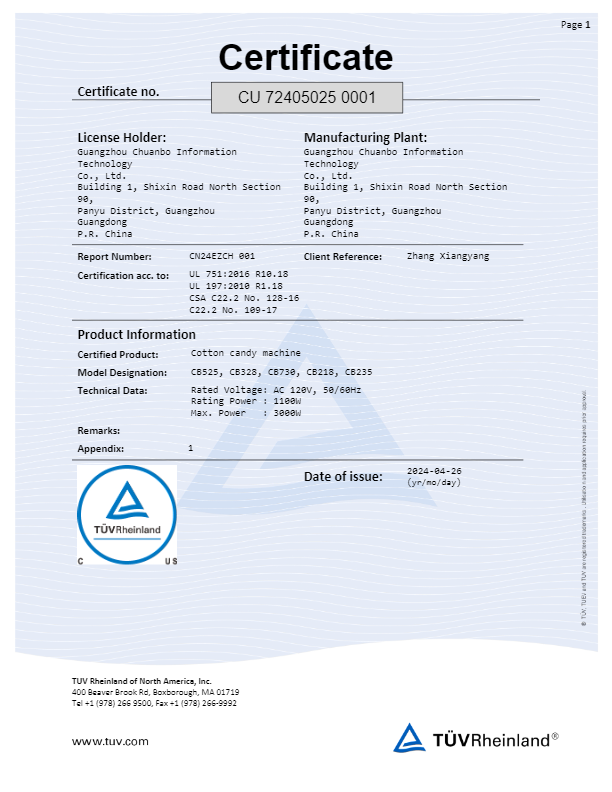
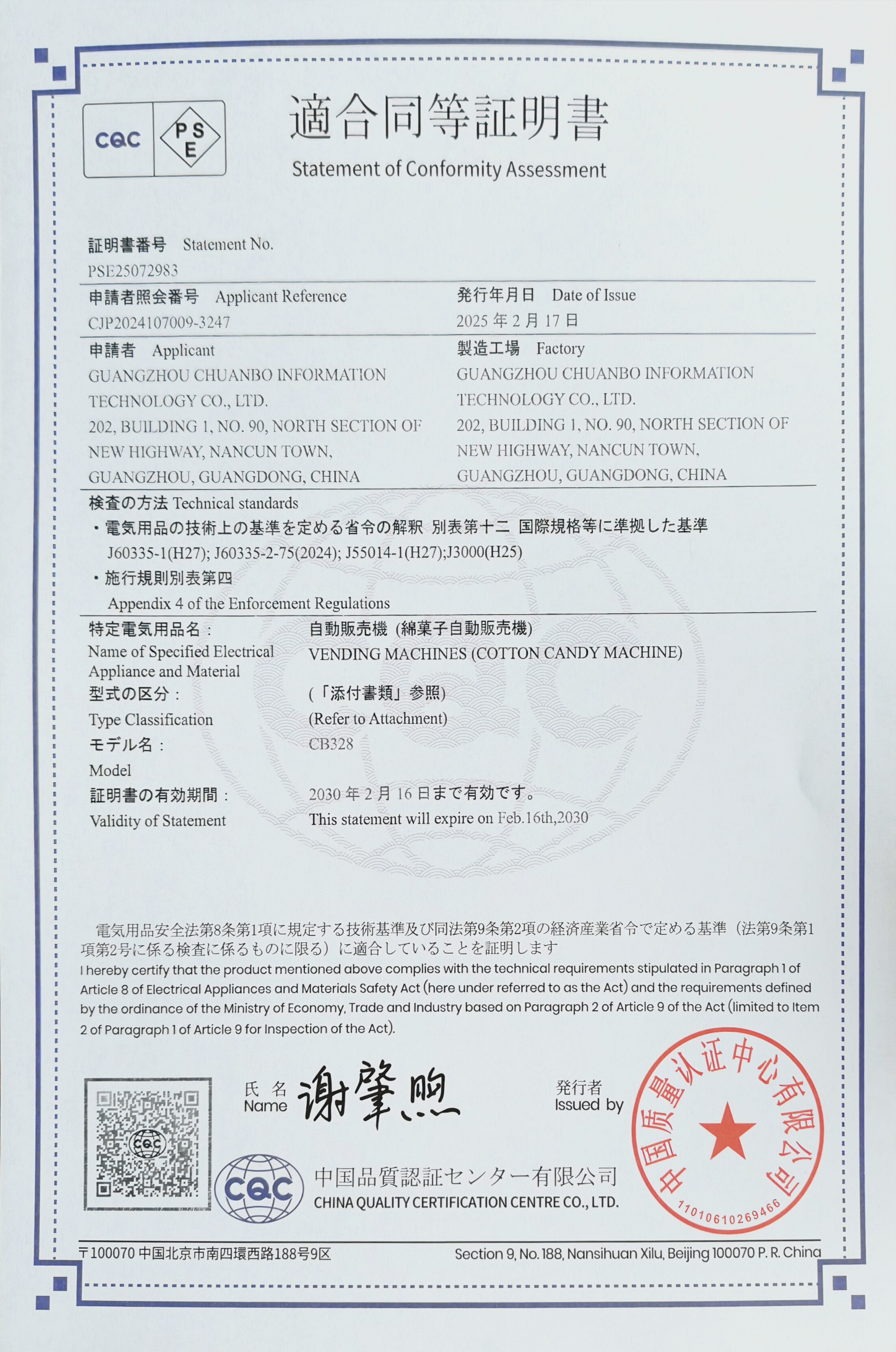
All equipment complies with strict European Union standards. Our models carry certified declarations of conformity for easy customs clearance, insurance approval, and public deployment approvals.







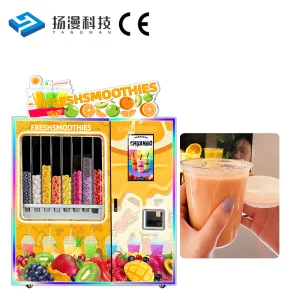
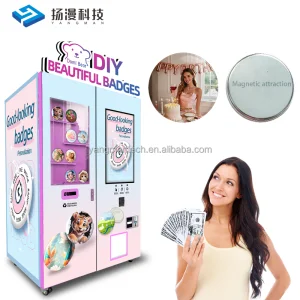
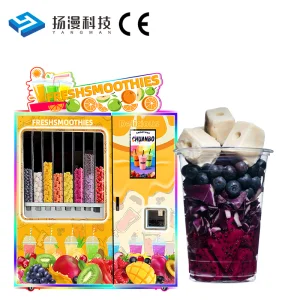
Browse our complete selection of automated ice cream, fresh juice, cotton candy, and ticket/badge customization machinery available for immediate order and shipment to Naples.
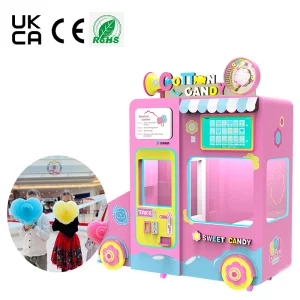
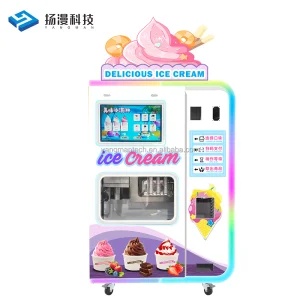
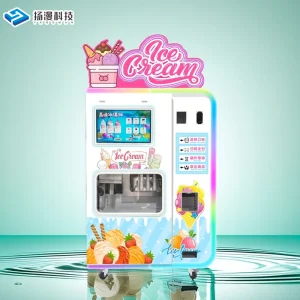
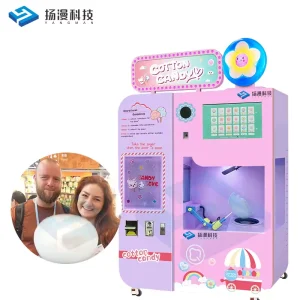
Deploying autonomous self-service machines in the European Union, specifically in the Campania region, requires strict alignment with local technical and digital protection legislation. We configure our machines to meet these high standards:
Our interactive terminal software does not save persistent private biometric images or customer identification credentials. Live cameras used for interactive screen mechanics run strictly on localized temporary memory loops, bypassing data storage requirements.
Engineered with CE certification (M.2022.206.C73909), using food-grade SUS304 stainless steel in all internal food contact areas. Integrated leakage breakers protect machines against high voltage spikes.
Internal controllers feature full Multi-Drop Bus (MDB) compliance. Systems easily pair with Nayax VPOS Touch readers, local Italian debit card networks, and NFC contactless options.
Direct answers to help local operators plan logistics, manage technical specs, and optimize return on investment (ROI).
High humidity is the biggest challenge for sugar-based vending. Our machines use a sealed environment cabinet with precise, sensor-controlled dehumidifiers and air conditioners. This system regulates internal temperature and humidity, preventing sugar crystallization and clogging even during Naples' warmest summer months.
Standard manufacturing lead time is 20 to 30 business days from deposit confirmation. Marine transport from Guangzhou to the Port of Naples (Porto di Napoli) takes roughly 28 to 35 days. We provide comprehensive export documentation, including CE declarations and packing list manifests, to streamline import customs clearance.
Yes. All our machinery integrates a standard MDB terminal motherboard. This allows operators to easily connect local card readers (such as Nayax, Pax, or Ingenico) that support PagoBancomat, Visa, Mastercard, Apple Pay, Google Pay, and contactless payments.
Our ice cream vending terminals feature automated pasteurization and Clean-in-Place (CIP) systems that dramatically reduce physical maintenance. Operators simply need to top up liquid premix ingredients and clean the dispensing nozzle daily (a 10-minute task). Complete system cleaning is only required once every 7 to 14 days, depending on local sanitary regulations.