Imler
Imler
Imler
Imler
Engineered for Kuala Lumpur's high-traffic commercial hubs and micro-retail environments.
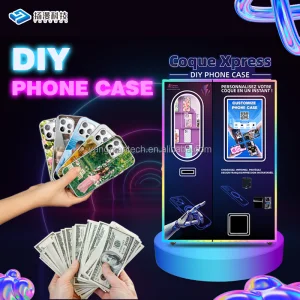
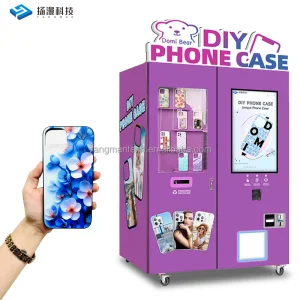
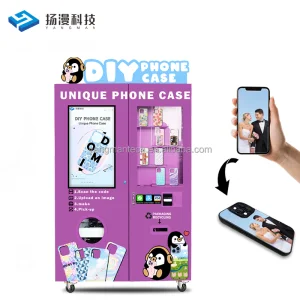
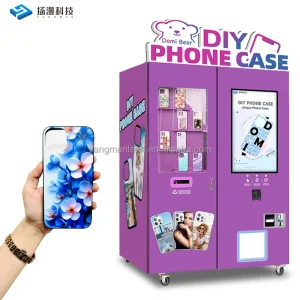
Kuala Lumpur (KL), the pulsing heart of Malaysia's economic engine, is experiencing an aggressive transition toward smart, autonomous retail systems. Driven by the government’s MyDIGITAL blueprint, municipal hubs like Pavilion Bukit Jalil, Mid Valley Megamall, and Suria KLCC are shifting from traditional brick-and-mortar storefronts to decentralized, high-yield smart kiosks.
The consumer demographic in Kuala Lumpur is exceptionally tech-savvy. With mobile penetration exceeding 140% and a heavy cultural emphasis on self-expression, the demand for personalized accessories—particularly mobile phone cases—has hit record highs. However, operators face high rental costs and labor shortages, making 24/7 unattended DIY printing machines the ideal business model.
Operational parameters in prime Kuala Lumpur commercial centers:
From centralized production centers to hyper-localized instant-fulfillment points.
The global cell phone accessories market is valued at over USD 80 billion, and personalized products represent the fastest-growing sub-sector. Consumers are no longer satisfied with mass-produced, static designs. The rise of short-form social media (TikTok, Instagram) drives rapid trend cycles where a meme, a viral quote, or a regional event becomes highly sought-after on product cases within hours.
Traditional manufacturing models suffer from major bottlenecks: high shipping costs, long delivery times, and dead inventory risk. The DIY UV Printer Vending Machine addresses these challenges. By decentralizing the manufacturing process directly to the point-of-sale, businesses transition to a zero-inventory, instant-fulfillment business model.
A blank TPU case typically costs between USD 0.15 and USD 0.40. Curing and ink costs per print run under USD 0.08. In prime retail environments across Southeast Asia, custom-printed phone cases retail for USD 10.00 to USD 25.00 (MYR 45 to MYR 110), yielding gross profit margins exceeding 90%.
Why global operators partner with Chinese technology factories for high-yield customization hardware.
Partnering with a specialized Chinese manufacturer provides access to highly optimized supply chains. Our production facilities implement strict structural steel fabrication standards, precision lead screws, and Japanese industrial printheads (such as Epson XP600/TX800 series) to deliver professional-grade durability at a competitive price point.
Furthermore, Chinese research and development has advanced the modular integration of hardware. Unlike standard plotters, these commercial-grade systems combine mechanical shell alignment, automatic thickness sensors, multi-pass UV curing LED setups, and proprietary RIP software into a compact, dust-free footprint. This guarantees sharp resolution prints (up to 1440 DPI) that are scratch, water, and UV resistant.
Targeted placement strategies to maximize daily active transactions.
High footfall commuter hubs like KL Sentral, Pasar Seni, and Bukit Bintang see massive daily traffic. Commuters can quickly print custom designs on-the-go within a 3-minute transit window.
Placing kiosks near the Petronas Twin Towers, Batu Caves, or Petaling Street allows tourists to print customized local souvenirs, photos, and personalized travel keepsakes instantly.
Campus areas near Universiti Malaya (UM), Taylor's University, and Sunway University are prime locations. Students frequently change phone cases to match campus fashion trends, gaming preferences, and peer group identity.
Low Yat Plaza and Digital Mall PJ are hotspots for tech consumers. A DIY phone case printer complements adjacent smartphone retailers, providing a valuable value-add accessory station.
The shift toward smarter, greener, and more interactive hardware ecosystems.
Future iterations of smart printers will not only print uploaded files but will also feature built-in generative AI engines. Through the touchscreen interface, customers can enter prompts to create unique, AI-generated artwork on their phone cases, creating a highly engaging interactive experience.
As global ESG (Environmental, Social, and Governance) targets tighten, the industry is transitioning to plant-based TPU cases and biodegradable soy-based inks. The UV LED curing process is optimized to handle sensitive organic materials without causing warping or compromised structural integrity.
Modern consumers seek unique tactile experiences. Advanced UV ink deposition techniques allow for multi-layer printing, creating textured reliefs and tactile surfaces that mimic leather, stone, or high-definition physical textures.
Key items for sourcing managers during technical appraisal:
For large-scale enterprise deployments, off-the-shelf retail software is rarely sufficient. System integration requires robust Software Development Kits (SDKs) and Application Programming Interfaces (APIs) to integrate kiosks with existing CRM, ERP, and payment processing portals.
As a leading industrial manufacturer, we supply hardware configured with flexible operating systems (Windows/Android IoT) that support MDB (Multi-Drop Bus) interfaces for cash acceptors and card readers. We also provide secure web APIs that enable direct integration with custom e-commerce channels or regional digital wallets.
Whether you require physical branding adjustments, specialized cabinet sizes to meet local safety regulations, or custom internal climate control systems for hot and humid climates like Kuala Lumpur, our engineering team offers complete OEM/ODM support from design to delivery.
Essential questions answered by engineering and market implementation experts.
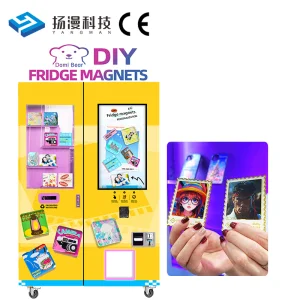
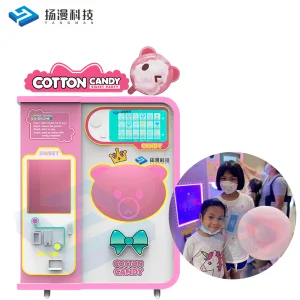
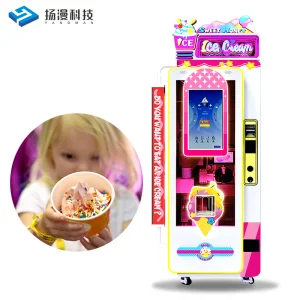
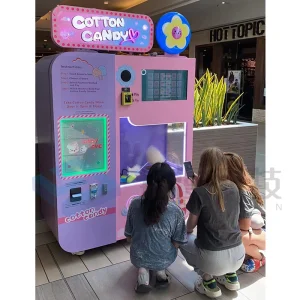
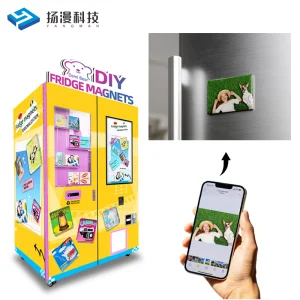
Explore our full range of automated retail systems, customized UV printers, and smart novelty vending solutions.
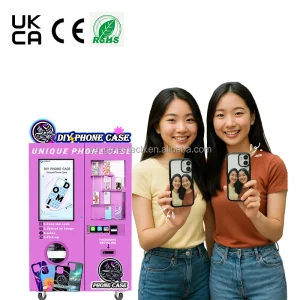
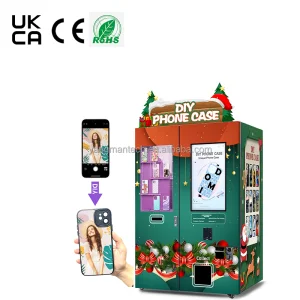
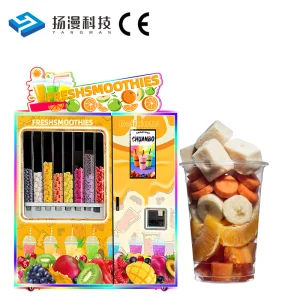
Get in touch with our engineering team for technical spec sheets, localized SDK configuration guides, and volume factory pricing details.
Send Inquiry Now