Imler
Imler
Imler
Imler
Advanced OEM/ODM localized hardware solutions ready for high-traffic operations in Luzon, Visayas, and Mindanao.
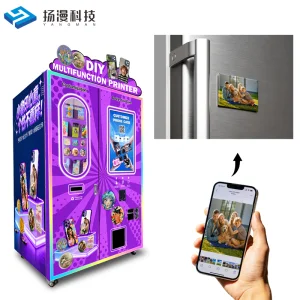
Strategic analysis of market growth, operational dynamics, and infrastructure optimization.
The Philippines is undergoing a digital retail renaissance. Driven by a young, hyper-connected demographic (with a median age of 25) and an urban development model centered around massive retail complexes, commercial operators are facing shifting consumer behaviors. In high-density settings like Metro Manila, Metro Cebu, and Metro Davao, shopping malls function not just as buying hubs but as essential social destinations. In this ecosystem, traditional linear retail is losing market share to interactive, gamified micro-retail concepts.
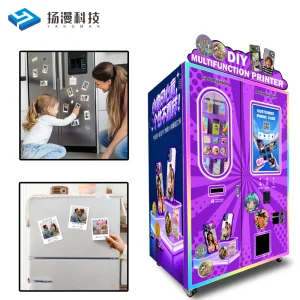
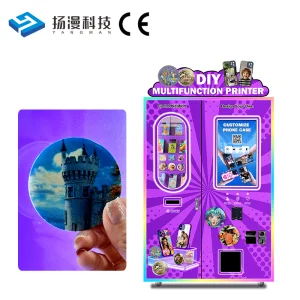
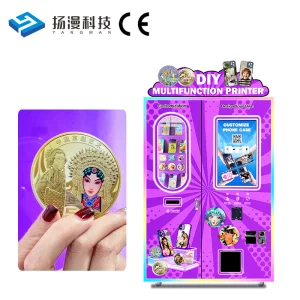
Customizable DIY Badge Vending Machines present a unique convergence of pop culture, personal expression, and automated commercial efficiency. The local popularity of Japanese ACG (Anime, Comic, and Games) culture, combined with a strong culture of personalized keepsakes (souvenirs, tokens, and corporate event giveaways), creates constant consumer demand for instantaneous, customized physical merchandise. By providing hardware that allows direct consumer interface design to physical output within 60 seconds, businesses can achieve unparalleled revenue density per square meter of footprint.
Deploying automated machinery in the Philippines requires specialized engineering concessions due to distinct environmental and infrastructural challenges. The local climate is characterized by high ambient relative humidity (frequently exceeding 80%) and elevated temperatures. For DIY machines relying on high-resolution thermal dye sublimation, photo paper stock, and mechanical cutting assemblies, unchecked humidity causes paper jams, ink layer degradation, and surface rust on internal metal components.
Our manufacturing line integrates thermal management loops, including active moisture condensation drainage and sealed media storage bays. Furthermore, the local electrical grid operates strictly on a 220V/60Hz standard, unlike the 220V/50Hz standard common in continental Europe and China, or the 110V/60Hz standard of North America. Standardizing mechanical motors, cooling fans, and high-frequency print-head power units to 60Hz prevents overheating, coil burnouts, and premature component degradation, ensuring operational longevity in continuous commercial spaces.
While banknote acceptors remain essential for regional and community-level retail in the Philippines, the metropolitan hubs are highly cash-averse. Any self-service terminal lacking integration with GCash and Maya (formerly PayMaya) operates at a severe competitive disadvantage. According to recent BSP (Bangko Sentral ng Pilipinas) reports, digital transactions account for more than half of all retail payments.
Our smart vending architecture is pre-configured with dynamic QR code APIs. When a customer completes their design on the interface, the local IoT control board fetches a unique transaction endpoint, generating a payment QR code directly linked to the merchant’s digital merchant account. Once the gateway detects the inbound transaction, printing initiates immediately without physical intervention. This reduces manual cash collection cycles, eliminates risks associated with counterfeit banknotes, and facilitates live remote reporting of revenue via cloud-based client dashboards.
Sourcing capital equipment internationally poses bureaucratic hurdles for local operators. To ensure seamless deployment, import pathways must comply with regulatory parameters established by the Bureau of Customs (BOC), the Department of Trade and Industry (DTI), and the National Telecommunications Commission (NTC). Because our machines incorporate 4G LTE cellular modems for telemetry and cloud management, NTC Type Approval certificates are standard deliverables in our shipment packages.
We offer comprehensive logistical support to major entry hubs: Manila South Harbor, Port of Cebu, and Port of Davao. Standard terms include complete custom HS-code classification support, structural wooden crate packaging to protect sensitive components during sea transit, and guidance on local tax exemptions available through economic zones (PEZA).
Explore our complete manufacturing catalog with fully customizable OEM/ODM specifications designed for Philippine operations.
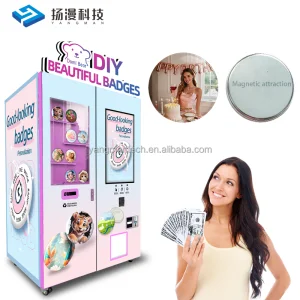
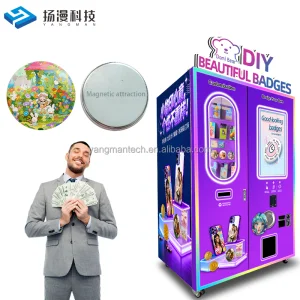
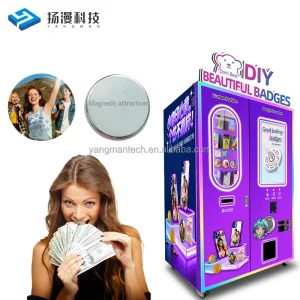
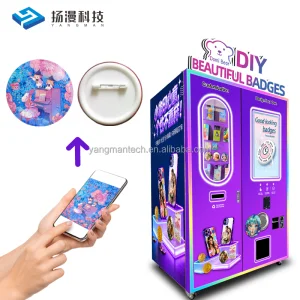
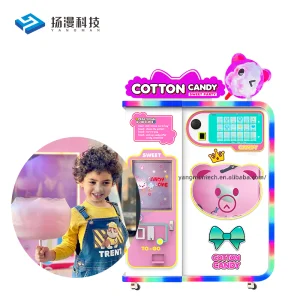
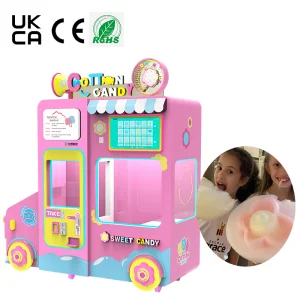
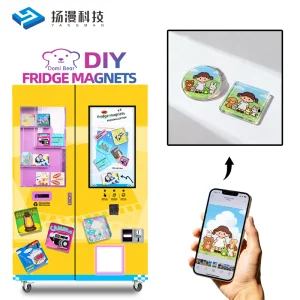
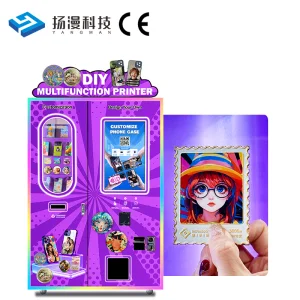
Crucial compliance, mechanical, and logistical guidance for importing and running DIY badge machines in the Philippines.