Imler
Imler
Imler
Imler
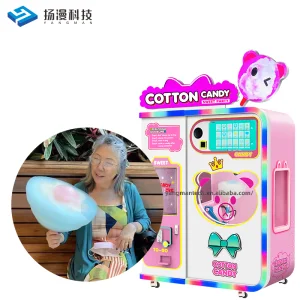
Explore high-performance systems from our advanced hardware and dispensing lines, built with precision thermal frameworks and structural integrity.
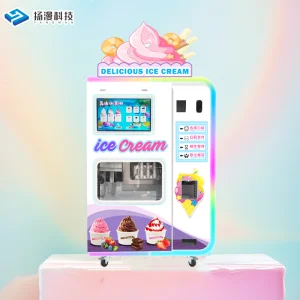
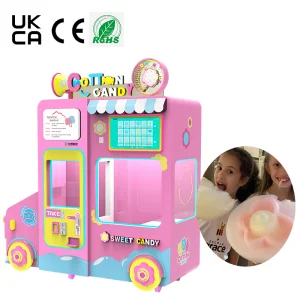
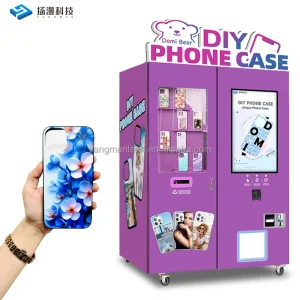
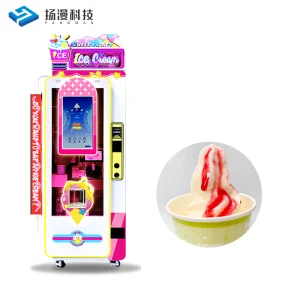
A B2B guide for institutional procurement managers and electronics developers seeking reliable OEM/ODM partners.
The manufacturing sector for commercial and consumer hot water dispensing systems—including drip coffee makers, specialized boilers, and modular smart-retail vending systems—is undergoing a significant technological shift. Global procurement is no longer driven solely by minimizing production costs. Modern supply chains prioritize electrical compliance, thermal stability, automated process diagnostics, and IoT device telemetry integration.
"Industry 4.0 has connected the automated retail workspace with mechanical design. Factories must demonstrate mastery in heating profile accuracy, material selection, and software compatibility to secure Tier-1 contracts."
This document offers a comprehensive roadmap for analyzing potential manufacturing sites. We look at key technical metrics, certifications, mechanical execution, and custom programming tools. We also detail the design engineering processes used to manufacture reliable food-service machines.
By reviewing these criteria, sourcing directors can evaluate factory reliability and optimize international manufacturing operations. Key geographic production centers—such as the Pearl River Delta, manufacturing corridors in Northern Italy, and regional hubs in Central Europe—maintain specialized production capabilities. These locations support everything from initial injection molding to final functional testing under load.
A deep dive into thermal control, fluid dynamics, and component reliability.
Accurate temperature control is critical for quality extraction. Reputable factories use electronic PID (Proportional-Integral-Derivative) controllers paired with high-efficiency thermoblock heating elements. These systems minimize thermal drift, maintaining the target water temperature within +/- 0.5 degrees Celsius throughout the brewing cycle.
Proper water distribution prevents channeling and ensures uniform extraction. Advanced factories use precision CNC machining to fabricate custom multi-hole showerheads and group heads. This design evenly distributes hot water over the coffee bed at controlled flow rates and pressures.
Commercial equipment requires remote diagnostics and payment processing. Modern factories incorporate secure microcontrollers (such as ESP32 or custom ARM Cortex units) supporting Wi-Fi, Bluetooth, and cellular modems. This enables real-time telemetry, remote updates, and SDK integrations for self-service systems.
Critical requirements for evaluating factory production lines and components.
Experienced factories maintain dedicated tooling divisions to design custom chassis, unique boiler shapes, and custom fluid control systems. Working with a factory that manages its own tooling reduces lead times and lowers development costs during the prototyping phase. Our ODM partners can also customize industrial designs, user interfaces, and mechanical components to match specific brand guidelines.
Reliable commercial coffee makers and vending platforms require food-grade materials. Factories must verify that all wet components—including boilers, heating chambers, silicone lines, and valves—are made from materials such as SUS304 or SUS316 stainless steel, copper, or BPA-free polymers. Selecting these materials prevents chemical migration and ensures durability under continuous heat and pressure.
A factory's production stability depends on its component supply chain. High-quality factories source critical parts—such as Italian-manufactured solenoid valves, Japanese-engineered pressure pumps, and German-designed thermal fuses—from trusted suppliers. This reduces early component failures and ensures long-term machine reliability in high-traffic applications.
Factory Assessment Checklist: Always verify that component suppliers hold valid certificates for their specific parts, including UL, VDE, and TUV approvals.
A overview of regulatory standards, automated inspection lines, and life-cycle verification.
Food-contact equipment must meet strict hygiene and safety standards. Trusted factories maintain certifications like NSF/ANSI 4 (for commercial cooking equipment), FDA-approved materials, and regional equivalents. This ensures the machine's fluid lines are easy to clean and prevent bacterial growth.
High-power heating equipment requires robust electrical insulation and shielding. Production facilities must test and certify machines to meet UL 197, CE (LVD/EMC), GS, and RoHS standards. These certifications ensure stable, safe operation under different electrical grid conditions.
Leading factories operate dedicated testing labs that run equipment continuously. Life-cycle tests verify the durability of heating coils, valves, and water pumps through thousands of brew cycles. Pressure chambers, humidity cabinets, and impact testing simulate transport and intensive daily use.
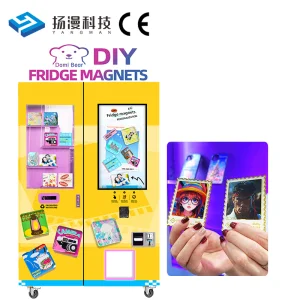
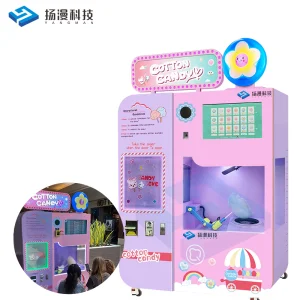
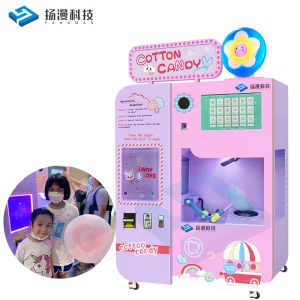
Explore our additional systems, featuring integrated UI touchscreen controls, multi-payment support, and durable mechanical configurations.
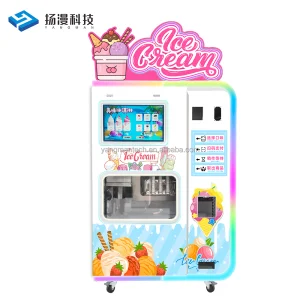
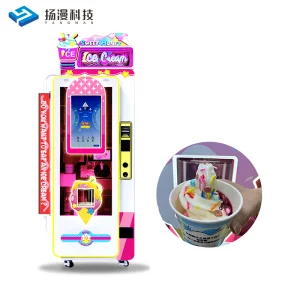
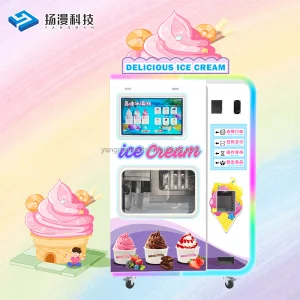
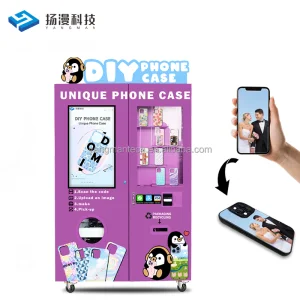
Key growth areas shaping the next generation of beverage and dispensing hardware.
The boundary between traditional drip coffee makers and automated retail systems is disappearing. Modern office and commercial spaces increasingly use integrated systems that combine hot water extraction with modular dispensing mechanisms. Sourcing partners are selecting manufacturers capable of building high-pressure liquid lines alongside mechanical systems like robotic arms, cup dispensers, and interactive UI screens.
Developing these hybrid platforms requires deep expertise in both fluid dynamics and robotics. Partnering with a factory that can integrate mechanical systems with digital control boards ensures long-term compatibility and easier field maintenance.
Regulatory frameworks like the EU Ecodesign Directive are forcing manufacturers to design more energy-efficient heating systems. Traditional insulated boilers are being replaced by high-efficiency flow-through heaters that only heat water on demand. This shift significantly reduces standby energy consumption while keeping flow rates stable.
Furthermore, leading factories are using recyclable structural polymers and lead-free metal alloys in their components. Designing for easy disassembly helps operators meet growing sustainability targets and regional environmental regulations.
Key questions and answers regarding factory selection, testing, and production processes.