Imler
Imler
Imler
Imler
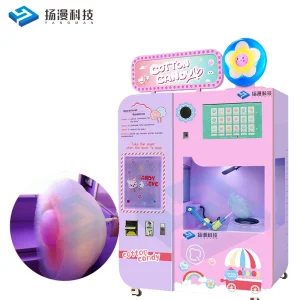
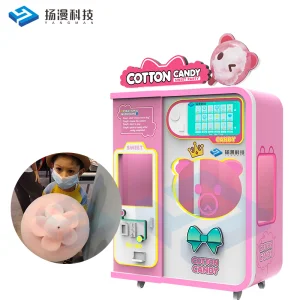
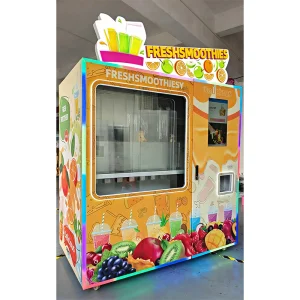
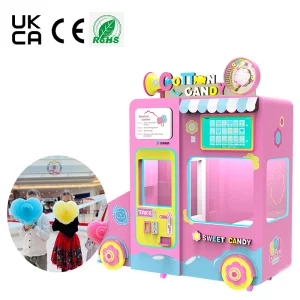
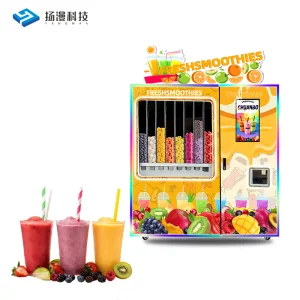
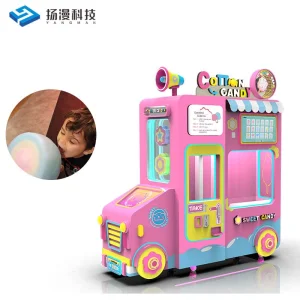
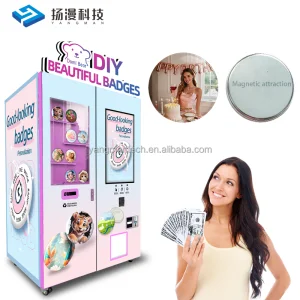
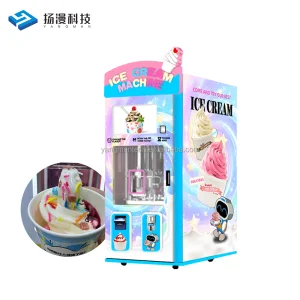
The global retail landscape is undergoing a structural paradigm shift driven by the intersection of three key dynamics: instant gratification, personalized consumer experiences, and the rapid deployment of unattended automated hardware. At the forefront of this industrial transformation is the demand for advanced DIY printing machines, automated customized badge makers, and customizable instant-refreshment terminals.
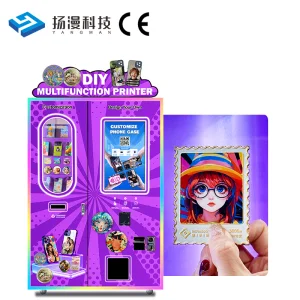
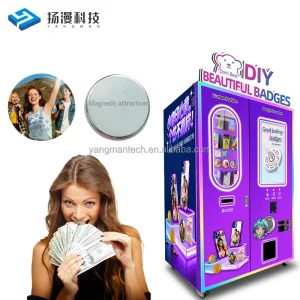
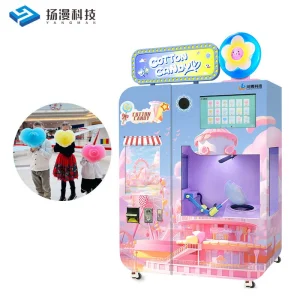
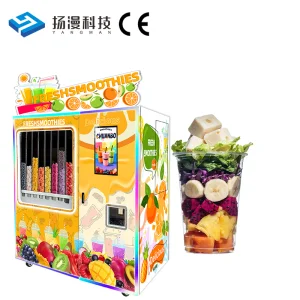
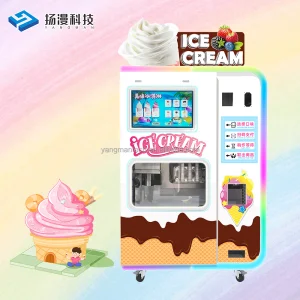
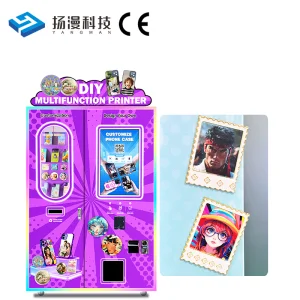
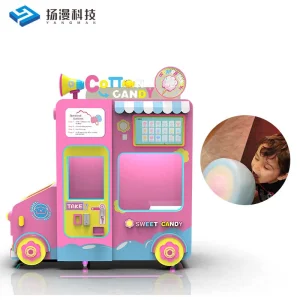
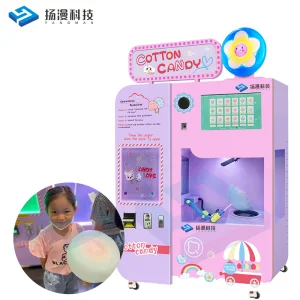
No longer relegated to traditional desktop setups or back-office production pipelines, modern DIY printing technology is migrating directly to the consumer touchpoint. Through interactive kiosk terminals, consumers can now upload personalized assets, select localized designs, execute digital payments, and receive custom products—such as fridge magnets, physical badges, custom cotton candy styles, or freshly blended smoothies—within minutes. This convergence of automated fabrication and self-service distribution has created a high-margin opportunity for entrepreneurs, brand owners, theme park operators, and retail chains worldwide.
The growth of the DIY printing and automated custom vending machine market is characterized by several key architectural improvements in design and electronics:
Deploying modular assembly strategies that accommodate custom modifications (OEM/ODM) rapidly. Scalable production lines ensure consistent delivery timelines even during peak seasonal demands.
Utilizing high-precision CNC machining, sheet metal laser cutting, and automated powder coating processes to build rugged structural chassis that withstand extreme public usage and environmental variables.
Underpinned by rigorous end-to-end QC inspections on all production routes, driven by certified quality personnel testing mechanical tolerance, thermal dynamics, and firmware stability.
Operating a modernized 1,890-square-meter facility, we optimize the balance between raw material efficiency and product reliability. Our supply chain reaches major commercial zones globally, showing a strategic market distribution: North America (25%), South America (16%), and Eastern Europe (15%). By maintaining direct relations with verified raw component suppliers, we build machines that deliver high uptime for brand owners, engineers, distributors, and retail operators alike.
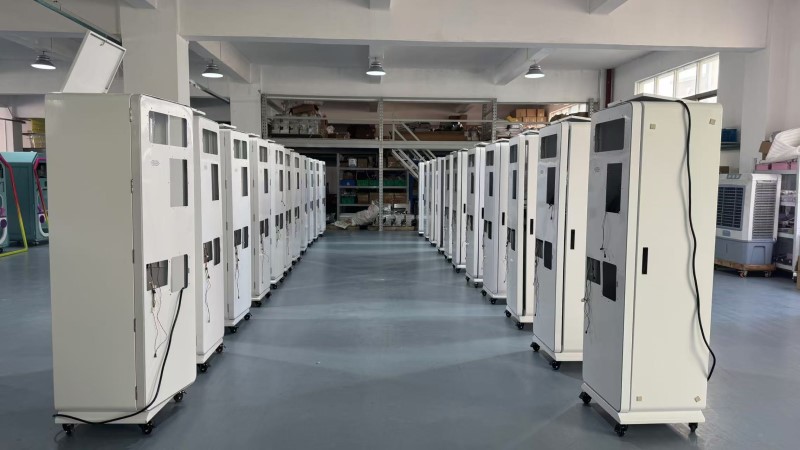
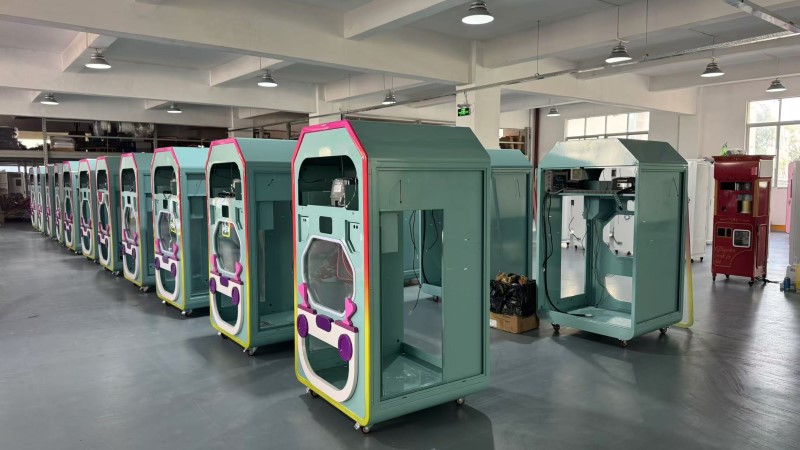
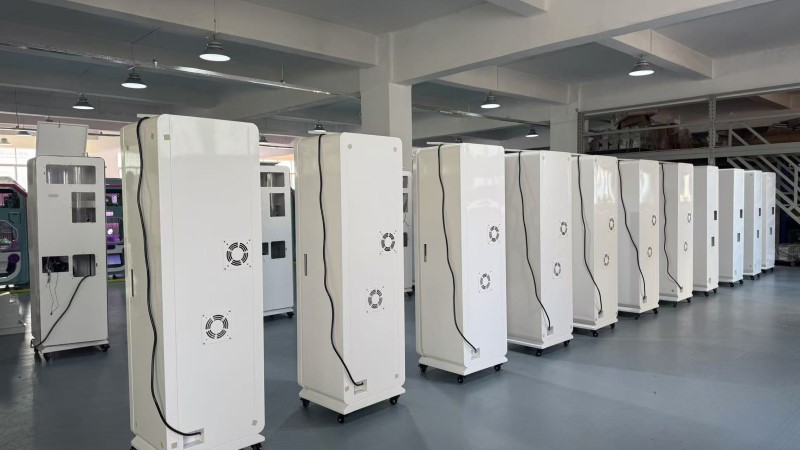
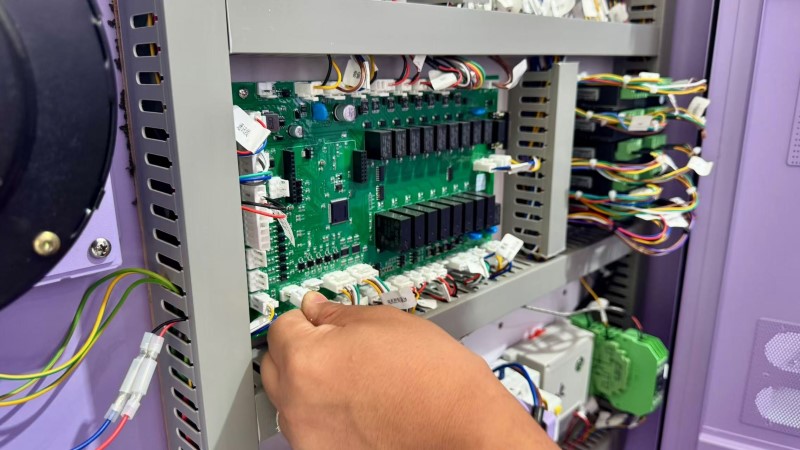
Deploying commercial hardware in highly regulated public markets requires absolute adherence to electrical safety, electromagnetic compatibility, and hazardous material protocols. Our machines are certified across all key consumer markets.







When engineering firms, shopping center conglomerates, and B2B buyers source custom automation hardware, making decisions based purely on price often results in operational difficulties. High-traffic environments require heavy-duty components, fast processing speeds, and stable software. Below is a breakdown of the key factors to evaluate during the procurement process:
| Evaluation Parameter | Standard Market Offering | Our Industrial Class Solutions |
|---|---|---|
| Mechanical Chassis | 1.0-1.2mm carbon steel casing, prone to outdoor deformation. | 1.5-2.0mm structural galvanized steel shell with anti-corrosion marine grade powder finish. |
| Telemetry Systems | Basic SMS modules, localized manual diagnostic logs. | Real-time cloud database (AWS/AliCloud) tracking, remote OTA firmware update pipelines. |
| Print/Dispensation Cores | Third-party consumer parts with standard life cycles. | In-house calibrated print-heads & heavy-duty mechanical arms (rated for >1,000,000 continuous cycles). |
| Global Payments | Single coin/note validation mechanisms. | MDB/Nayax credit card gateways, RFID, multilingual localized coin/note validators. |
Successful commercial rollouts depend on matching the equipment to local consumer demographics: