Imler
Imler
Imler
Imler
Pioneering precision heating, thermal containment, and intelligent vending interfaces engineered to food-grade standards.

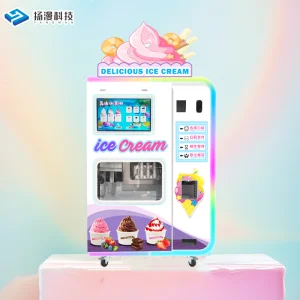
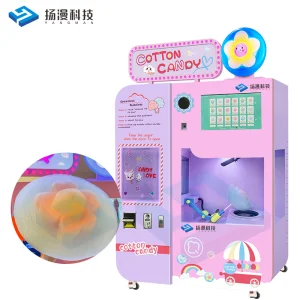
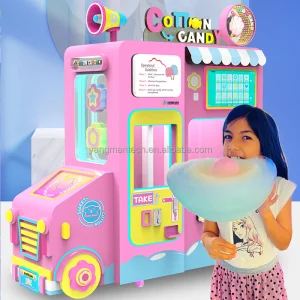
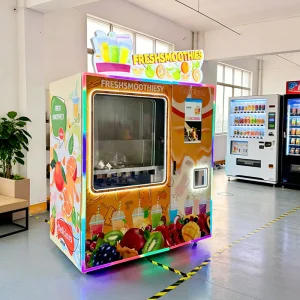
Analyzing the paradigm shift in thermodynamic control, specialty coffee standardization, and industrial scaling.
The global specialty coffee sector is witnessing unprecedented demand for precision processing. From specialty micro-roasteries to multi-national commercial packaging hubs, the requirement for consistent, highly repeatable thermal profiling is paramount. Modern industrial coffee roasting equipment has transcended basic flame-and-drum mechanics; it has evolved into a highly integrated ecosystem of software, material science, and fluid dynamics. To achieve the perfect bean development without physical defects (such as scorching, tipping, or facing), roasters must command exact control over convective heat transfer and drum speed synchronization.
Globally, green coffee bean processing is governed by volatile market conditions. Roasters require equipment that reduces energy consumption while maintaining maximum thermal stability. This has triggered a shift toward closed-loop convective recirculation systems. Such configurations re-route clean, heated air through the roasting chamber, drastically cutting fuel usage while significantly curbing greenhouse gas emissions. Furthermore, stringent environmental mandates in North America and the European Union demand integrated thermal oxidizers or catalytic afterburners to scrub volatile particulate matter (PM2.5) and organic compounds from the exhaust stream before emission.
By recirculating up to 45% of heated exhaust gas, our thermal systems reduce LPG/Natural Gas fuel overheads by over 30% annually compared to direct-vent systems.
Integrated low-NOx burners combined with automated cyclone dust collectors ensure compliance with strict regional EPA and EU emission standard limits.
Native PLC controllers integrate directly with software platforms (Artisan/Cropster) via Modbus TCP protocols for fully automated roast reproduction profiles.
Why Chinese manufacturing centers dominate the industrial food processing equipment vertical through supply chain integration and CNC automation.
For decades, China's manufacturing sector has undergone intense automation upgrades. Today, Chinese commercial food processing and thermal roasting equipment factories represent the pinnacle of high-throughput precision engineering. By utilizing localized heavy-industry supply chains, China-based manufacturers secure premium raw materials, such as Japanese-standard SUS304 and SUS316 food-grade stainless steel and double-walled cast iron carbon drums, at a fraction of the cost of Western competitors. This structural advantage translates directly into capital savings for global buyers.
Beyond raw materials, Chinese factories employ high-precision laser-cutting CNC systems and robotic welding stations. Automated welding guarantees flawless, airtight seal joints across the heating chambers, eliminating localized draft leakages that plague manually fabricated roasting drums. This precision engineering minimizes thermal drifting, ensuring that the air-to-bean ratio remains perfectly aligned with predetermined roasting parameters.
Crucially, lead times and custom OEM/ODM configurations are processed with rapid turnaround. Chinese factories operate within dense industrial clusters where foundry, electronics, machining, and logistics firms are co-located. This proximity allows for agile engineering cycles. For instance, modifying a standard 30kg commercial roaster to incorporate specific pneumatic bean-dump gates, custom airflow dampeners, or high-pressure gas burner manifolds takes only a fraction of the time compared to North American or European custom shops.
How core thermodynamic engineering, precision mechanical actuators, and high-temp sensors translate into modern smart retail systems.
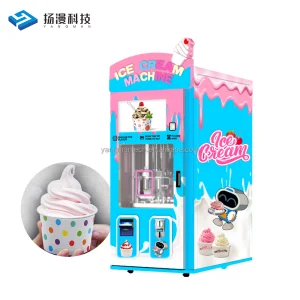
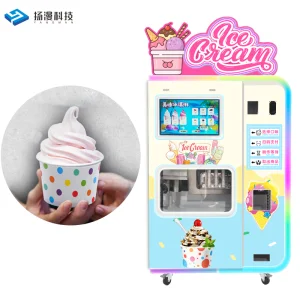
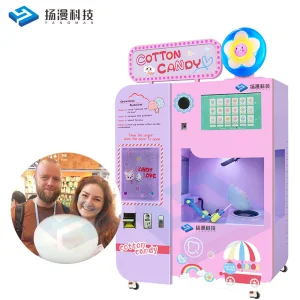
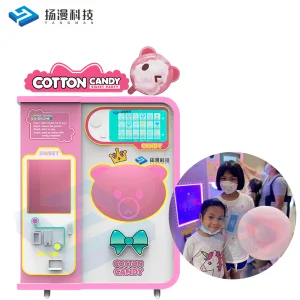
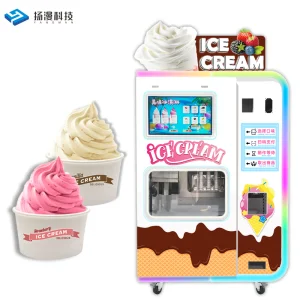
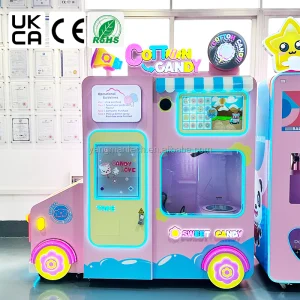
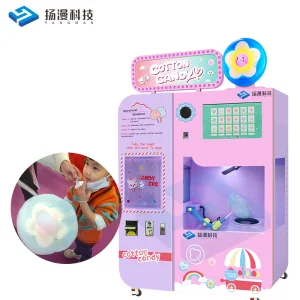
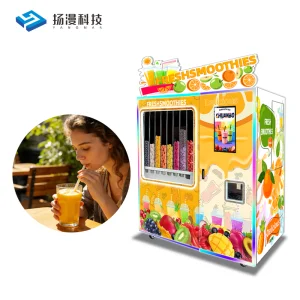
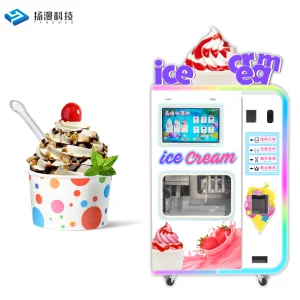
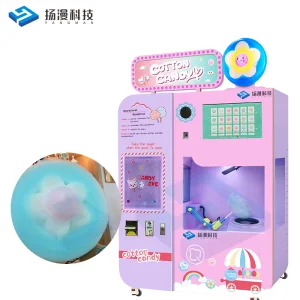
At our core manufacturing plant, the engineering disciplines developed for high-end industrial coffee roasting—such as micro-temperature PID control, fluid distribution, and pressure chamber regulation—are also deployed across our wider portfolio of automated food and beverage dispensing systems. The mechanical requirements to spin a roasting drum at precise RPMs while distributing 200°C convective air are fundamentally similar to the high-reliability thermal actuators, automated spinning heads, and pneumatic systems utilized in our intelligent retail platforms, including automated cotton candy makers and cryo-controlled soft ice cream vending systems.
By cross-pollinating our mechanical engineering expertise, we guarantee that all thermal components (including the heaters in our automated sugar-spinning heads and high-pressure steam boilers in our beverage lines) utilize industrial-grade heating elements with extended lifespans. This shared R&D architecture allows us to provide commercial operations with unmatched reliability across all categories of thermal food equipment.
Continuous calibration of heating components prevents raw material degradation and ensures consistent product yield.
Real-time remote diagnostics monitoring throughput, thermal output, and mechanical faults via cloud dashboards.
Utilizing carbon steel and high-tensile alloys to resist mechanical deformation under continuous duty cycles.
Adherence to strict hygiene standards, implementing self-cleaning mechanisms and food-safe interfaces.
Understanding real-world deployment challenges across micro-roasteries, large-scale commercial hubs, and high-footfall micro-retail centers.
Micro-roasteries require 1kg to 15kg batch roasters with fast thermal response times and dynamic airflow controls. These units permit roasters to modify airflow velocities mid-roast to emphasize fruity acidity or heavy chocolate notes, responding directly to local consumer preferences.
Industrial operations running continuous shifts demand 60kg to 300kg+ capacity roasters. These systems prioritize high structural durability, automatic green bean loading hoppers, destoners, and heavy-duty cooling trays equipped with rapid-exhaust suctions to stop the roasting process instantly.
The modernization of shopping malls, transportation hubs, and university campuses has driven the demand for unattended commercial food terminals. These units combine payment systems, mechanical precision, and thermal elements to serve customers without on-site staff.
Three main trends dominate the modern thermal and commercial food machinery landscape: Industrial Decarbonization, Artificial Intelligence Integration, and Modular Scalability. With emissions limits tightening worldwide, manufacturers are shifting from fossil fuels to hybrid or all-electric heating elements. Electric roasting and heating devices powered by high-capacity induction coils provide near-instantaneous thermal shifts without releasing combustion byproducts into the air chamber, resulting in cleaner outputs and a reduced environmental footprint.
Simultaneously, machine intelligence is moving from simple temperature alerts to predictive profiling. By utilizing on-board sensors that measure bean density, moisture loss, and ambient humidity, smart controllers can dynamically adjust burner outputs in real time. This ensures that even when processing inconsistent batches of green beans, the final roast matches the reference curve perfectly, reducing waste and maximizing production consistency.
Ensuring seamless import operations, safety certifications, and mechanical reliability across diverse regulatory zones.
Procuring commercial food machinery internationally requires rigorous quality assurance and compliance checks. Different markets enforce unique safety regulations. Failing to comply can result in customs delays or operational bans. As a global exporter, we align all manufacturing processes with international safety frameworks, ensuring smooth integration into local facilities.
| Region | Key Certification | Compliance Target | Factory Inspection Protocol |
|---|---|---|---|
| European Union | CE, RoHS, Gas Appliances Regulation (GAR) | Low-voltage directive compliance, electromagnetic compatibility, safe gas pipe fittings. | Third-party verification of pressure valves, burner seals, and non-hazardous component materials. |
| North America | UL 197, NSF 4, CSA Certification | Electrical component isolation, food contact surface safety, low gas emission rates. | Dielectric strength test, component durability trials, material analysis of food zones. |
| Global Markets | ISO 9001, SASO, KC Mark | Quality management uniformity, localized power grid compatibility. | Pre-shipment verification, electrical frequency conversion, packaging stability testing. |
During procurement, buyers must confirm their facility's electrical infrastructure matches the equipment's specifications. While residential locations commonly use single-phase 110V/220V power, commercial facilities running large roasters or automated vending lines require three-phase 380V/415V connections to power high-capacity blowers, drum motors, and heavy heating arrays. Selecting the correct voltage during the design phase avoids costly conversion work during installation.
Professional answers to key questions on installation, thermal management, maintenance, and logistics.
Industrial-grade automatic systems designed for high uptime, robust operation, and global connectivity.