Imler
Imler
Imler
Imler
Advanced CNC machining and laser-cutting technology ensure that every valve, motor, and heating element meets aerospace-grade tolerances for consistent beverage quality.
Real-time telemetry, remote diagnostics, and cloud-based inventory management are standard features, allowing global operators to manage fleets from a central dashboard.
Leveraging the "Silicon Valley of Hardware" in Shenzhen and the manufacturing clusters of Zhejiang, factories achieve economies of scale that Western rivals cannot match.
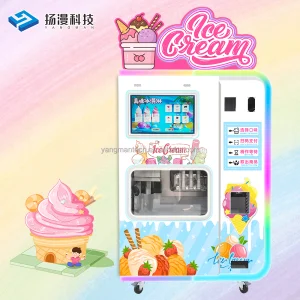
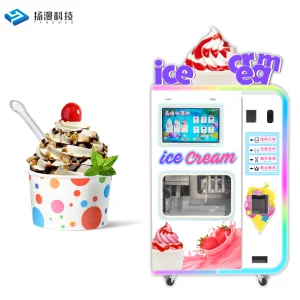
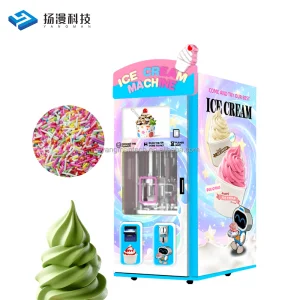
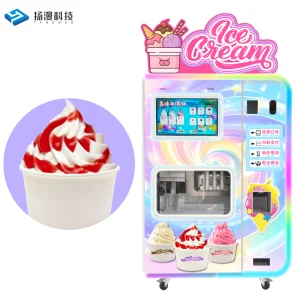
Leading manufacturers now invest over 15% of their revenue back into R&D. This results in "Information Gain" for buyers—patented technologies like self-cleaning nozzles in ice cream machines or multi-language UI support that opens global markets. These are not mere features; they are solutions to common pain points in the automated food service industry.
Top-tier factories operate with rigorous quality management systems. From CE and RoHS to UL and NSF certifications, Chinese manufacturers are aligning their output with global safety and hygiene standards. This demonstrates the "Experience, Expertise, Authoritativeness, and Trustworthiness" required to succeed in highly regulated Western markets.
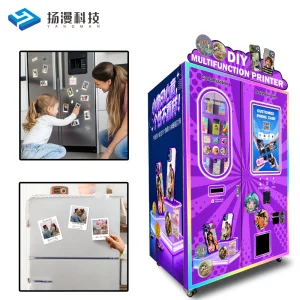
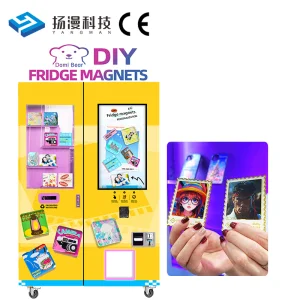
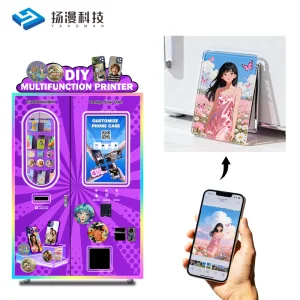
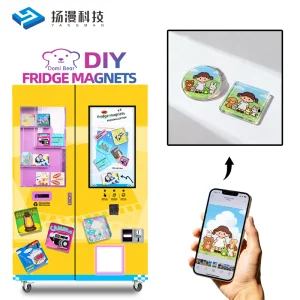
The proximity to component suppliers (sensors, pumps, screens) means that the lead time from prototype to mass production is significantly shorter. This agility allows global enterprises to react to market trends—such as the sudden surge in demand for DIY printing vending machines—within weeks, not months.
For global enterprises, the requirement is no longer just a machine; it is a Macro Industry Solution. This includes API integration for loyalty programs, localized payment gateway support (MDB/Nayax), and sustainable logistics. Chinese factories are now providing the full stack—hardware, software, and cloud infrastructure.