Imler
Imler
Imler
Imler
The global hospitality and catering landscape is undergoing a tectonic shift. What was once defined as a simple coffee serving rack—a static piece of furniture designed to hold cups and condiments—has evolved into a sophisticated automated serving node. Today's market leaders are no longer just metalworkers; they are systems integrators combining mechanical engineering with IoT capabilities.
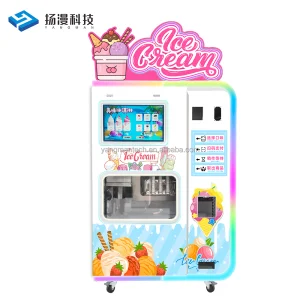
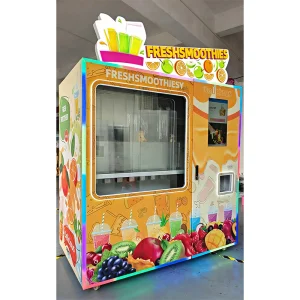
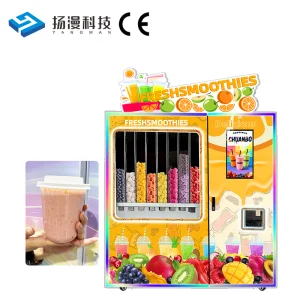
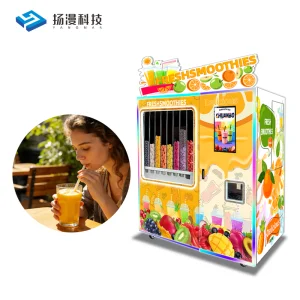
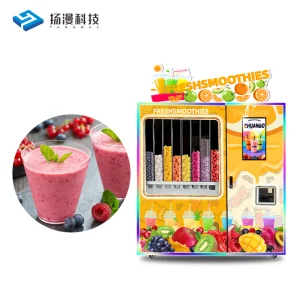
Driven by the rising costs of labor and the consumer demand for instantaneous, contactless service, the "Top 10 Manufacturers" have pivoted toward robotic beverage dispensers and automated serving platforms. These systems serve as the backbone for smart hotels, cinema halls, and high-traffic transit hubs.
Semantic search trends indicate that B2B buyers are moving away from searching for "furniture" and toward "automated revenue centers." This transition reflects a deeper user intent: the need for ROI-driven equipment that reduces overhead while maximizing throughput.
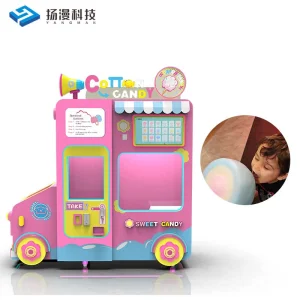
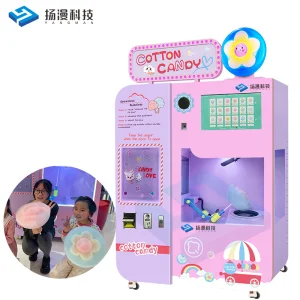
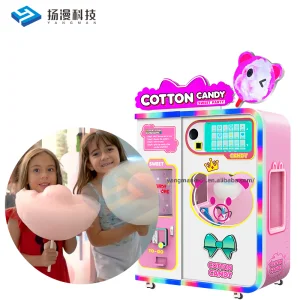
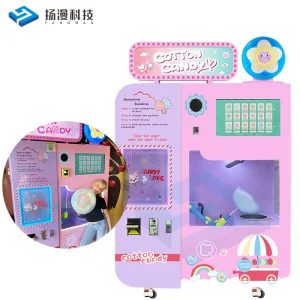
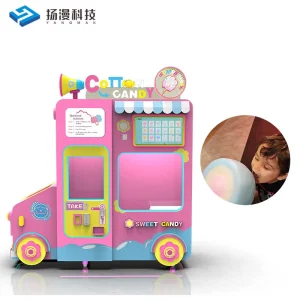
Integration of 6-axis robotic arms for intricate tasks like latte art or cotton candy shaping, ensuring millimetric consistency in every serve.
Real-time inventory tracking and remote diagnostic systems that predict mechanical failure before it happens, reducing downtime by 40%.
Utilization of antimicrobial coatings and food-grade 304/316 stainless steel to meet the most stringent global hygiene standards (NSF/FDA).
The next decade of coffee serving rack technology will focus on Hyper-Personalization. Manufacturers are experimenting with facial recognition to recall user beverage preferences and AI-driven flavor profiling. We are moving from "one-size-fits-all" racks to "one-rack-fits-all-needs" intelligent stations.
China remains the epicenter of the Coffee Serving Rack manufacturing industry, not just for volume, but for "Speed-to-Market." The Factory 4.0 paradigm combines CNC precision with automated assembly lines, allowing for high-degree customization (OEM/ODM) at a fraction of the cost of Western counterparts.
Corporate buyers from North America and Europe are increasingly looking for supply chain transparency. Top manufacturers now provide "Cloud Factory" access, where buyers can monitor their production status in real-time via IoT sensors on the assembly line.
For a global enterprise, purchasing a coffee serving rack or vending kiosk is not just about the hardware; it’s about the legal framework. High-end exporters prioritize:
Integration with Nayax, Pax, and local QR-code wallets to ensure frictionless transactions in over 100 countries.
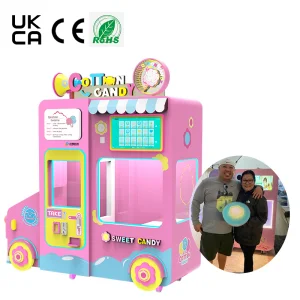
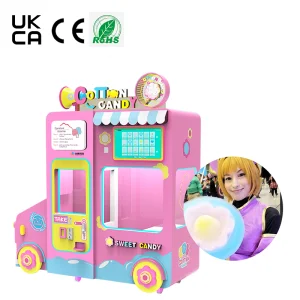
Full CE, RoHS, FCC, and UL certifications, ensuring that equipment meets local safety and electrical standards upon arrival.
Servers hosted on AWS or Azure with GDPR compliance to ensure user data and transaction logs are handled according to local privacy laws.
Choosing a partner from the Top 10 Coffee Serving Rack Manufacturers requires a holistic view of the ecosystem. It is no longer about the lowest unit price; it is about Information Gain—how much data can your serving rack provide about your customers? How much labor can it truly displace? And how resilient is the manufacturer’s supply chain in a fluctuating global economy?
By focusing on E-E-A-T—Experience, Expertise, Authoritativeness, and Trustworthiness—buyers can secure not just a piece of equipment, but a long-term revenue engine designed for the smart retail age.