Imler Imler

Top 10 Coffee & Intelligent Beverage Serving Equipment Suppliers

A Comprehensive Industry Whitepaper on Automated Retail, Next-Generation Coffee Lounge Innovations, and Global Supply Chain Resiliency

1. The Paradigm Shift: Coffee & Automated Beverage Ecosystems

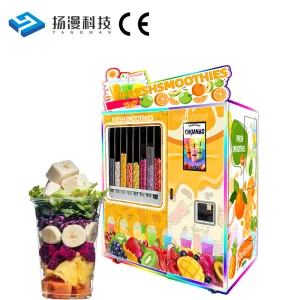
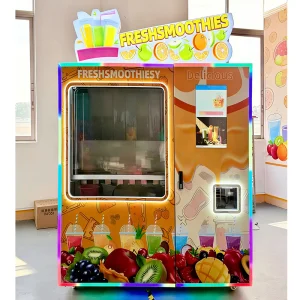
The global food and beverage landscape is undergoing an unprecedented structural transition. Modern coffee shops, corporate micro-markets, and leisure destinations are no longer operating within the historical silos of manual preparation. The integration of smart beverage serving machines—ranging from commercial automated smoothie dispensers to robotic dessert interfaces—is redefined by a primary operational metric: Return on Floor Area (ROFA).

While traditional manual espresso and hot drink systems remain core anchors of the hospitality market, pioneering operators recognize that modern consumers expect multi-sensory, personalized, and friction-free retail experiences. Smart vending systems, acting as integrated companion devices, expand the service capability of traditional environments into 24/7 high-uptime operations. By adopting autonomous kiosks, coffee chains and catering groups can deploy satellite points of service inside adjacent transit hubs, office lobbies, and public spaces, extracting high margins without traditional labor overheads.

Key Growth Insight: Driven by advanced robotics, cloud monitoring, and integrated cashless payment systems, the global smart automated food service market is projected to expand at a compound annual growth rate (CAGR) exceeding 14.5% through 2030, transforming simple beverage counters into interactive, high-margin retail experiences.

2. Global Market Dynamics: Commercial Beverage Tendencies

Current global procurement teams must address four distinct factors when choosing serving equipment suppliers:

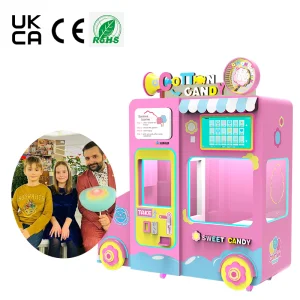
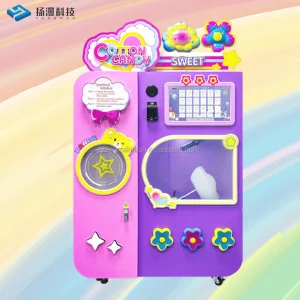
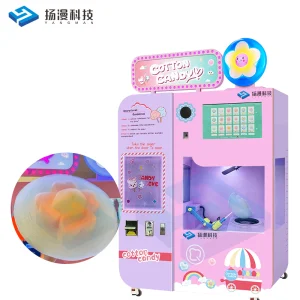
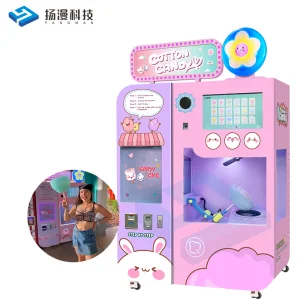
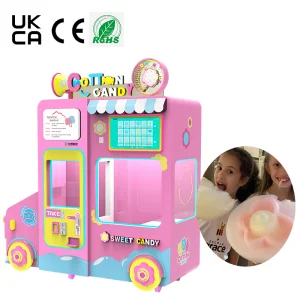
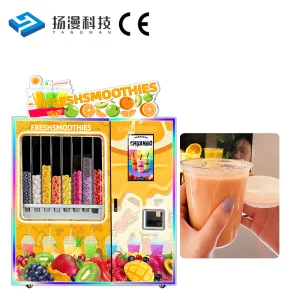
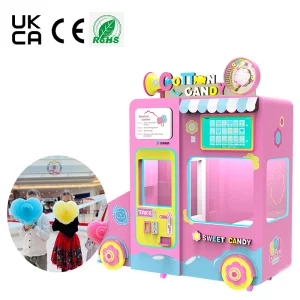
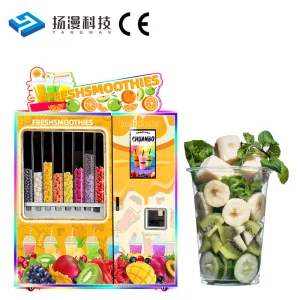
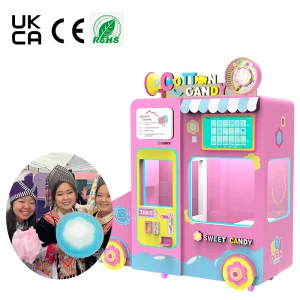
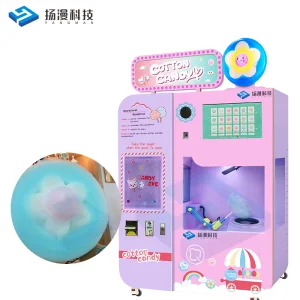
  • Sensory Engagement & Customization: Consumer search data demonstrates that modern audiences value theatricality. Robotic preparation modules—such as flower-forming cotton candy machines or customized DIY fruit smoothie interfaces—maximize visual engagement, driving immediate social media exposure and foot traffic.
  • IoT Integration & Telemetry: Enterprise operators require live telemetry diagnostics. Modern configurations must allow operators to monitor sugar supply levels, cup inventory, mechanical status, and hourly sales data remotely, utilizing centralized APIs or dedicated cloud-based dashboards.
  • Eco-Friendly Operations & Minimal Waste: As environmental mandates tighten in the European Union and North America, commercial smoothie and beverage dispensers must employ high-precision volume dosing to control ingredient portions within ±1 gram tolerances. This mitigates waste and maintains consistent unit margins.
  • Advanced Payment Architecture: Modern units require plug-and-play support for MDB/DEX protocols, integrating banknote/coin receptors alongside global contactless payment systems such as Nayax, Credit Cards, Apple Pay, and local QR code formats.

Global Procurement Needs

A summary of core compliance and technical expectations from international buyers.

Compliance Frameworks:
CE, RoHS, UL, NSF Certification Standards.
Supply Chain Origin:
Direct-from-factory OEM/ODM design capabilities.
Power Adaptability:
110V/220V dual-frequency capability with region-specific plug formats.
Customization Capabilities:
Custom chassis, decals, touch UI graphics, and telemetry setups.
150+
Exporting Countries Served
24/7
Autonomous Uptime Potential
<45s
Average Production Cycles
100%
Food-Grade Components

3. China Industry 4.0: Supply Chain Resiliency & Manufacturing Efficiency

Selecting a top-tier Chinese manufacturing partner provides critical strategic advantages for global businesses seeking scalable solutions. China's Industrial 4.0 framework is built around vertical integration, cluster logistics, and automated manufacturing pipelines.

The Cluster Manufacturing Advantage: In key manufacturing corridors, specialized component vendors—supplying micro-motors, touch screens, food-grade steel pipes, high-efficiency refrigeration compressors, and injection-molded chassis—are situated within a 50km radius. This geographic density reduces component lead times, allowing rapid prototype turnarounds and efficient mass production scaling.

Resilient Logistics & Component Sourcing: Chinese factories leverage robust national logistics and close proximity to global deepwater ports (such as Shenzhen, Ningbo, and Shanghai). Consequently, transit pipelines remain resilient against geopolitical or regional disruptions. Large-scale component stockpiles, combined with automated manufacturing control systems, shield global buyers from raw material cost fluctuations.

Advanced Testing & Quality Assurance: Before shipping, machines undergo comprehensive QC protocols. These checks cover:

  • High-voltage insulation and electrical safety validation.
  • Continuous cycle stresses (testing robotic arms for over 10,000 movements).
  • Refrigeration pressure tests (confirming zero leakage in smoothie and soft-serve systems).
  • Touch panel response cycles and payment platform simulation.

4. Localized Application Scenarios: Maximizing ROI

Modern smart beverage and dessert machines perform exceptionally well across diverse locations:

Transit Hubs & Airports

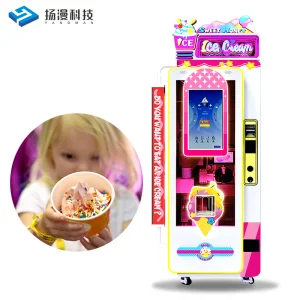
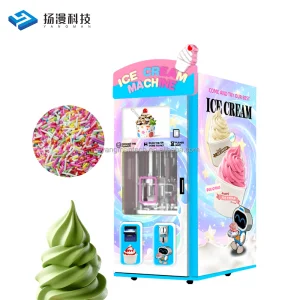
High foot traffic, variable passenger schedules, and labor shortages make airports ideal environments for automated beverage options. Smart smoothie dispensers and ice cream machines operate 24 hours a day, generating consistent revenue without requiring onsite staff.

Fairs, Theme Parks & Festivals

At entertainment destinations, customer engagement and high throughput are essential. Automated cotton candy dispensers draw audiences with theatrical visual preparation, turning simple ingredients into high-margin confectionery products.

Corporate & Leisure Micro-Markets

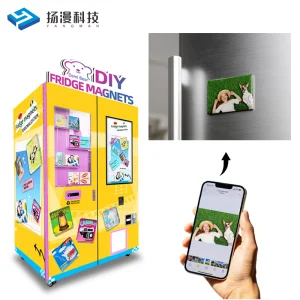
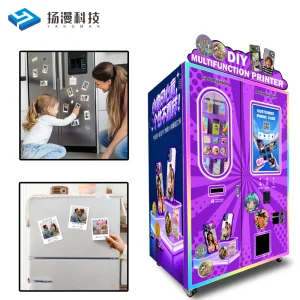
Integrating interactive systems, such as custom phone case printers or DIY fridge magnet dispensers, alongside smart beverage hubs enhances user engagement. These systems transform workplace breakrooms and hotel lobbies into creative retail environments.

5. Performance Matrix: Smart Vending vs. Traditional Beverage Bars

Performance Metric Smart Automated Vending (IoT) Traditional Beverage Counters
Labor Cost Near-zero; required only for raw material replenishment. High; requires trained operators and multi-shift rotas.
Footprint Required Compact; typically 1.2 to 2 square meters. Large; requires counter space, preparation zones, and water lines.
Uptime Capacity Continuous 24/7/365 (excluding maintenance downtime). Limited; restricted by staff availability and local labor laws.
Hygiene and Safety Fully enclosed preparation bays; automated cleaning cycles. Manual washdown processes; higher risk of biological contamination.

6. Technical Frequently Asked Questions (FAQ)

Expert answers addressing the practical, technical, and operational requirements of industrial automated beverage and dessert machinery.

Q: How do these automated dessert and smoothie machines maintain required sanitary conditions?
A: Automated beverage and dessert systems utilize integrated CIP (Clean-In-Place) architectures. For smoothie and soft-serve systems, this includes hot-water flush routines and food-grade sanitizing cycles run at preset intervals. Preparation areas are enclosed behind optical sensor doors to protect food preparation environments from external particulates.
Q: Can payment processors in these machines support local currencies and regional cards?
A: Yes. All machine control systems feature MDB (Multi-Drop Bus) compatibility. This supports integration with local telemetry units (such as Nayax) to process regional credit cards, NFC mobile wallets, and custom QR payment options (such as WeChat Pay, KakaoPay, or Pix).
Q: What is the typical lead time for custom OEM or ODM orders?
A: Standard configurations ship within 15–20 working days. Custom projects requiring structural chassis alterations, custom decals, bespoke touch-screen software, or specialized telemetry protocols typically take 35–45 days. This timeline allows for thorough testing and engineering approvals.
Q: How are power and electrical systems configured for overseas operations?
A: Power systems are built to meet the specifications of the destination market. We offer 110V/60Hz configurations for North American systems and 220–240V/50Hz setups for European, Australian, and Asian networks, ensuring full compatibility with local electrical grids.
Q: How are spare parts and technical support handled under warranty?
A: Equipment includes a comprehensive warranty on all structural elements. Replacement parts, such as micro-motors, cooling valves, and control boards, are dispatched via air freight. Technical assistance is provided by dedicated engineers via live video diagnostics and direct system access.