Imler
Imler
Imler
Imler
Explore our curated selections of intelligent beverage generation, automated concession hardware, and multi-channel interactive touch-screen vending platforms, engineered to optimize high-traffic commercial touchpoints.
The commercial food and beverage sector is undergoing a massive transformation driven by robotics, precision thermal engineering, and telemetry. No longer limited to basic drip systems, modern commercial facilities utilize multi-channel dispensing architectures that integrate high-pressure water loops, powder mixing modules, and mechanical kinematics. This shift satisfies two critical market demands: absolute consistency in product output and unattended operational capability.
From standard commercial espresso units to advanced multi-flavor smoothie dispensers and robotic confection terminals, the underlying technology depends on solid fluidics, real-time telemetry, and modular hydraulic blocks. B2B operators are increasingly targeting turnkey supply chains that offer robust SDK/API configurations. This allows new vending and brewing hardware to seamlessly link with proprietary POS systems, enterprise resource planning (ERP) databases, and regional payment pathways.
By utilizing advanced PLC control loops and digital interfaces, operators can monitor flow meters, heating element temperatures, and product levels from central offices. This transition from reactive troubleshooting to predictive maintenance minimizes downtime, ensuring maximum ROI in high-traffic locations like transit stations, corporate offices, and amusement zones.
To help procurement managers find the right manufacturing partners, this comparative matrix contrasts regional competencies across leading automated brewing and smart vending equipment hubs.
| Supply Hub Region | Primary Product Focus | Customization Capabilities | IoT & SDK Integration | Lead Times & Scalability |
|---|---|---|---|---|
| Shenzhen/Guangdong (China) | Robotic dispensers, smart coffee systems, multi-channel vending | High (Full OEM/ODM, PCB-level customization) | Advanced open API, cloud management platforms | Rapid (15–30 days, high scalability) |
| Lombardy / Emilia-Romagna (Italy) | Traditional espresso modules, super-automatic coffee brewers | Medium (Predetermined modular formats) | Moderate (Proprietary telemetry loops) | Extended (45–75 days, medium scalability) |
| Baden-Württemberg (Germany) | Industrial-grade heavy-duty coffee makers, grinders | Low (Rigid engineering frameworks) | High (Structured industrial protocols) | Extended (60–90 days, low flexibility) |
| Zurich / Solothurn (Switzerland) | Ultra-premium commercial bean-to-cup stations | Low (Focus on standard premium lineups) | High (Highly secure, closed systems) | Long (60–90 days, specialized production) |
| Illinois / California (USA) | Smart commercial dispensers, cloud retail systems | Medium (Software adaptations focus) | Excellent (US-focused payment ecosystems) | Medium (30–60 days, assembly focused) |
Selecting the right hub involves balancing raw mechanical quality with software adaptability. For example, while European manufacturers are known for high-end extraction dynamics, Chinese factories offer unparalleled flexibility in software integrations (including direct SDK access) and custom hardware adjustments. This flexibility is key for deploying unique user interfaces or integrating local, alternative payment methods.
To understand the engineering behind these platforms, we look at the interaction between hydraulic pressure, temperature control, and kinematics. Modern high-volume automated drink systems rely on precision loops designed to handle varied viscous liquids, custom powders, and hot water delivery.
Traditional beverage machines suffer from heat fluctuation under peak usage. Today's systems employ dual-boiler systems managed by PID (Proportional-Integral-Derivative) controllers. By pulsing energy to the heating elements based on real-time flow rate data, water temperature is stabilized within ±0.5°C, ensuring consistent beverage profiles during back-to-back dispensing cycles.
Modern setups feature comprehensive IoT setups. Built-in industrial single-board computers (often Android or Linux based) run the customer interface while transmitting machine diagnostics to cloud servers. Through open APIs, fleet operators track cup yields, monitor ingredient quantities, detect motor failures, and push screen updates over-the-air (OTA).
The future centers on automated self-cleaning cycles (Clean-in-Place - CIP systems) and sensor arrays that flag pump wear before breakdown. Machine-learning algorithms analyze mechanical sound profiles and electrical current spikes to identify line blocks or component degradation, prompting preventive technician dispatches.
Sourcing beverage preparation platforms from Chinese factories offers clear supply chain benefits that go beyond simple cost savings. Regions like Guangdong and Zhejiang contain dense manufacturing clusters where raw materials, microprocessors, sheet metal fabrication, and fluidics experts are located in close proximity. This vertical integration allows for rapid product iterations that are difficult to replicate elsewhere.
Modifications to sheet-metal configurations, dynamic UI layouts, or custom hydraulic pump setups can be engineered, tested, and implemented in days, rather than months.
Proximity to major component manufacturers (pumps, solenoid valves, compressor units, LCD screens) reduces transit cost, yielding highly competitive FOB prices.
Leading Chinese exporters operate under ISO9001 frameworks, conducting high-temperature stress tests, pressure decay tests, and detailed electronic diagnostics before shipment.
Furthermore, these factories are skilled at integrating Western payment modules (such as Nayax, Ingenico, and CPI credit card readers) and setting up localized currency configurations. This ensures that the machinery arrives ready to operate, minimizing setup delays for international distributors.
Automated beverage and snack systems perform best in environments with consistent foot traffic and high labor costs. Below are key deployment settings where these platforms offer distinct operational advantages:
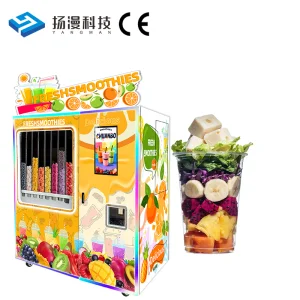
Airports, train stations, and bus terminals require 24/7 service. Automated beverage stations provide high-quality protein shakes, fresh smoothies, and hot coffee without requiring overnight staffing, maximizing revenue from late-night and early-morning travelers.
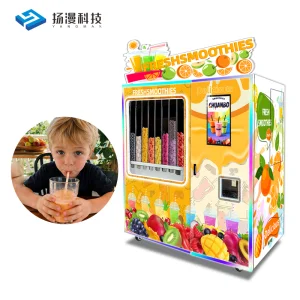
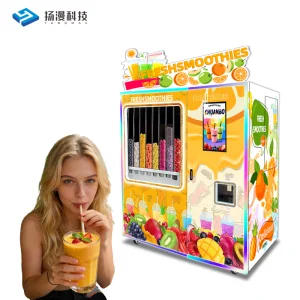
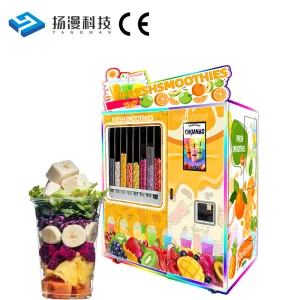
Integrating 8-channel high-yield protein smoothie vending machines in gyms offers members instant, customizable nutrition. Providing post-workout protein shakes via automated dispensers simplifies front-desk tasks and creates a steady auxiliary revenue stream.
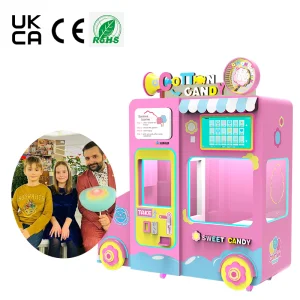
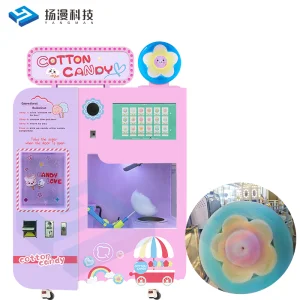
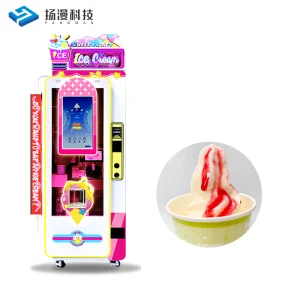
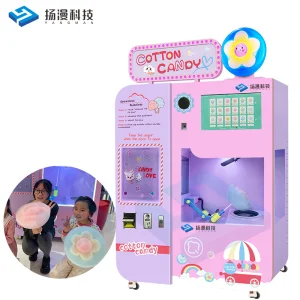
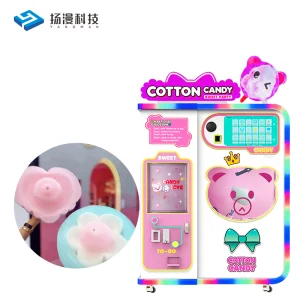
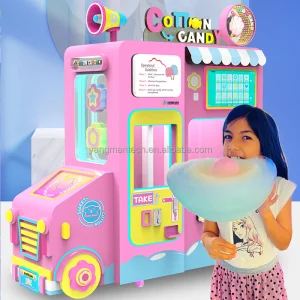
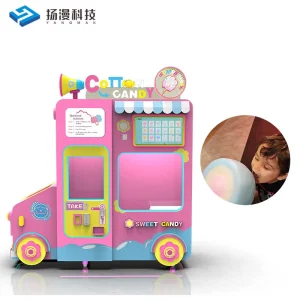
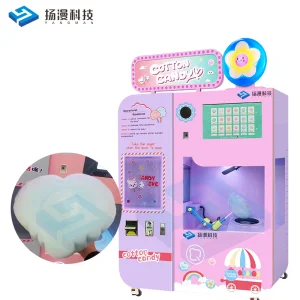
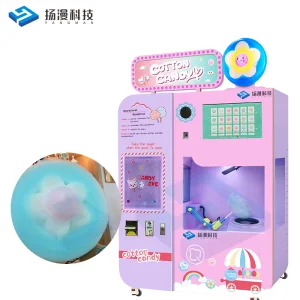
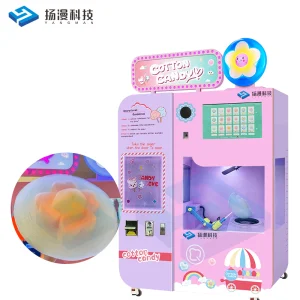
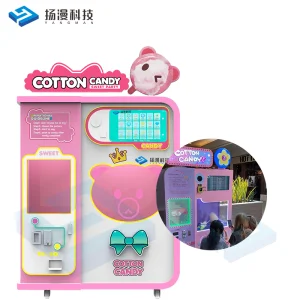
Interactive systems like automated cotton candy robots and premium ice cream dispensers double as entertainment for families. Their visually engaging preparation cycles capture attention, boosting impulse purchases in high-foot-traffic leisure environments.
Sourcing equipment internationally requires strict adherence to regional safety, sanitation, and electrical codes. Standard operations cannot proceed without proper approvals, which vary significantly by jurisdiction.
Electrical & Mechanical Safety: For deployment in North America, systems must carry UL (Underwriters Laboratories) or equivalent ETL markings, demonstrating compliance with UL 751 (vending machines) or UL 197 (commercial electric cooking appliances). In the European Union, the CE Mark is mandatory, requiring compliance with the Low Voltage Directive (LVD) and Electromagnetic Compatibility (EMC) standards.
Food Safety & Hygiene: Any component that touches water, powder, or syrup must be constructed from food-grade materials. Look for suppliers using NSF/ANSI 18 (manual food and beverage dispensing equipment) or NSF/ANSI 25 (vending machines for food and beverages) certified tubing, valves, and mixing chambers. These materials must resist biofilm buildup and withstand regular Clean-in-Place (CIP) sanitation protocols using standard chemical agents.
Payment System Compatibility: To accept credit cards, mobile wallets, and cash, the master control board must support the Multi-Drop Bus (MDB) and DEX communication protocols. This standardization allows operators to install telemetry devices like Nayax Onyx or CPI Alio, facilitating cashless payments and transmitting sales data to route management software.
Get answers to the most common technical questions asked by commercial buyers, distributors, and franchise operators when evaluating automated beverage and dispensing systems.
Explore our additional range of commercial beverage prep machines, automated candy dispensers, and custom DIY retail robotics designed for modern retail environments.