 Imler
Imler
Imler
Imler
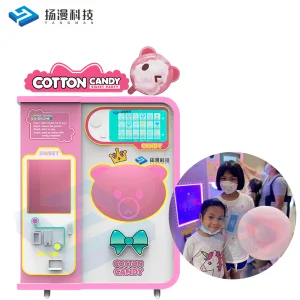 Customize DIY Model OEM ODM Factory Netherlands Fully Fully Automatic Cotton Candy Vending Machine Cotton Candy Has 25 Languages
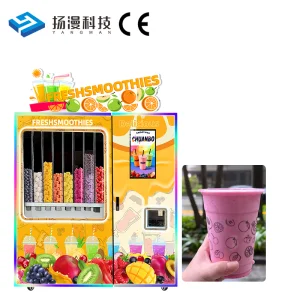 Factory Direct 8-10 Types Fresh Fruit & Veggie Smoothie Vending Machine with Large Capacity Smart Storage System
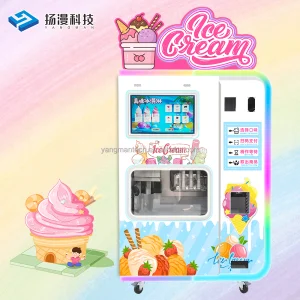 New Automatic Ice Cream Vending Machine Soft Serve Ice Cream Vending Machine for Shopping Mall Amusement Park
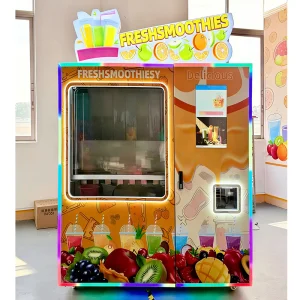 Eco-Friendly Minimal Waste Commercial Smoothie Machine with High Efficiency & Fast Output for High-Traffic Scenarios
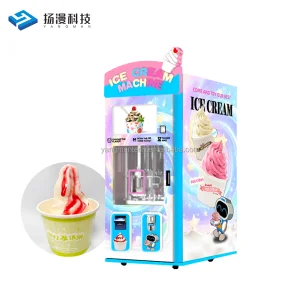 Custom Ice Cream Vending Machine Automatic Soft Ice Cream Vending Machine Multiple Flavors Ice Cream Vending Machine
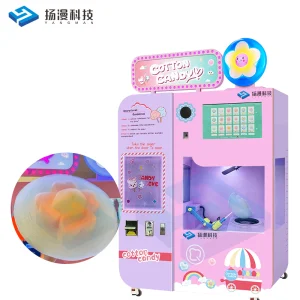 Commercial Making Coin Operated Full Automatic Fancy Candy Cotton Vending Machine Vending Machine Trending Vending Machine
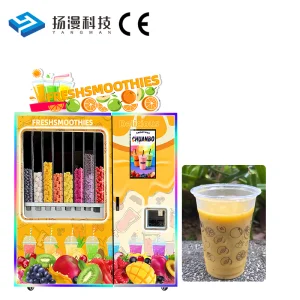 Energy-Efficient Commercial Smoothie Vending Machine with 220V/110V Voltage 32-inch Touch Screen Multi-Language Support
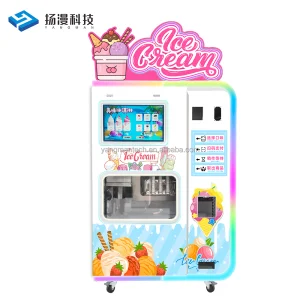 Unmanned 24 Hours Fully Automatic Self Service Coin Operated Ice Cream Vending Machine Robot Ice Cream Vending Machine
The global coffee brewer market has transitioned from simple extraction devices to sophisticated, IoT-integrated ecosystem components. For enterprises, procurement is no longer just about the "cup of joe"; it is about reliability, extraction consistency, and thermal stability. As Google’s Search Quality Rater Guidelines emphasize, Expertise and Authoritativeness are paramount when selecting a manufacturing partner. This guide provides deep-tier analysis into the manufacturers shaping the industry, focusing on technical specifications that provide genuine Information Gain for procurement officers and business owners.
The gold standard for commercial high-volume brewing. Known for their "Wave" technology and extreme durability in fast-food environments.
Dominating the "prosumer" market with integrated grinders and PID temperature control, bringing cafe-quality to the executive office.
A powerhouse in bean-to-cup automation, offering proprietary latte-crema systems that prioritize user convenience without sacrificing texture.
The pinnacle of Swiss engineering. Their Pulse Extraction Process (P.E.P.©) optimizes extraction time for professional-grade espresso.
Hand-crafted excellence. For businesses where brand image and premium quality are non-negotiable, La Marzocco remains the artisan's choice.
Pioneers of the "G3" digital control system, allowing precise control over pulse brewing, pre-infusion, and bypass.
Certified by the ECBC, these brewers are focused on the perfect 92-96°C brewing temperature and copper heating elements.
The leader in pod-based convenience, ideal for high-traffic low-maintenance environments like waiting rooms and office pods.
Integrating modular tech with AI touchscreens, Franke offers total customizability for self-service scenarios.
Leading the Next-Gen Smart Vending and brewing wave. Combining high-efficiency Chinese manufacturing with global IoT compliance.
Chinese factories offer unparalleled agility in customizing hardware and software. Whether it is a 25-language UI or specific voltage requirements (110V/220V), the integration speed is unmatched globally.
Leveraging China's tech ecosystem, modern brewers now feature real-time telemetry, remote inventory management, and AI-driven preventative maintenance alerts.
By centralizing the component supply chain (from thermal sensors to high-pressure pumps) in hubs like Guangdong and Zhejiang, manufacturers achieve 30-40% cost reduction without compromising industrial-grade durability.
Ensuring your equipment meets regional standards is non-negotiable for global scalability.
Compliance with European and North American electrical safety standards. All high-quality manufacturers now provide full documentation to facilitate customs clearance.
Support for 25+ languages, ensuring that user interfaces (UI) are accessible to diverse global markets, from the Netherlands to Japan.
Seamless integration with local payment systems like Nayax, MDB, and various e-wallets, critical for unattended coffee vending.
A: Typically, for a standard OEM order with UI localization, lead times range from 30 to 45 days. Fully customized hardware designs may take 90-120 days.
A: High-end manufacturers utilize digital flow meters and PID controllers to maintain water temperature within ±0.5°C and pressure within ±0.2 bar.
A: Yes, top-tier suppliers offer dual-voltage configurations (110V/220V) and 50/60Hz compatibility to suit any geographic region.
A: With regular maintenance and scale prevention, a professional machine is designed for 7-10 years of service, even in high-traffic scenarios.
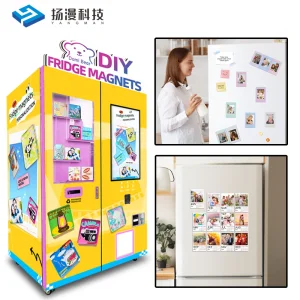 Manufacture Factory New Arrival Touch Screen DIY Fridge Magnet Vending Machine Intelligent Automatic Printing Machine 110V/220V
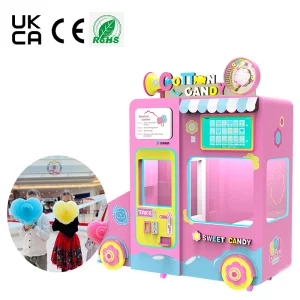 OEM ODM Customize New Candy Floss Vending Machine Intelligent Full Automatic Cotton Candy Machine with Advertising Screen
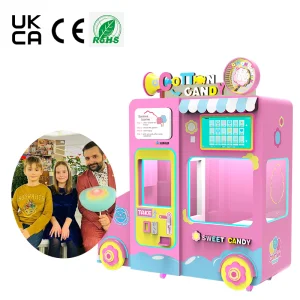 OEM ODM Factory Intelligent Touch Screen Commercial Cotton Candy Fairy Floss Vending Machine Fully Automatic Cotton Candy Robot
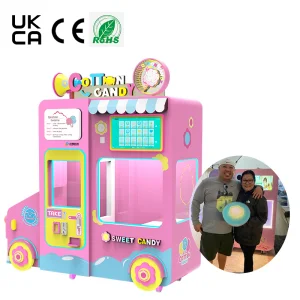 OEM ODM Commercial Cotton Candy Machine Automatic Flower Cotton Candy Vedning Machine Robotic Candy Floss Machine
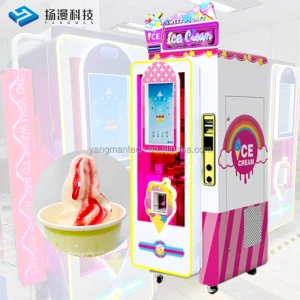 OEM ODM Factory Manufacture Ice Cream Vending Machine With Touch Screen Automatic Vending Machine for Ice Cream
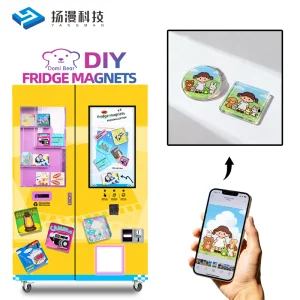 OEM ODM Self Service DIY Fridge Magnet Vending Machine Automatic Smart Printing Machine
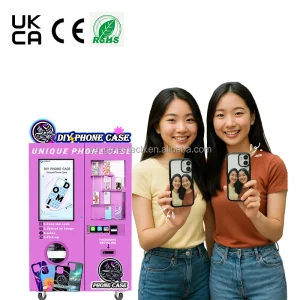 OEM ODM Phone-case-printing-machine Customized Automatic Phone Case Printer Vending Machine Diy Vending Machine Phone Case
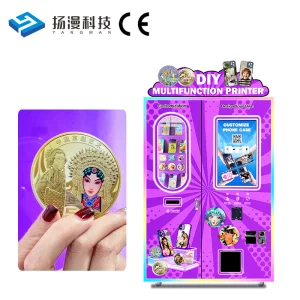 Factory Customized Vertical OEM ODM Fully Automatic DIY Badge Making Vending Machine Self-service Unattended for Shopping Mall