Imler
Imler
Imler
Imler
Explore our state-of-the-art interactive smart retail systems engineered for immediate ROI and custom deployment.
Siphon brewing—often referred to as vacuum coffee extraction—is widely acknowledged by sensory analysts and product engineers as the ultimate methodology for capturing the complete terpene and lipid profile of premium coffee beans. Unlike standard gravity-fed drip systems, our custom-engineered vacuum coffee makers utilize precise gas-expansion dynamics to control brewing metrics systematically.
During the heating cycle, vapor pressure drives water upward through the transfer tube at an optimized extraction range of 91°C to 95°C, eliminating the risk of thermal scalding commonly found in lower-end consumer brewers.
Once the heat source is deactivated, the cooling chamber generates a negative pressure differential, filtering the infusion under a controlled vacuum pull of up to -0.4 bar, yielding a sediment-free, exceptionally clean cup profile.
Using ultra-low thermal expansion borosilicate glass (class 3.3) paired with high-tensile food-grade PCTG polymers, our systems resist thermal stress up to 280°C and prevent micro-fissuring under continuous cycling.
As a tier-one OEM/ODM vacuum coffee maker and commercial automated kiosk manufacturer based in China's industrial heartlands, we bridge the gap between initial mechanical prototyping and high-throughput production lines. Our facility operates at the nexus of raw material accessibility, advanced tooling execution, and smart electronics assembly.
Developing a high-performance siphon coffee maker or an automated beverage dispenser requires precise structural alignments. Our internal mold-making workshop features high-speed CNC milling, EDM machinery, and automated plastic injection molds capable of handling tolerances down to ±0.02mm. This ensures that every vacuum seal, snap-fit casing, and electronic controller housing interfaces seamlessly without structural fatigue or vapor leaks.
By positioning our production hubs in regional clusters with immediate access to component manufacturers (sensors, specialty glass tubing, food-safe silicone gaskets, and optical touch panels), we dramatically reduce lead times for major retail groups and direct-to-consumer appliance brands. All logistics pipelines are fully optimized, providing streamlined container consolidation, Customs compliance, and FOB/CIF delivery structures.
The modern global consumer demands convenience without sacrificing product quality. Whether for a high-end kitchen counter or an unmanned interactive commercial environment (such as shopping malls, amusement parks, or transit hubs), the convergence of vacuum extraction and automated retail systems represents the next evolutionary step in beverage and gift customization.
For hotels, upscale offices, and premium cafes, our premium automated siphon units offer consistent brewing parameters, ensuring sensory repeatability across multiple locations without relying on highly skilled baristas.
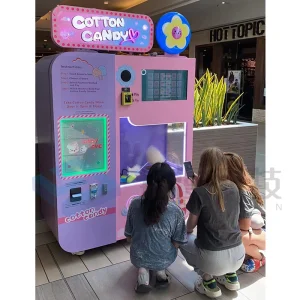
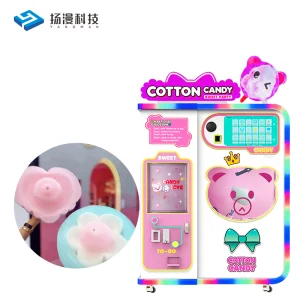
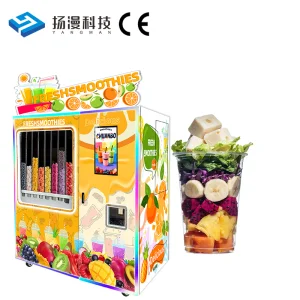
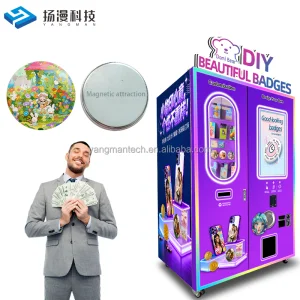
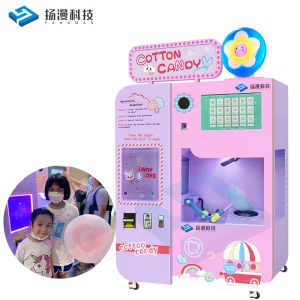
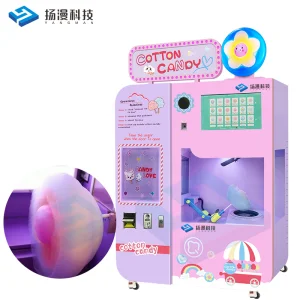
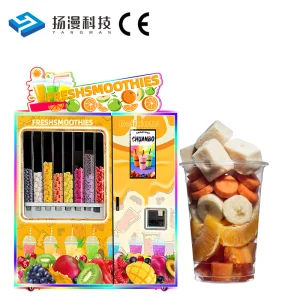
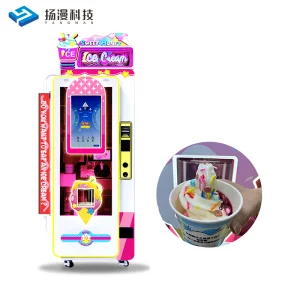
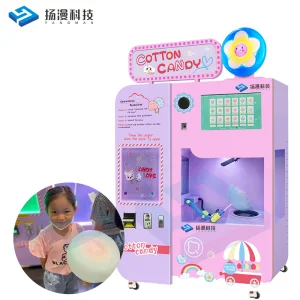
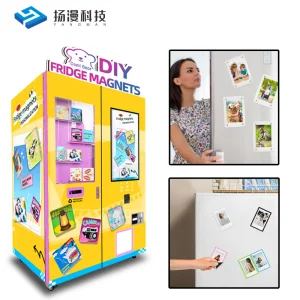
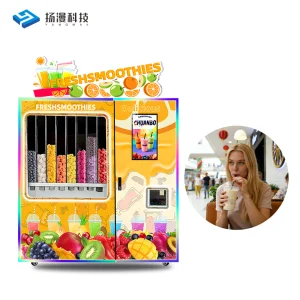
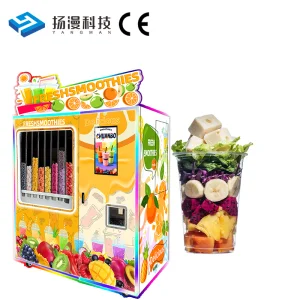
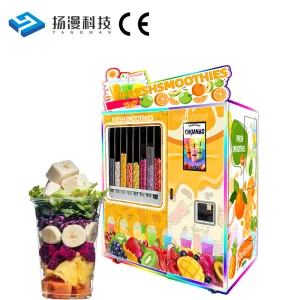
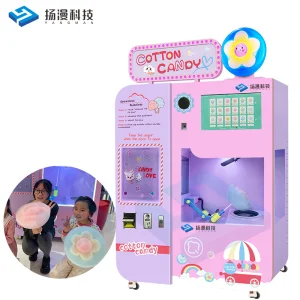
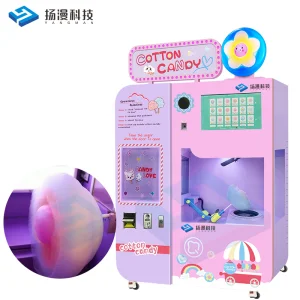
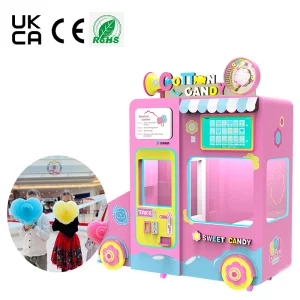
By adapting the core principles of high-pressure fluid dynamics to automated vending modules, we supply customized smoothie systems, robotic candy dispensers, and DIY printing machines with visual operational windows.
Modern commercial operations require complete visibility. Our systems integrate cloud data pathways via Wi-Fi/4G, providing diagnostic reporting, component temperature monitoring, and error alerts to maximize uptime.
Operating as a trusted international exporter demands absolute compliance with localized regulations. We maintain a zero-tolerance quality control infrastructure across our supply chain to support the reliability guarantees required by multinational brand owners and B2B buyers.
Every component that interacts with raw food materials, high-temperature liquids, or vapor undergoes heavy-metal migration testing. Our borosilicate glassware and high-durability copolyester plastics conform strictly to EU regulation (EC) No 1935/2004, FDA CFR 21 standards, and the stringent German LFGB food safety guidelines. Elastomer seals are formulated with FDA-grade Liquid Silicone Rubber (LSR) to guarantee zero VOC leaching under pressurized steam conditions.
To assure seamless entry into global target markets, our product portfolio carries the necessary certification marks: CE (European Conformity), RoHS (Restriction of Hazardous Substances), UL (Underwriters Laboratories), and FCC compliance. Every batch is subjected to high-voltage dielectric breakdown tests, earth resistance checks, and electromagnetic compatibility diagnostics before packaging.
From a conceptual drawing to a fully localized appliance or smart vending kiosk sitting in a retail park, our step-by-step product realization pathway is engineered to minimize design errors, accelerate development, and de-risk your investment.
We translate sketches into functional 3D CAD files, factoring in ergonomics, airflow requirements, and electrical housing limits.
Functional 3D prints, CNC metal prototypes, and pre-production PCB runs are analyzed for thermal and structural load failures.
Precision multi-cavity injection molds and steel dies are manufactured to maintain long-term product consistency.
Lean assembly lines, computerized functional testing jigs, and rapid product packing systems guarantee fast turnaround times.
Clear answers from our engineering and logistical experts to streamline your purchasing process.
For customized OEM/ODM vacuum coffee makers or smart interactive kiosks, the tooling phase generally requires 35 to 45 calendar days to produce a T1 sample. Once the functional prototypes are approved by the client, mass production typically runs between 30 and 40 days, depending on unit order size and customized components.
We use premium borosilicate glass with low thermal expansion properties alongside food-grade, BPA-free copolyester (PCTG) and liquid silicone rubber gaskets. All structural components in direct contact with water or vapor are tested by independent certification bodies (SGS, TUV, or Intertek) to meet FDA, LFGB, and CE regulatory limits.
Yes. Our UI and software teams support complete customized layout designs, application localized translations (multilingual support), logo branding integrations, and specific screen resolution sizing (supporting standard vertical and horizontal formats). We also support payment gateway system connections for vending platforms.
Our vacuum coffee makers and beverage heaters include redundant safety controls. These consist of a thermal fuse for dry-boil cutoff, a high-accuracy NTC thermistor sensor, and programmed automated power deactivation loops controlled by the micro-controller unit (MCU) to prevent hazardous thermal events.
Absolutely. Our power boards are engineered to operate across different voltage profiles. We configure our machines to support 110V-120V at 60Hz for the North American market, 220V-240V at 50Hz/60Hz for Europe, Australia, and parts of Asia, and 100V for Japan. Plug designs are fitted to the regional specifications (Type A, B, C, F, G, etc.).
We offer a standard 12-month factory warranty on critical components (heating units, control boards, touchscreens). For high-volume B2B orders, we typically supply 1% to 2% spare components (such as heating elements, glass vessels, main boards, sensors) packed alongside the primary shipment to ensure minimal delay in local market maintenance.
Enhance your product portfolio and optimize user experience with our premium automated systems.