Imler
Imler
Imler
Imler
Explore our top-tier OEM/ODM-enabled automated systems designed for seamless retail distribution.
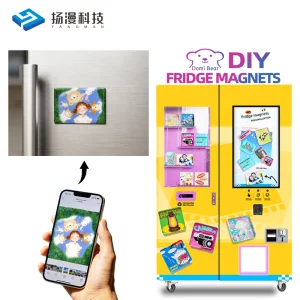
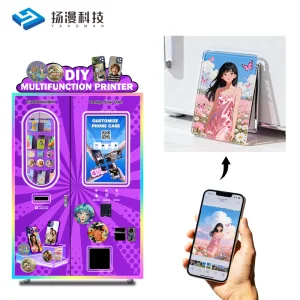
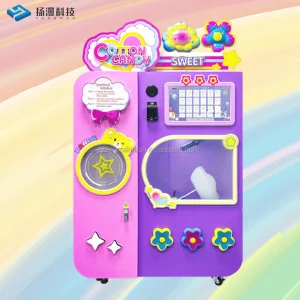
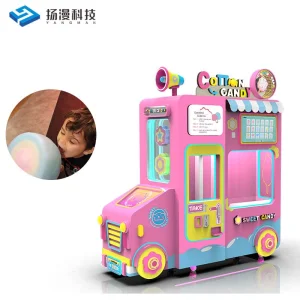

Analyzing global supply patterns, technological integration demands, and operational requirements for Fortune 500 buyers and high-volume commercial chains.
Global corporate procurement seeks high-performance extraction devices. For coffee separators and juice extraction units, this translates to maximum oil/solids recovery with minimal residual waste. Our engineering focuses on precise hydraulic tolerances and force optimization, maximizing output while reducing mechanical friction.
Enterprise-scale fleets demand unified telemetry. Our custom coffee squeeze machines and smart retail devices integrate directly with centralized ERP databases via secure APIs. Real-time logging of cycle times, temperatures, pressure graphs, and maintenance schedules ensures high operational efficiency across large deployments.
Sanitation compliance is critical. We build devices using high-grade SUS304 or SUS316 stainless steel to withstand intensive clean-in-place (CIP) regimens. From automatic clean cycles to sterile extraction components, our designs are optimized to mitigate biological risk and secure regulatory certifications.
Understanding how raw engineering diagrams are translated into finished, market-ready beverage extraction and automated retail hardware.
Collaborative engineering teams translate client specifications into solid-body CAD models. This phase tests stress thresholds, calculates extraction yields under precise loads, and reviews hydraulic dynamics. Using advanced metal prototyping tools, we produce functioning initial designs within 14 working days.
Integrating custom PID heat controllers, high-end pressure pumps, and digital telemetry boards. All firmware undergoes extensive debugging to guarantee stable UI behavior and secure operations across payment processors and dynamic vending arrays.
Parts are stamped, welded, and assembled in dust-free facilities. High-tolerance automated machinery produces identical component sets, ensuring seamless replacement parts. Finished machines undergo structural integrity assessments, pressurized liquid tests, and electrical safety diagnostics before shipping.
An inside look at our engineering direction, focusing on smart resource allocation, dynamic heating modules, and autonomous operations.
Future coffee extraction systems utilize variable-speed pumps driven by real-time flow algorithms. Rather than applying uniform force, these systems adapt dynamically to particle resistance, preventing channel formation and ensuring balanced flavor extraction.
We are transitioning from standard boilers to localized thick-film flash heating elements. These arrays only heat the required volume of liquid per cycle, significantly reducing standby energy consumption and improving thermal response times.
Integrating global eSIM modules and cloud interfaces allows direct monitoring of every device. Fleet managers can easily monitor thermal performance, adjust firmware parameters, and review transaction logs from a centralized dashboard.
How we ensure global entry viability, strict mechanical tolerances, and safety compliance across diverse global markets.
All manufactured extraction and vending devices comply with international regulations, including CE, UL, and FCC standards. Electrical systems are isolated and tested under extreme load conditions to prevent thermal runaways or electronic failure.
Every surface in contact with food is verified for chemical safety. Materials are selected to resist chemical degradation from acidic compounds, maintaining food purity and ensuring compliance with strict FDA and LFGB requirements.
Before packaging, every unit undergoes continuous cycling tests. Sensors verify output consistency, structural integrity, and telemetry performance, ensuring that each machine arrives in optimal working condition.
Answering common engineering and production questions from logistics professionals and procurement managers.
Premium solutions engineered for high productivity, reliability, and modern automated service needs.