Imler
Imler
Imler
Imler
Explore our flagship commercial self-service assemblies, automated beverage solutions, and high-precision consumer electronics components customized at our advanced manufacturing plants.
In the highly competitive commercial and domestic beverage appliance market, the reliability of individual parts dictates the lifecycle performance of the entire unit. As global demand scales toward unattended convenience and smart systems, coffee machine parts engineering has moved beyond basic mechanics into high-precision smart manufacturing.
Highly calibrated heating elements, stainless steel boilers, and cast aluminum thermoblocks engineered to manage thermodynamic fluctuation. Our structures achieve ±0.5°C thermal stability, vital for correct espresso extraction.
High-pressure solenoid valves, rotary vane pumps, and food-grade flowmeters that regulate fluid movement through the machine. Operating continuously up to 19 Bars, our fluidic assemblies are tested for over 500,000 cycles without failure.
Conical and flat grinding burr sets, fabricated with titanium or carbon steel alloy coatings. These parts guarantee micron-level consistency in particle size, reducing thermal transference during the milling phase.
China's industrial landscape offers an unmatched synergy of specialized material sciences, advanced tooling ecosystems, and complete vertical integration, ensuring rapid cycles from initial blue-print to finished OEM/ODM delivery.
From raw metal extrusion and high-precision CNC milling to injection molding and PCB surface mount technology (SMT), our centralized cluster production model drastically reduces shipping latency and interface overhead.
We operate under strict international material protocols. Every part interacting with potable water is certified under food-grade standards including LFGB, FDA, NSF-61, and RoHS compliance directives.
Advanced 3D simulation, injection mold flow analysis, and computer-aided CNC setups enable us to deliver production-grade samples in as short as 15 working days, expediting your time-to-market.
Leveraging automation and scaled manufacturing efficiencies, our facilities provide premium tolerances at fractional costs compared to Western European alternatives, driving higher ROI for global procurers.
The boundaries between traditional espresso systems and high-throughput interactive vending machines are blurring. Modern systems demand modular, telemetry-backed components that communicate vital performance metrics to cloud networks in real-time.
Whether designing high-pressure brewing pistons for commercial espresso bars or robust ice-makers, grinders, and powder dosing mechanisms for unattended smart kiosks, our component suites are designed with a modular ethos.
By unifying core components—like motor drives, heating blocks, and liquid line connectors—our systems minimize assembly overhead and expedite troubleshooting routines for field service operators.
HoReCa Solutions: High-duty cycle espresso groups, milk frothing modules, and automatic cleaning systems engineered for extreme operational environments.
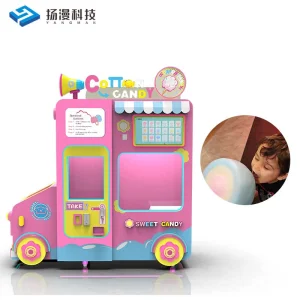
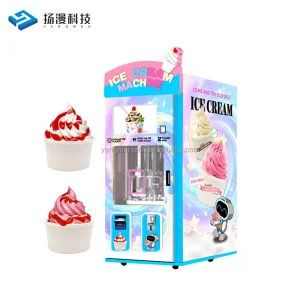
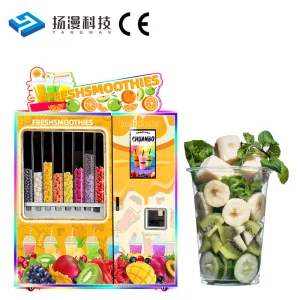
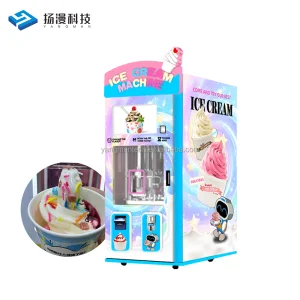
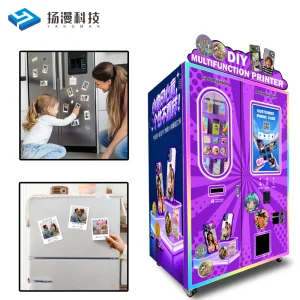
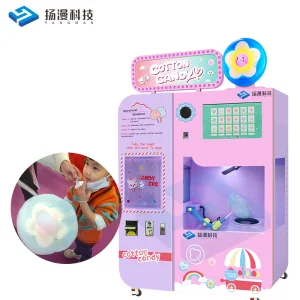
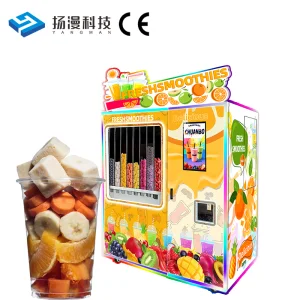
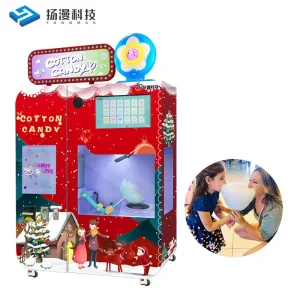
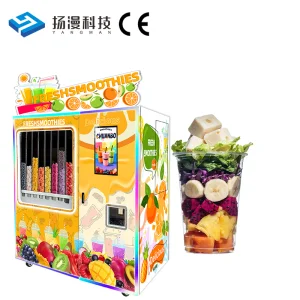
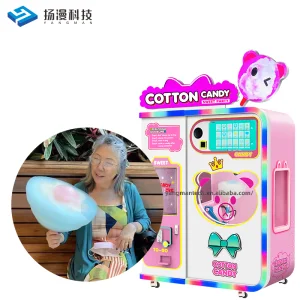
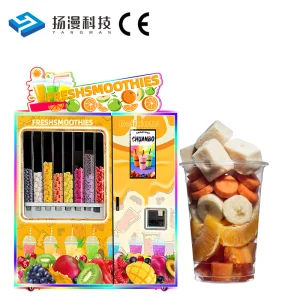
Intelligent Vending: Complete beverage modules designed for cold juices, hot coffees, dynamic ice creams, and cotton candy mechanisms, focusing on self-cleaning, hygienic paths, and structural longevity.
Global Kiosks: High-definition touch displays, dynamic payment systems, and mechanical interfaces built to resist vandalism and handle harsh weather conditions.
Our factories run rigorous diagnostic steps. We minimize variability using robotic production loops and advanced coordinate-measuring machines (CMM).
Critical fluidic components, such as solenoid valves, manifolds, and pumps, undergo structural pressure cycle stress tests up to 2.5 times their maximum rated operating limits to assure safety and mechanical integrity.
Every component along the fluid path uses certified lead-free brass, surgical-grade stainless steel (316L), and medical-grade silicone seals to prevent heavy metal leaching and organic build-up.
Using machine-vision inspection units at critical manufacturing gateways, we capture and resolve assembly defects on electrical control systems and PCB interfaces before final delivery.
Get answers to common queries regarding customization parameters, logistics timelines, quality standards, and design integration options for our global enterprise partners.
Almost every element can be customized, including: boiler capacity and thermal power ratings; motor voltages, torque curves, and gear ratios; grinding burr profiles and specialized hardness coatings; and connector configurations. We can also integrate IoT tracking boards, customized sensor packages (for temperature, pressure, and levels), and custom control PCBs.
All materials that contact water or food utilize certified compounds compliant with FDA, LFGB, NSF, and European Food Contact Regulation EC 1935/2004 standards. Our complete assembly systems and electrical parts also carry CE, UL, CB, GS, and RoHS clearances, enabling direct integration into consumer and commercial machines globally.
For plastic injection molds and custom metal dies, the mold design and manufacturing process generally takes between 25 and 35 days. After the tooling is completed, initial functional prototypes can be produced and shipped to your facilities for validation within 7 to 10 working days.
MOQ requirements vary by component type and processing complexity. Custom CNC-machined metal parts typically require lower minimums (often 100 to 500 units), whereas high-volume injection-molded plastics or proprietary electronic assemblies may have an MOQ of 1,000 units or more to optimize setup costs.
Yes, we specialize in complete modular sub-assemblies. Rather than sourcing individual components, you can procure pre-tested modular functional blocks—such as pre-wired boiler-and-pump manifolds, drop-in grinder units, or pre-configured brewing groups—saving time on your production line.
We protect our clients' IP through strict internal firewalls, non-disclosure agreements (NDAs), and segmented production pipelines. Proprietary molds, CAD files, firmware code, and system schematics are kept on secure offline servers, and access is restricted exclusively to authorized development engineers.
Explore our advanced range of automated systems, mechanical assemblies, and high-profit retail modules manufactured under strict factory tolerances.