Imler
Imler
Imler
Imler
Explore our state-of-the-art robotic and self-service dispensing platforms engineered for commercial high-traffic deployment.
The global commercial beverage landscape is undergoing an unprecedented transition toward automation. As micro-retail models, self-service kiosks, and automated beverage dispensers gain market share, the demand for precision milk frothing and custom fluid dispensing has skyrocketed. No longer restricted to manual espresso bars, automatic milk frothers and commercial liquid-dispensing systems are now vital interfaces in high-end office environments, hospitality sectors, quick-service restaurants (QSR), and unattended smart-vending kiosks.
Modern consumers demand specialty café quality—characterized by silky micro-foam, specific temperature tolerances, and visual consistency—without the wait times or labor overhead associated with traditional barista training. For OEMs and ODMs, this paradigm shift requires integrating high-precision heating, advanced fluid dynamics, magnetic whisk engineering, and IoT telemetry. Whether integrating milk frothing engines inside commercial coffee machines or developing standalone automated beverage systems, manufacturers must design for endurance, thermal control, and absolute hygiene.
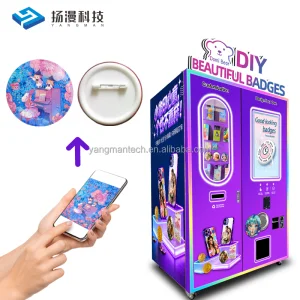
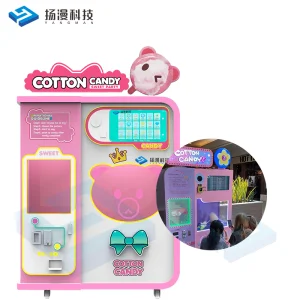
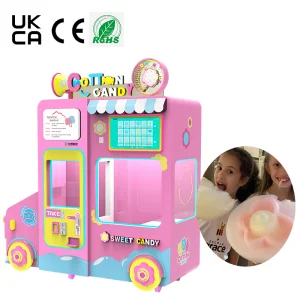
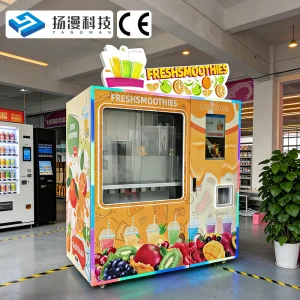
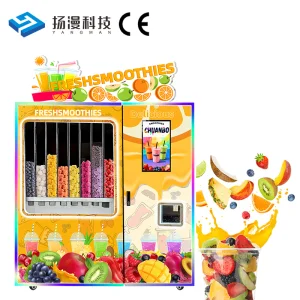
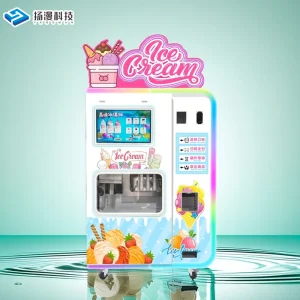
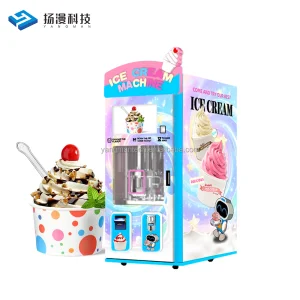
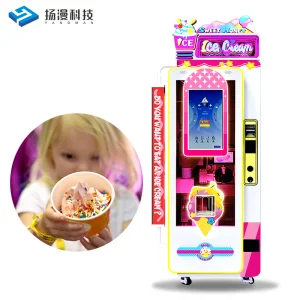
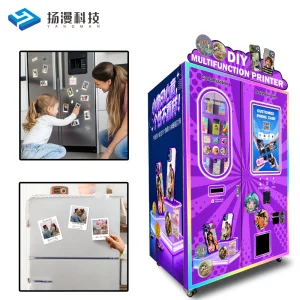
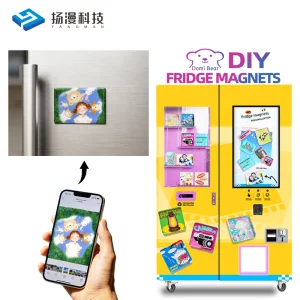
At the center of this industry movement is the convergence of precision kitchen appliance manufacturing with automated robotics. The technology required to froth milk to a consistent 65°C with a micro-bubble structure of less than 0.1 mm is inherently linked to the automated mechanisms that power complex vending kiosks, such as high-capacity smoothie blenders, automated ice cream dispensers, and custom printing micro-factories. The underlying hardware requirements are identical: heavy-duty compressor loops, precise fluid dosing pumps, and solid-state temperature control modules.
Our engineering facilities operate under rigorous global benchmarks, delivering high-throughput equipment built to withstand continuous industrial use.
Developing custom automated beverage preparation and milk frothing equipment requires deep technological integration. Standard shelf-ready designs fail to meet the localized requirements of global brands. A robust OEM/ODM framework must address structural, mechanical, electrical, and telemetry constraints dynamically.
Utilizing Instantaneous Steam Generators or Thick Film Heating Elements (TFH) instead of traditional boilers. This reduces pre-heating times from minutes to under 5 seconds, providing on-demand steam for milk texturing with extreme energy efficiency.
Accurate aeration is controlled via electronic proportional valves regulating air injection into the milk stream. The system adjusts for milk fat percentages, allowing seamless adaptation between whole dairy milk, oat milk, almond milk, and soy options.
Milk contains fats and pathogens that spoil rapidly. Our built-in Clean-In-Place (CIP) technology initiates automated hot-water flushes and chemical cleaning cycles post-dispensing, keeping equipment compliant with international NSF and FDA requirements.
As a global supplier, our ODM framework allows external software integration. We offer comprehensive API documentation and hardware SDKs, enabling customers to run customized payment systems, loyalty apps, and telemetry platforms directly on the machine's onboard processor. This bridges the gap between mechanical food preparation and modern enterprise resource planning (ERP) platforms.
China's industrial landscape has transitioned from simple component assembly to high-precision, vertically integrated advanced manufacturing. Partnering with a Chinese factory for OEM/ODM milk frothing and automated dispensing equipment offers deep structural advantages across the supply chain, production, and R&D cycles.
| Manufacturing Parameter | Traditional Regional Sourcing | Integrated Chinese Advanced Factory | Strategic Impact |
|---|---|---|---|
| Supply Chain Ecosystem | Segmented regional components, high cross-border shipping delays. | Clustered industrial zones (valves, heating elements, injection molds in close proximity). | Shortened bill-of-materials (BOM) sourcing times and immediate prototyping. |
| Prototyping & Iteration | 6–12 weeks per engineering iteration. | 10–14 working days using localized 3D printing and tooling labs. | Rapid time-to-market (TTM) for time-sensitive commercial projects. |
| Quality Control (QC) Protocols | Manual periodic testing, high defect tolerances. | Inline automated optical inspection (AOI), computerized hydraulic test rigs, and complete lifecycle aging rooms. | Extremely low RMA rates (<0.5%), critical for maintaining operations in remote unattended sites. |
| Scalability | Fixed monthly outputs; difficult to scale for large rollouts. | Flexible production lines with rapid scaling capabilities. | Easy fulfillment of nationwide or global enterprise rollouts. |
Furthermore, our manufacturing site integrates tooling facilities, sheet-metal punching, electronics assembly, and cleanroom fluid testing in a single location. This vertical integration allows for comprehensive quality control at every phase of production. We trace every raw material batch, from the non-toxic food-grade silicone tubes to the CNC-machined steel whisks, matching standard regulatory codes for the European Union (CE, RoHS), North America (UL, NSF), and Asia-Pacific regions.
Automatic beverage preparation and milk frothing platforms are deployed across a variety of settings. Each environment presents distinct hardware and user-experience constraints, demanding specialized configuration options:
In high-end corporate offices, speed and ease of maintenance are essential. Standalone units with clear touchscreen user interfaces, simple milk reservoir configurations, and automatic steam-purge functions reduce daily maintenance requirements for office staff while providing consistent café-quality beverages.
For operations in shopping malls, subway stations, and public parks, equipment must operate reliably 24/7. These environments utilize rugged steel enclosures, secure cashless payment terminal integrations, large-capacity supply hoppers, and 4G/5G remote management telemetry systems to report ingredient levels and errors in real-time.
QSRs prioritize speed and consistency. Dual-hopper machines with heavy-duty pump modules ensure fast, simultaneous milk texturing and coffee extraction, keeping service lines moving during peak hours while ensuring every recipe matches brand standards.
The next generation of automatic milk frothers and automated beverage dispensers is defined by three core technologies: IoT cloud analytics, sustainable energy management, and dynamic fluid control.
IoT Cloud Analytics & Predictive Maintenance: Operators managing a fleet of machines cannot afford unexpected downtime. Modern machines transmit real-time telemetry data, tracking heater cycles, pump wear, and temperature curves. Machine learning models analyze this data to predict component wear before failure, scheduling maintenance dynamically to reduce operational downtime.
Sustainable Eco-Design: Modern standards demand energy-efficient systems. Standard boilers are being replaced by high-performance heating blocks that draw power only during active brewing. Precision flow meters and smart insulation reduce standby heat loss, helping commercial buyers meet sustainability requirements while lowering operating costs.
Dynamic Aeration Technology: With the growing demand for plant-based milks, standard mechanical frothing is no longer sufficient. Modern systems feature air-injection valves controlled by digital processors that adjust the air volume and steam pressure in real-time, matching the protein and fat content of the selected milk to ensure ideal micro-foam quality every time.
For B2B procurement officers, sourcing automated beverage kiosks or milk frothing assemblies involves balancing cost efficiency with long-term reliability. Below is a strategic checklist for evaluating potential manufacturing partners:
Technical answers to common questions about commercial beverage automation, OEM/ODM processes, and compliance.
Generally, the development cycle ranges from 3 to 6 months. This includes conceptual CAD design (2-3 weeks), prototype manufacturing and initial validation (4-6 weeks), certifications (4-8 weeks), and tooling creation followed by pilot production (6-8 weeks). Standard modifications on existing platforms can be completed faster.
We construct all internal flow paths using medical-grade Teflon or food-grade 316 stainless steel. Our machines feature automated Clean-In-Place (CIP) systems that use pressurized steam and hot water to sanitize milk conduits at set intervals, preventing residue buildup and bacterial growth.
Yes, our systems include adjustable aeration settings. Users can configure the steam pressure, milk draw rate, and air injection through the system settings, allowing the machine to adapt to the lower protein densities of plant-based milks and produce stable micro-foam.
Our systems support standard payment protocols, including MDB, DEX, Pulse, and RS-232 interfaces. They can be integrated with credit card readers (such as Nayax or Ingenico), mobile payment systems, QR readers, and customized RFID membership cards.
Our facilities operate under ISO 9001:2015 frameworks. Every unit undergoes automated pressure testing, electrical safety checks, dynamic dosing validation, and a continuous 24-hour test run before final packaging, ensuring high out-of-box reliability.
Discover our full lineup of advanced automated systems, from custom printing stations to soft-serve kiosks.