Imler
Imler
Imler
Imler
Explore our tier-one manufactured lineup. Leveraging state-of-the-art automation and IoT capability, built to scale your commercial operation or residential brand portfolio.
The global landscape of specialty coffee and beverage consumption is undergoing a tectonic paradigm shift. What once belonged exclusively to the domain of human baristas and manual kitchen counter appliances has integrated deeply with automation, robotic precision, and intelligent internet of things (IoT) telemetry. In the wholesale market for home barista machinery, premium coffee makers, and commercial beverage stations, global importers are increasingly targeting units that bridge the gap between human craftsmanship and mechanical repeatability.
China's manufacturing ecosystem, centered around high-tech clusters in Guangdong, Zhejiang, and Jiangsu, has rapidly evolved from simple assembly operations to leading-edge R&D centers. Today, these factories develop proprietary heating elements, PID temperature controllers, low-noise brushless pumps, and interactive AI-driven user interfaces. The modern consumer does not just buy a machine; they buy a consistent, high-yield product experience.
"The blurring of boundaries between commercial automated vending and boutique home coffee setups is driving a new class of hybrid, highly efficient beverage apparatus."
Driven by hygiene expectations and structural labor shortages worldwide, the demand for fully automated robotic beverage and snack solutions has surged. Global wholesale importers look to factories that construct units capable of self-cleaning, precise powder dosing, and touch-screen interactive customer processing, minimizing human intervention.
Modern equipment must integrate seamlessly with local digital ecosystems. Machines equipped with 32-inch touchscreen kiosks, custom sticker designs, and proprietary SDKs allow global brands to localize payments (credit cards, mobile wallets) and project custom advertising directly at the point of sale.
Procuring machinery from China factories requires deep structural diligence. Quality Rater Guidelines from search engines reward pages that demonstrate profound industry understanding. For procurement officers at scale, purchasing decisions are not merely transactional—they are risk management exercises involving supply chain reliability, component certification, regulatory compliance, and post-sales technical support.
Compliance with UL, CE, NSF, and RoHS certifications. Top-tier factories utilize food-grade SUS304/SUS316 stainless steel, ensuring zero chemical leaching during high-temperature extractions.
Hardware controllers must use the standard Multi-Drop Bus (MDB) protocol to allow direct integration with payment hardware like Nayax, Ingenico, and local coin acceptors.
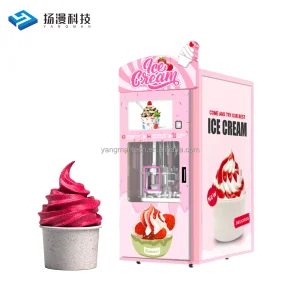
Machines housing dairy components (like soft-serve ice cream or fresh milk systems) require high-efficiency Embraco or Secop compressors with R290 or R404a eco-friendly refrigerants.
Automated beverage and confection machinery represents an excellent high-yield asset class for operators in amusement parks, shopping malls, transport hubs, and corporate campuses. Standardizing hardware solutions across these venues drives down operational overhead. Here is how leading global partners apply this technology:
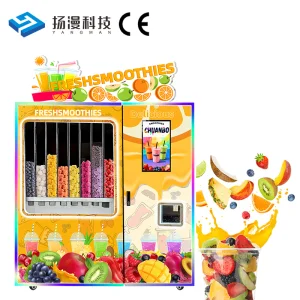
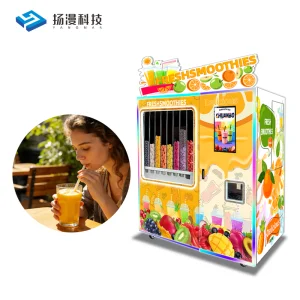
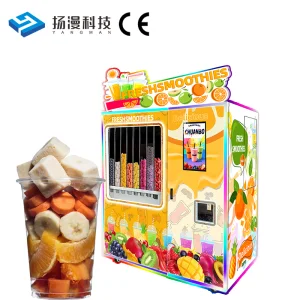
By deploying high-capacity frozen fruit smoothie vending machines equipped with 4G LTE remote telemetry, operators can offer high-protein post-workout recovery shakes. Precision cooling systems preserve the fresh ingredients without degradation, allowing remote diagnostics and restocking schedules based on real-time data.
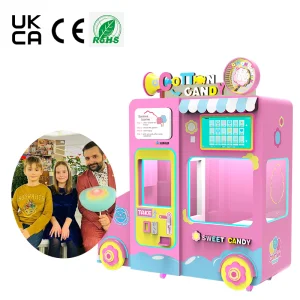
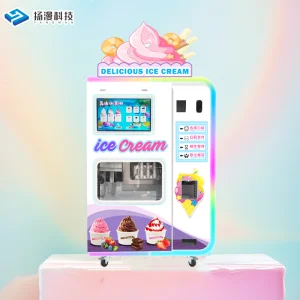
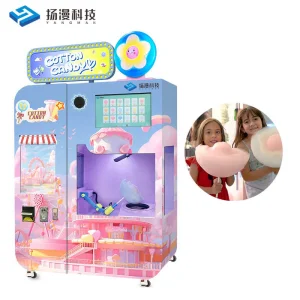
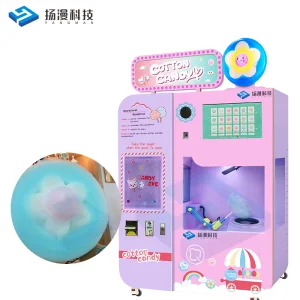
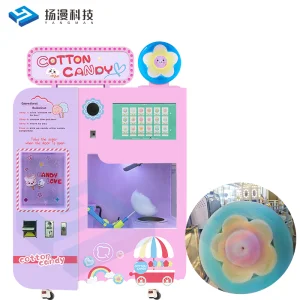
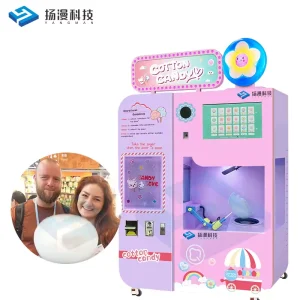
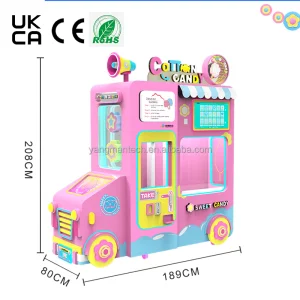
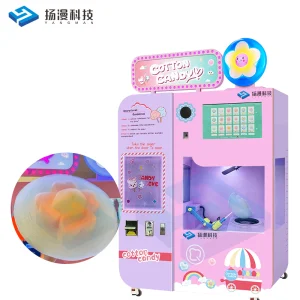
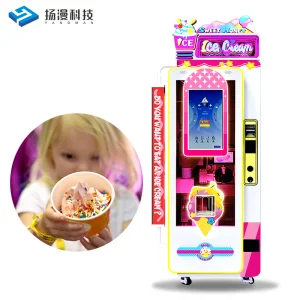
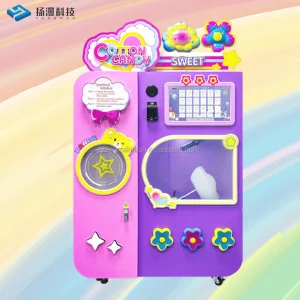
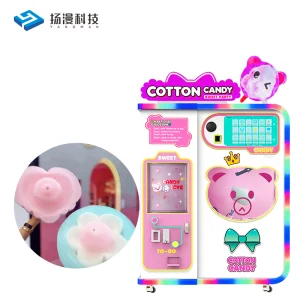
For high-footfall entertainment environments, automated cotton candy and soft-serve ice cream vending systems convert small, underutilized floor spaces into high-margin profit centers. These automated kiosks run continuously for 24 hours, utilizing self-cleaning cycles to minimize active maintenance routines to once or twice per week.
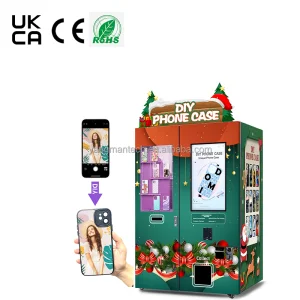
Deploying interactive kiosks such as UV silicone phone case printing machines side-by-side with automated cafes drives dual-stream impulse retail sales. While consumers wait 90 seconds for their custom-made smoothie or hot beverage, they design and print a custom accessory. This hybrid retail model maximizes average revenue per user (ARPU).
Engineers and wholesale buyers require raw technical details to evaluate factory outputs. The matrix below outlines standard structural configurations of Chinese-manufactured automatic smart dessert & beverage dispensing units.
| Parameter | High-Capacity Smoothie Systems | Robotic Cotton Candy Systems | Soft Serve Dispensing Units |
|---|---|---|---|
| Voltage Options | 110V / 220V (50Hz / 60Hz) | 110V / 220V (50Hz / 60Hz) | 110V / 220V (50Hz / 60Hz) |
| Power Consumption | 1800W - 2200W (Peak) | 1500W - 2000W (Peak) | 2000W - 2500W (Peak) |
| Cooling Compressor | Secop/Embraco (R404a) | N/A (Heating Burner) | Secop/Embraco (R290/R404a) |
| Payment Protocols | MDB / Pulse / RS232 / TCP-IP | MDB / Pulse / RS232 / TCP-IP | MDB / Pulse / RS232 / TCP-IP |
| Telemetry Software | Android OS (4G LTE / Wi-Fi) | Android OS (4G LTE / Wi-Fi) | Android OS (4G LTE / Wi-Fi) |
| Capacity Metrics | 8 Ingredient Channels | Sugar Feedstock: 4-6 Colors | Dual Hoppers: 2 x 6.5 Liters |
The future of automated retail lies in unified software control. Industry-leading suppliers in China provide comprehensive SaaS dashboards. Through these dashboards, buyers can track ingredient consumption rates, compressor temperature ranges, payment logs, and motor torque profiles. Firmware updates (OTA) are pushed dynamically, reducing technical onsite maintenance costs by up to 70%.
To guarantee reliable long-term operations, buyers must seek manufacturers that adhere to global quality frameworks. A reputable OEM/ODM factory in China should provide clear transparency on their quality assurance (QA) pipeline:
Every machine undergoes continuous 72-hour thermal stability and robotic function testing prior to packaging. This includes checking payment sensor accuracy, pressure calibration, and refrigeration consistency under ambient temperatures exceeding 38°C.
Entering markets like the United States, Germany, or Australia requires compliance certificates. Factories must supply official UL 751 (vending machines standard), NSF/ANSI 18 (manual food equipment standard), CE Mark, and FCC declarations of conformity.
To mitigate downtime, suppliers offer 1% to 2% free spare parts with bulk orders (compressor relays, heating coils, robotic arms, sensor boards). Over-the-shoulder video support, technical diagrams, and English manuals are standard requirements for qualified industrial suppliers.
Crucial answers to key inquiries from global purchasing departments and import distributors.
Seamlessly scale up your commercial footprint using automated smart units designed for maximum throughput and structural durability.