 Imler
Imler
Imler
Imler
Explore our premium machinery line designed for automated hospitality venues, luxury cafes, and high-footfall entertainment environments.
An in-depth analysis of materials engineering, supply chain resilience, and precision industrial production.
China's industrial hubs leverage advanced polymers like food-grade polypropylene (PP), ultra-durable ABS, fiberglass-reinforced laminates, and premium natural bamboo composites. High-precision injection molding ensures scratch-resistant finishes, heavy thermal endurance, and anti-warping properties.
By localizing raw materials sourcing and integrating vertical manufacturing chains, Chinese factories significantly lower costs per unit. This enables highly competitive wholesale prices even during volatile raw material cycles, backed by rapid factory prototyping.
Our strategically located facilities near major ports (Ningbo, Shenzhen, Shanghai) facilitate streamlined global freight networks. Real-time customs clearance integration, optimized palletization, and break-bulk protection minimize container handling times and shipping delays.
A professional coffee serving tray is not merely a utilitarian accessory; it is a critical touchpoint in hospitality ergonomics and operational throughput. Modern designs must solve complex real-world issues such as liquid spill confinement, friction control under wet conditions, and weight distribution. By optimizing surface textures—utilizing micro-patterned elastomeric coatings or natural non-slip timber treatments—manufacturers ensure that staff can transport hot beverages across busy cafe floors safely and efficiently. Through structural ribbing and reinforced edges, high-quality trays maintain absolute flatness, reducing the risk of breakages and enhancing structural integrity under high-frequency load cycles.
Furthermore, the convergence of aesthetic value and utility defines the next-generation tray. Modern cafes and luxury lounges require trays that match their branding narrative. From minimalist matte black finishes to natural wood aesthetics, the selection of raw materials directly reflects the customer's perceived value of the beverage served. Chinese manufacturers have mastered these custom aesthetics by offering advanced coating processes (such as UV curing, sublimation printing, and laser-engraving), ensuring the final product can withstand commercial dishwashing cycles and chemical sanitizers without degradation.
A statistical overview of our manufacturing facilities, quality metrics, and performance standards.
To assist global enterprise buyers and procurement managers in choosing the exact tray substrate for their applications, we have compiled a performance indicator breakdown comparing the leading raw materials in production today.
| Material Type | Tensile Strength | Max Thermal Limit | Dishwasher Safety Rating | Primary Industrial Use Case |
|---|---|---|---|---|
| Fiberglass Reinforced Polyester | High (Exceptional durability) | 140°C (284°F) | Commercial Intensive (5000+ Cycles) | Heavy-duty institutional food service, quick-service cafes, hospitals. |
| Food-Grade Polypropylene (PP) | Medium (Flexible & lightweight) | 100°C (212°F) | Standard Commercial (2000+ Cycles) | High-volume wholesale, fast-food outlets, school cafeterias. |
| Natural Bamboo / Wood Composites | Medium-High (Aesthetic priority) | 85°C (185°F) | Hand wash recommended / Gentle cycle | Bespoke coffee lounges, high-end hotel room service, eco-brand campaigns. |
| Premium Acrylic (PMMA) | Medium (Rigid, clear/tinted) | 80°C (176°F) | Hand wash only (Avoid abrasive agents) | Display trays, hotel lobby beverage carts, experiential event catering. |
| High-Impact ABS (with Rubberized Lining) | High (Scratch-resistant shell) | 95°C (203°F) | Standard Commercial (3000+ Cycles) | Professional barista stations, heavy drink service, bar operations. |
Bridging traditional hospitality tools with automated retail, self-service, and smart cafe ecosystems.
As cafes shift towards unmanned self-service models, serving accessories are adapting. Smart serving trays are being engineered with embedded RFID chips and magnetic bases to interact seamlessly with automated robotic arms, tray return conveyor belts, and smart table location systems. Our research lab is actively prototyping smart trays that communicate with commercial vending ecosystems to optimize order sorting and food delivery cycles.
Sustainability is no longer optional. Global procurement standards now mandate minimum post-consumer recycled (PCR) content or bio-based resins. Our factory is at the forefront of the green transition, offering biodegradable PLA-infused composites and sustainably harvested bamboo trays. These products comply with international environmental initiatives, helping enterprise buyers lower their corporate carbon footprints.
Post-pandemic health guidelines have forced a paradigm shift in material finishes. Enterprise clients are requesting anti-microbial additives integrated directly into the injection molding masterbatch. This prevents bacterial proliferation, mold growth, and bad odors on the tray surface. The protective layer remains active throughout the product's lifespan, even after thousands of commercial cleaning cycles.
Standardized trays are being replaced by bespoke branded experiences. The demand for OEM customization has skyrocketed, forcing factories to adopt highly agile tooling techniques. Whether it is a unique geometric shape for a high-end specialty coffee brand, or specialized indentations to secure distinct glassware sizes, we provide 3D CAD modeling, rapid 3D-printed prototyping, and short-run mold setups.
How our coffee serving trays and integrated self-service solutions perform in real-world environments.
For boutique roasters and specialty coffee cafes, presentation is critical. We recommend our natural wood veneers and matte-finish composite trays with micro-etched non-slip textures. These trays accent the organic feel of the cafe while preventing delicate espresso cups and glassware from sliding during fast-paced service.
High-volume environments require rugged, stackable solutions that can handle quick turnarounds. High-impact polypropylene trays with ventilation stacking lugs allow for quick drying and compact storage. These trays are lightweight, minimizing physical strain on employees and customers alike.
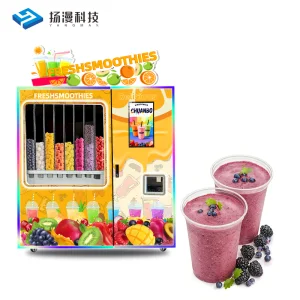
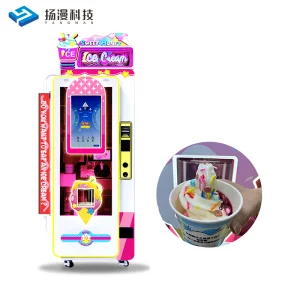
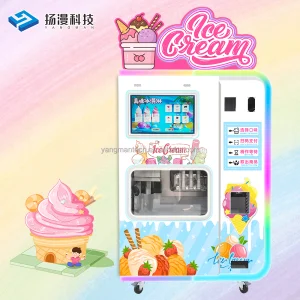
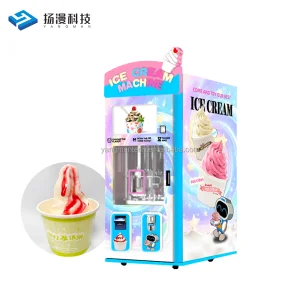
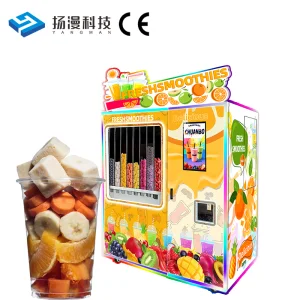
In modern smart hubs featuring unattended coffee and dessert vending machines, trays play a vital role in consumer convenience. Placing durable, non-slip trays near automated dispensing units allows consumers to securely transport multi-item orders (such as coffee, smoothies, and ice creams) through crowded shopping malls and public transits.
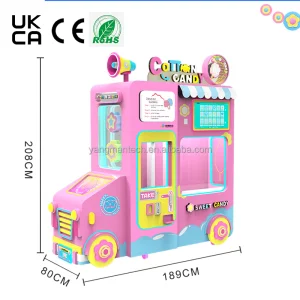
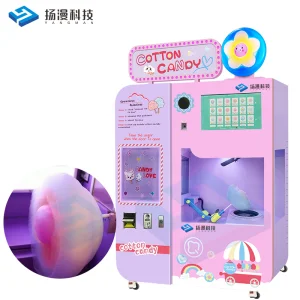
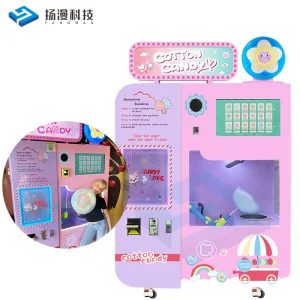
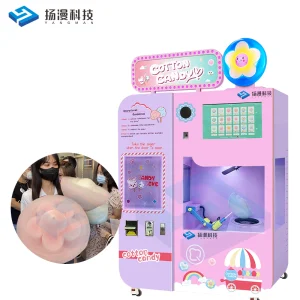
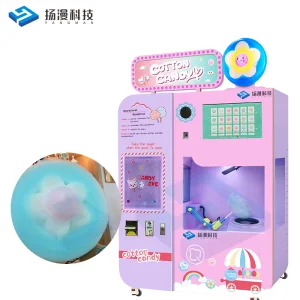
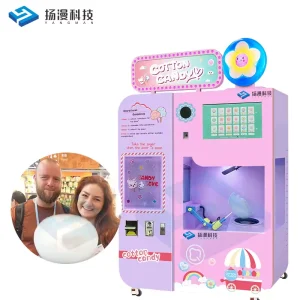
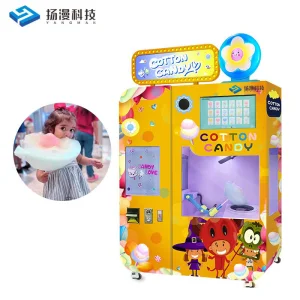
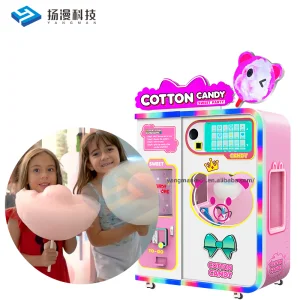
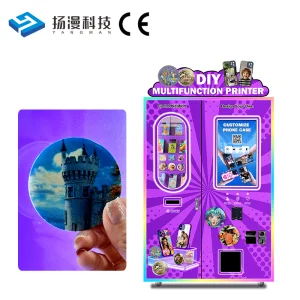
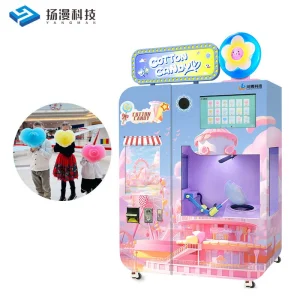
Complete your facility layout with next-generation automated sweet food makers, cotton candy robots, and specialized amusement park vending machines.
Addressing the core technical, regulatory, and financial concerns of global commercial buyers.
Our raw materials and finished serving trays are certified to meet international food contact standards, including FDA (US Food and Drug Administration) requirements, LFGB (Germany food safety law) regulations, and NSF/ANSI Standard 2 for food equipment. We regularly undergo third-party audits by SGS and Intertek to guarantee that all products are 100% BPA-free and lead-free.
For standard shapes and inventory colors, our wholesale MOQ starts at 500 units. For bespoke OEM designs requiring new injection mold tools, the typical MOQ is 3,000 units. This allows us to amortize the tooling costs and offer competitive wholesale pricing. We also provide initial mockups and 3D prototyping prior to final mold cutting.
Our premium fiberglass and high-impact copolymer trays are engineered to withstand temperatures up to 140°C (284°F). This exceeds the heat requirements of typical commercial sanitizing wash cycles. The structural composition is reinforced to prevent warp stress and cracking under rapid heating and cooling cycles.
Yes, we provide multiple custom branding solutions depending on your choice of material. Options include in-mold labeling (IML) for maximum scratch resistance, screen printing for high-definition logos, laser etching for natural wood/bamboo trays, and sublimation printing for complex, full-color designs. All branding processes are formulated to survive heavy cleaning cycles.
For standard wholesale orders, production takes 20 to 30 days depending on order volume. Custom OEM/ODM orders requiring mold tooling take 45 to 60 days to allow for tooling fabrication, sample approval, and volume runs. Shipping times vary depending on the destination port, with sea freight typically taking 15 to 45 days.
Get in touch with our engineering team today to receive physical samples, obtain custom OEM/ODM quotes, or discuss bulk wholesale pricing configurations tailored to your logistics requirements.
Request Commercial Quote