 Imler
Imler
Imler
Imler
Explore our elite range of automated commercial dispensing equipment featuring global payment integrations, IoT self-monitoring, and low-maintenance industrial architectures.
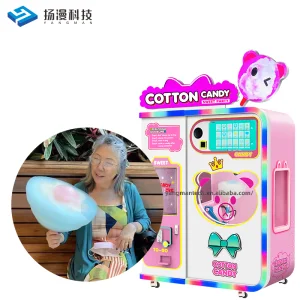
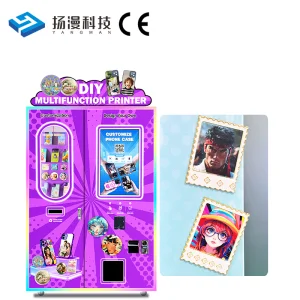
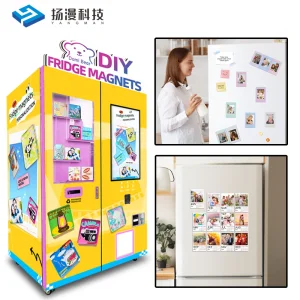
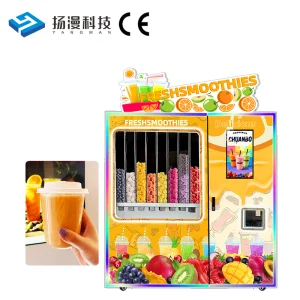
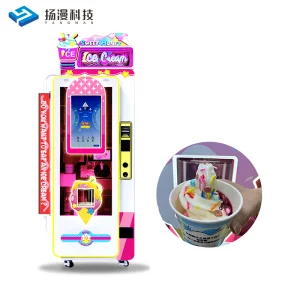
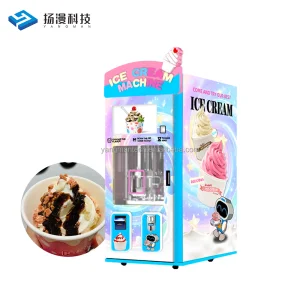
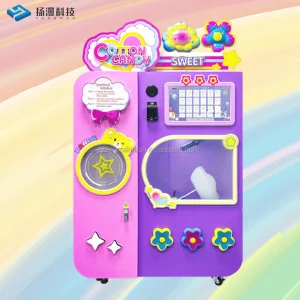
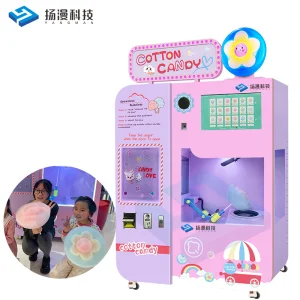
In the modern commercial food and beverage sector, the operational continuity of automated systems—ranging from bean-to-cup espresso machines to smart automated vending units—is the key metric determining profitability and customer satisfaction. While the primary search query "China Wholesale Coffee Machine Maintenance Manufacturers & Manufacturer" highlights a specific focus on espresso extraction maintenance, the industrial reality is much broader. Professional buyers demand unified maintenance, self-cleaning, and modular engineering paradigms across all automated fluidic, thermal, and dry-ingredient dispensing platforms.
Whether managing a fleet of high-pressure commercial espresso boilers or sophisticated robotic ice cream and cotton candy dispensers, the core maintenance challenges remain consistent: scaling, chemical sanitization, hydraulic pressure management, robotic actuator calibration, and payment terminal connectivity. As a leading hub of manufacturing excellence, China’s Industry 4.0 smart manufacturing plants are addressing these needs by engineering next-generation, low-maintenance components that minimize field service costs and maximize system uptime.
How modern IoT integration and mechanical automation are shaping the next decade of commercial beverage and vending systems.
Gone are the days of reactive maintenance. Modern dispensing equipment utilize real-time telemetry pipelines. Flow rates, heater temperatures, and robotic arm load parameters are continuously streamed to a cloud-based server. Using statistical anomalies, the system flags degradation (e.g., scale buildup or motor resistance) before a mechanical failure occurs, ensuring maintenance dispatch happens precisely when required.
Hygiene is paramount when dispensing fresh dairy, fruit purees, or thermal sugary ingredients. Modern platforms incorporate automated CIP systems. Utilizing high-pressure sanitary spray nozzles, peristaltic dosing pumps for sanitizing chemicals, and high-temperature thermal rinses, these machines prevent biofilm formation without requiring manual component disassembly.
To reduce Down Time (MTTR - Mean Time to Repair), machinery is engineered with slide-out sub-assemblies. The entire boiler block, the robotic manipulator arm, or the payment unit can be swapped within minutes by a non-technical staff member on-site, allowing the core faulty module to be shipped to a centralized facility for expert overhaul.
Deep dive into the engineering superiority, materials selection, and cost advantages of sourcing from top-tier Chinese manufacturers.
Procuring commercial dispensing and maintenance products from China is no longer merely a low-cost choice; it is a strategic decision for technological advancement. Chinese manufacturers have transitioned to Factory 4.0 Standards. This integration of industrial robotics, automatic coordinate measuring machines (CMMs) for precision quality control, and vertical supply chain integration allows for custom OEM/ODM modifications with unmatched speed-to-market.
To guarantee longevity and prevent heavy metal contamination in drinking water, top-tier Chinese manufacturers utilize food-grade stainless steels such as SUS304 and SUS316L, alongside medical-grade silicone tubing and NSF-certified components. Thermal exchangers and boiler systems are engineered to withstand continuous cycle thermal stress, reducing structural fatigue and scale nucleation sites.
One of the primary friction points for global vending and commercial equipment operators is regional payment integration. Leading Chinese manufacturers resolve this by offering open SDK APIs, pre-certified integration for Nayax, Ingenico, and local regional payment gateways (supporting credit cards, contactless NFC, Apple Pay, Google Pay, and localized bank banknote/coin validators). This reduces deployment times from months to weeks.
Premium factory exports undergo high-stress environmental simulation tests. These include mechanical wear-in chambers, extreme high/low ambient temperature operation testing, hydraulic pressure surge testing, and electrical line noise isolation checks. These processes guarantee that every unit leaving the assembly line achieves high Mean Time Between Failures (MTBF) ratings.
Where automated dispensing and low-maintenance designs create new business models and capture high-margin revenue streams.
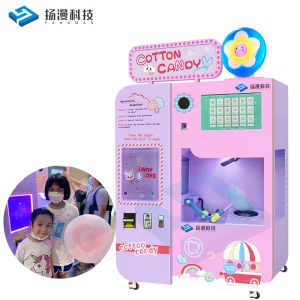
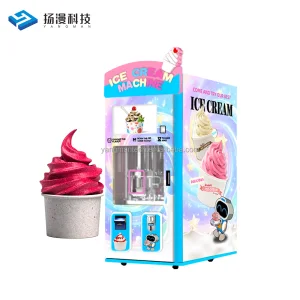
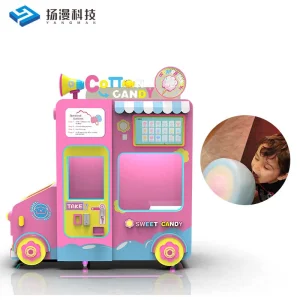
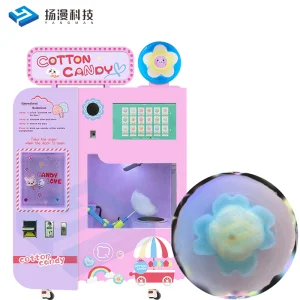
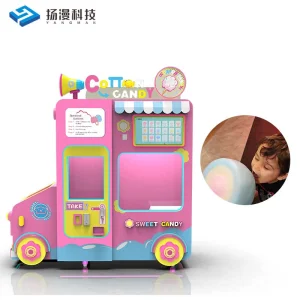
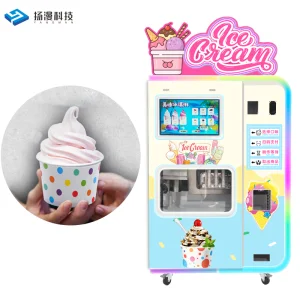
Unattended interactive vending robots (such as robot cotton candy makers and soft-serve ice cream systems) perform continuously in high-humidity, dusty outdoor environments. Robust dust filtration, reinforced thermal insulation, and automated sanitization loops are critical to surviving high-traffic weekend crowds without service interruptions.
Whether serving high-pressure fresh espresso or healthy organic smoothies, transit hub systems require fast processing times (under 45 seconds per cup) and complete silent-mode self-cleaning cycles that won't disrupt transit traffic or professional corporate work environments.
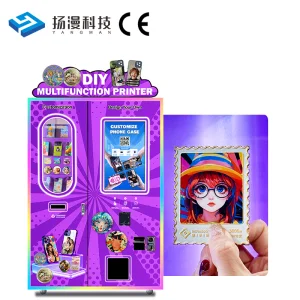
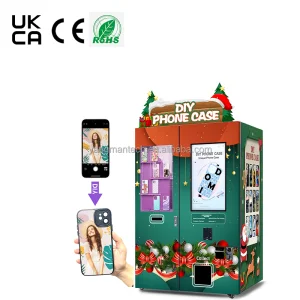
Integrating interactive touch-screens for customized physical goods (such as fridge magnets and instant smartphone case printers) directly boosts dwell times in retail spaces. Low maintenance mechanics ensure retail store staff only need to replenish raw media rolls once a week, keeping operating costs low.
High-margin smart commercial systems optimized for unattended operations and continuous self-cleaning.
Expert technical answers regarding the deployment, hygiene, regulatory compliance, and mechanical lifecycle of smart commercial dispensing machines.