Imler
Imler
Imler
Imler
Explore our flagship commercial beverage and automated dispensing equipment engineered for global deployment, featuring high thermal efficiency and intelligent telemetry.
The landscape of global food service and commercial beverage retailing is undergoing a seismic shift. Modern commercial operations are moving away from manually intensive systems to unified automated ecosystems that merge commercial coffee extraction techniques with smart dispensing technologies. Global demand for high-efficiency, unattended food service machinery has escalated due to shifting consumer behaviors, rising operational costs, and the absolute necessity for standardized product quality across multiple locations.
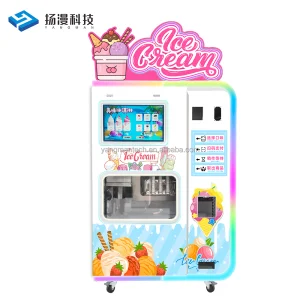
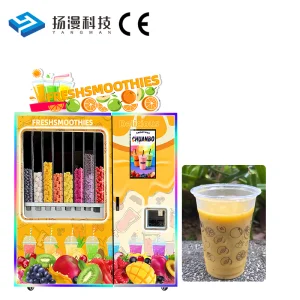
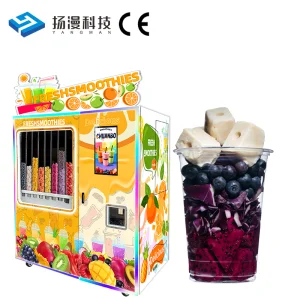
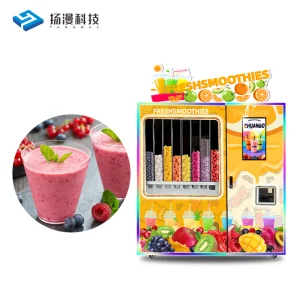
Leading organizations, from corporate environments to regional transit networks, require machines capable of running 24/7 with zero human oversight while maintaining the strict hygiene, sensory, and temperature criteria expected in high-end cafés. Today's commercial espresso systems, custom robotic ice cream dispensers, and high-capacity fruit smoothie makers share a foundational DNA: precision thermal control, heavy-duty fluid dynamics, robust physical enclosures, and intelligent customer-facing interfaces.
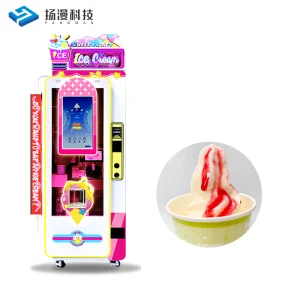
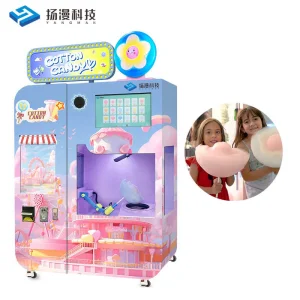
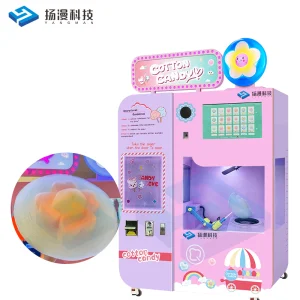
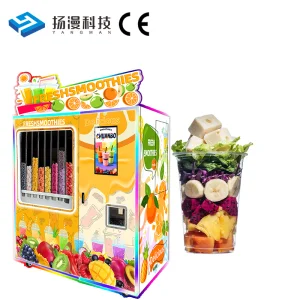
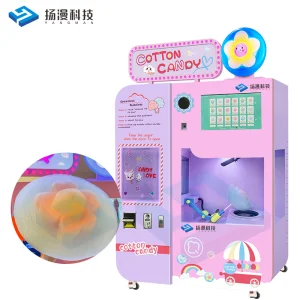
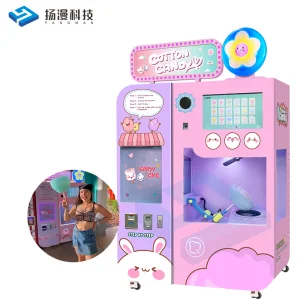
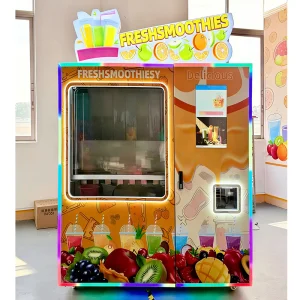
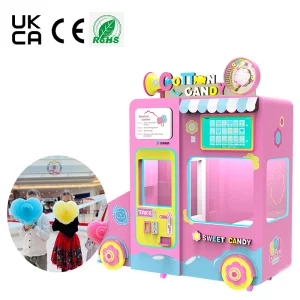
By treating coffee, gelato, smoothies, and complex automated sweets (like fancy cotton candy floss) as components of a unified smart retail ecosystem, leading Chinese factories have engineered a baseline architecture that handles powder dispensing, high-pressure liquid flow, and robotic service delivery seamlessly.
As a global hub for commercial kitchen and beverage equipment manufacturing, China’s industrial parks represent a masterclass in vertically integrated production. When sourcing from premium Chinese factories, international buyers secure not only a physical machine but also the structural benefits of localized raw materials, rapid prototyping facilities, and specialized component sub-contractors.
Direct proximity to high-grade industrial stainless steel mills (SUS304 and SUS316) ensures that all structures, boilers, and food-contact tubes resist corrosion under heavy stress and high humidity conditions, exceeding international food safety requirements.
Our manufacturing sites utilize high-grade compressors (e.g., Embraco, Secop), high-reliability valves, and robust electronics. Because these suppliers operate in neighboring industrial zones, lead times for prototyping are drastically reduced.
Every commercial machine undergoes an extensive 72-hour continuous operation cycle before leaving the factory floor. We test voltage stability, cooling performance in tropical ambient conditions, and telemetry reporting accuracy.
Modern commercial operations require hardware architectures that prioritize thermal precision, energy efficiency, and modular maintenance. Under the hood of our automated beverage machines, several core technologies work in unison to guarantee consistent drink textures, hygienic storage, and minimal operational down-time.
Maintaining the perfect storage temperature for fresh milk, fruit pulps, or yogurt bases is critical to meeting food safety standards (such as HACCP). Our machines feature advanced dual-compressor configurations that allow independent temperature control for internal storage bins (-20°C to +4°C) and the mixing chamber. Real-time temperature sensors feed telemetry data back to the central processing unit, adjusting compressor cycles to optimize energy usage while ensuring absolute freshness.
Commercial equipment must interface seamlessly with local payment networks. Our software suites support the Multi-Drop Bus (MDB) protocol, allowing simple integration of card readers, cash acceptors, and mobile wallet scanners. Additionally, 4G LTE/5G network modules send real-time reports detailing sales volume, ingredient levels, and preventative maintenance needs directly to operators' mobile devices.
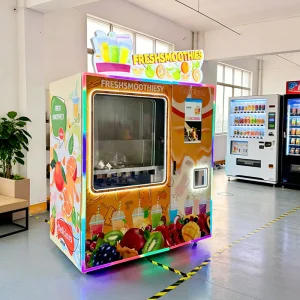
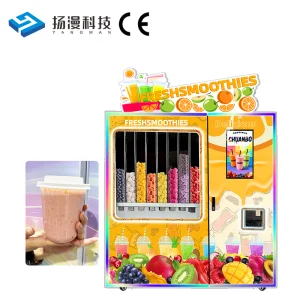
From automatic flower cotton candy spinners to high-speed smoothie blenders, physical reliability is non-negotiable. Our engineering team utilizes stepper motors paired with optical encoders to achieve micro-step accuracy during operation. This ensures that the mechanical arms, ice dispensers, and rotation gears maintain consistent positioning over hundreds of thousands of cycles without drifting.
Reducing water waste and power consumption is central to our R&D roadmap. Our smart cup wash and blending cup rinse systems use high-pressure micro-nozzles, cutting water consumption by 40% compared to standard spray bars. Furthermore, our energy-efficient standby modes reduce power draw by up to 60% during off-peak hours, allowing operators to meet regional carbon offset regulations.
Deploying food service hardware internationally requires strict adherence to localized safety, electrical, and linguistic requirements. The baseline units from our factory are designed to adapt to a wide variety of localized scenarios, ensuring seamless deployment worldwide.
Whether operating in a North American shopping mall (110V/60Hz) or a European transport hub (220V/50Hz), our internal transformer and power supply architectures are configured at the factory to match local electrical grids. This prevents component strain and ensures consistent motor torque and compressor cycles.
Our 32-inch high-resolution touchscreens support multi-language firmware, including English, Spanish, French, Arabic, and Japanese. Custom UI designs can be implemented to mirror your brand's style, complete with promotional video loops and guided payment steps.
Our components comply with European CE, RoHS, and food-grade safety standards. We select food-contact plastics and metals that are certified for safety, making it easy to clear local health department inspections during installation.
High-efficiency, unmanned commercial vending systems designed to maximize profit margins and provide interactive consumer experiences.