Imler
Imler
Imler
Imler
Explore our primary range of intelligent kiosks and processing upgrades. Built on advanced Vending Machine Controller (VMC) frameworks, these solutions support multi-payment protocols, custom SDK telemetry, and structural industrial hardware upgrades.
In the rapidly changing landscape of automated retail, traditional commercial drink machines and single-purpose vending setups are merging into a unified ecosystem of intelligent, customizable, and high-margin micro-retail kiosks. At the heart of this transformation is the modular upgrade of traditional beverage components—such as advanced boilers, high-pressure extraction groups, precision grinders, and smart mixing systems—redefined for custom vending configurations.
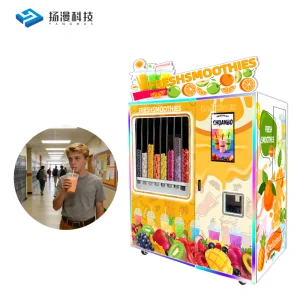
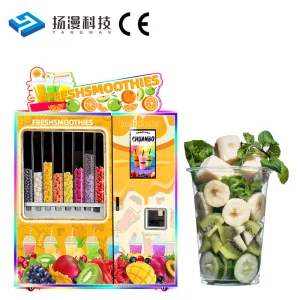
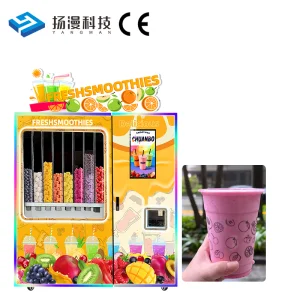
Our manufacturing facility leads this industrial transition. By combining advanced liquid handling technology (honed through years of precision espresso machine development) with dynamic automation mechanisms—such as automated sugar extrusion, precise UV sterilization, and instant flash-freezing—we provide upgrade solutions that allow global brands to deliver fresh smoothies, customizable hot beverages, and customized consumer products with minimal operational downtime.
To maintain a competitive edge, global procurement teams must understand the core technology trends shaping the next generation of automated dispensing equipment.
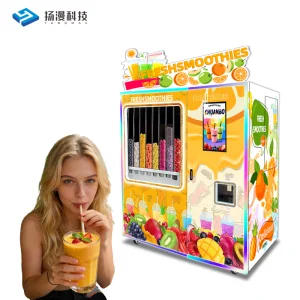
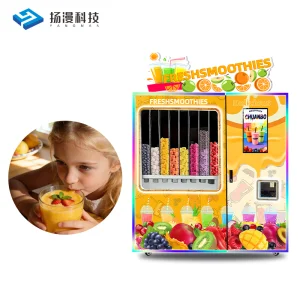
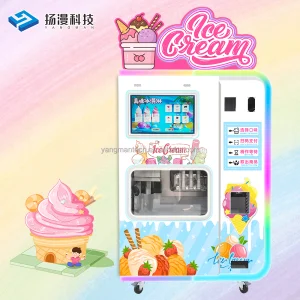
The boundaries between coffee makers, smoothie dispensers, and automatic dessert makers are fading. Modern installations combine high-pressure steam boilers and cooling compressors into single, compact units. This allows a single machine to serve hot espresso, chilled functional protein shakes, and fresh fruit smoothies from one integrated platform.
Hardware is only as reliable as the software managing it. Our solutions feature advanced IoT architecture with dedicated Android/Linux SDKs. This allows operators to monitor ingredient levels in real time, adjust mixing speeds, configure sanitation cycles, and run diagnostics remotely—significantly reducing maintenance costs.
With strict health and safety standards worldwide, modern systems require automated sanitation. We integrate multi-zone CIP systems that run hot water flushes and activate internal UV-C sterilization lights after a preset number of drinks or hours of inactivity, preventing bacterial growth without requiring manual intervention.
For procurement managers, choosing a manufacturing partner requires looking beyond simple equipment prices. Enterprise operations demand scalability, consistent quality, and strict compliance with local international safety standards.
As we look toward the future of automated retail, our research and development is focused on three main technological innovations:
Using localized machine learning, machines can suggest drink formulations based on the weather, the time of day, or previous customer selections. This is paired with interactive touch displays that let users customize sugar levels, ice ratios, and flavor combinations down to the milliliter.
Integrating high-speed robotic arms to handle complex cup placement, lid application, and multi-ingredient dispensing. This design minimizes human contact, ensures food safety, and creates an engaging visual experience for the customer.
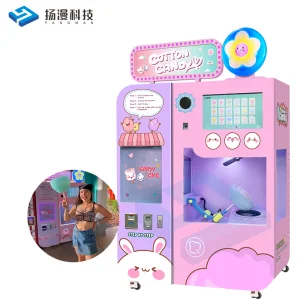
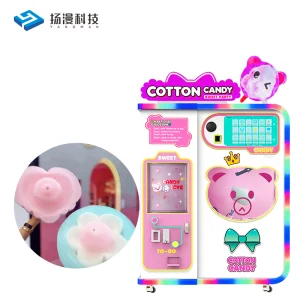
By designing modular upgrade kits for existing chassis, we allow operators to easily swap out components (such as swapping a cotton candy maker for a smoothie blender) without having to buy a completely new cabinet. This approach significantly increases the lifetime value of the initial hardware investment.
Get expert answers to common questions about importing, customizing, and maintaining advanced beverage and product vending systems.
Discover our dynamic retail and beverage systems, engineered for target demographics, amusement parks, fitness centers, and high-traffic locations worldwide.