Imler Imler

China Best Coffee Mug Warmer Factories & Manufacturing Ecosystem

A B2B Enterprise Industry Whitepaper on Industrial Precision Heating Systems, IoT Customization, Global Supply Chains, and OEM/ODM Vending Solutions.

1. The Global Landscape of Smart Heating Solutions & Desktop Ecosystems

The global B2B procurement environment has witnessed a significant structural shift in the demand for workplace automation and luxury smart lifestyle accessories. As modern office spaces transform into interactive, health-focused hubs, the humble desk configuration has evolved. Among these, the demand for precision temperature-controlled beverage accessories has surged. B2B buyers—spanning corporate purchasing departments, high-end retail brands, gift agencies, and custom consumer hardware platforms—now prioritize certified, energy-efficient desktop products.

"Modern thermal engineering is no longer just about generating heat; it is about intelligent thermal maintenance, energy conservation, safe human-machine interfaces, and seamless integration into the automated workspace."

To meet these standards, global brands rely heavily on China's precision manufacturing clusters. Located mainly in the Guangdong, Zhejiang, and Jiangsu provinces, these specialized electronics factories provide unmatched supply chain integration. The design, development, and mass production of premium coffee mug warmers require a comprehensive industrial foundation. This ecosystem relies on advanced plastics (ABS/PC), micro-gravity sensors, PTC (Positive Temperature Coefficient) ceramics, high-strength tempered glass panels, and dedicated microcontroller units (MCUs) to manage heat safely and effectively.

98.6% Production Yield Rate
15+ Global Compliance Certs
40-Day Standard OEM Tooling
300K+ Monthly Production Unit Capacity

2. Strategic B2B Sourcing: Procurement Requirements for Global Distributors

B2B sourcing of desktop electronic appliances requires balancing performance, cosmetic appeal, safety certifications, and unit economics. Volume distributors typically categorize their procurement specifications based on three main buyer personas:

  • Brand Owners & Retailers (Direct-to-Consumer): These buyers require high-end visual design (minimalist aesthetics, metallic finishes), custom premium packaging, and strict compliance with local safety standards (FCC, CE, RoHS, UKCA, PSE, KC).
  • Corporate Gifting Organizations: Corporate buyers prioritize customizable surfaces, large branding zones, and high reliability. A low Return Merchandise Authorization (RMA) rate is essential, as corporate promotional gifts must perform reliably to protect the giver's reputation.
  • Smart Living & IoT System Integrators: Emerging smart home and office platforms require coffee mug warmers that integrate Bluetooth connectivity, smart sensor triggers, or wireless fast-charging capabilities (e.g., dual-purpose QI wireless charger and mug heater bases).

Working directly with OEM/ODM factories in China offers significant cost and speed advantages. Instead of relying on intermediate traders, professional procurement teams look for factories with in-house molding shops, SMT assembly lines, and functional environmental testing chambers to ensure fast turnarounds and consistent quality control.

3. Technical Blueprint: Thermal Management & PCB Design

Modern mug warmers rely on precise engineering rather than basic resistive heating. To guarantee safety and precise temperature control, Chinese manufacturing centers utilize several advanced technologies:

PTC Ceramic Elements

Positive Temperature Coefficient heating elements are self-limiting. As the material reaches its target temperature, its electrical resistance increases, reducing power draw and preventing overheating.

Micro-Gravity & Optical Sensors

Integrated pressure-activated base switches automatically turn the unit off when the mug is lifted, eliminating fire risks and conserving energy in commercial environments.

MCU Precise Temp Control

High-grade microcontrollers manage variable heat levels (e.g., 55°C, 65°C, 75°C) using NTC thermistors, maintaining accurate temperatures regardless of cup thickness.

Additionally, the heating surface is crucial for heat transfer efficiency. While budget models use polymer plates, high-end warmers feature waterproof microcrystalline or tempered glass plates. These materials offer thermal shock resistance, are easy to clean, and handle accidental spills safely.

4. Industrial Operations: Quality Assurance Protocols

Maintaining quality at high production volumes is a primary differentiator for top factories. Leading manufacturers implement strict quality assurance steps during production:

  1. IQC (Incoming Quality Control): Testing raw components, including PTC ceramic plates, NTC thermistors, tempered glass, plastic enclosures, power cords, and silicon pads.
  2. IPQC (In-Process Quality Control): Automated Optical Inspection (AOI) on the SMT line check MCU solder quality, followed by high-voltage leakage tests after final structural assembly.
  3. FQC (Final Quality Control) & Aging Tests: Every heating base undergoes a continuous 4-hour active heat cycle to confirm thermal stability and safety triggers under simulated load conditions.
  4. OQC (Outgoing Quality Control): Drop testing cartons, checking salt-spray resistance on metallic components, and verifying packaging layouts before loading.

By implementing these automated testing protocols, export factories can maintain defect rates below 0.15%, which is a key requirement for high-volume consumer electronics retailers worldwide.

5. Technological Synergies: Smart Heating Elements & Automated Vending Integration

The structural engineering, electronics assembly, and micro-precision heating technologies used in desktop mug warmers share key systems with commercial vending machines. Both product lines rely on precision thermal management, high-volume production structures, and automated payment/UI systems.

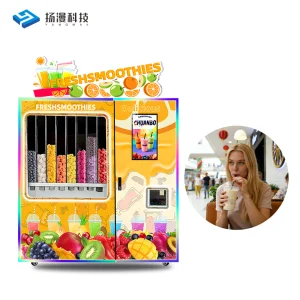
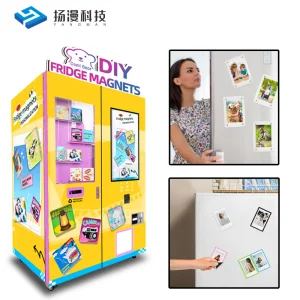
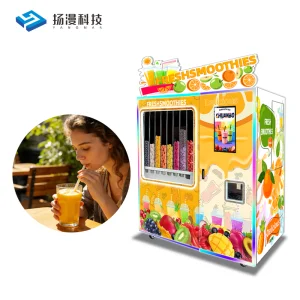
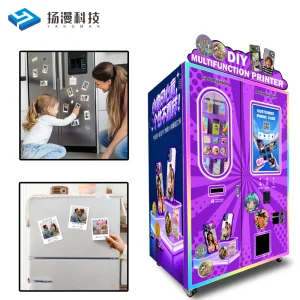
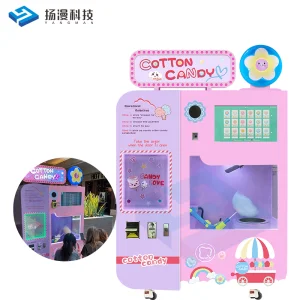
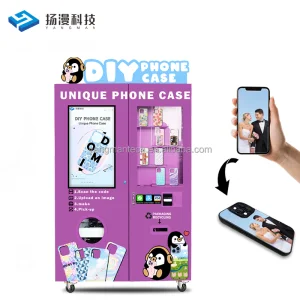
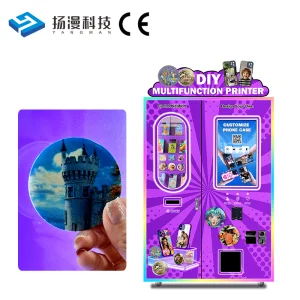
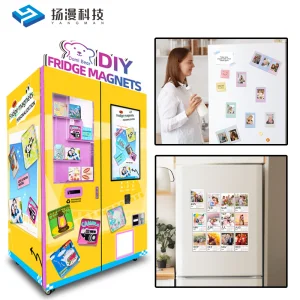
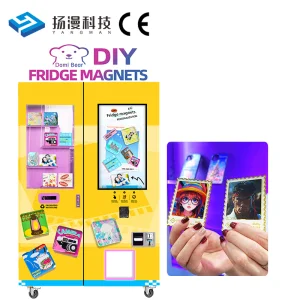
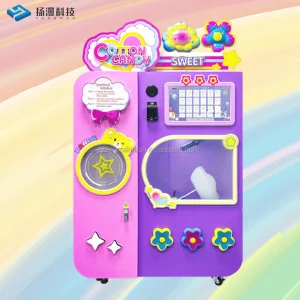
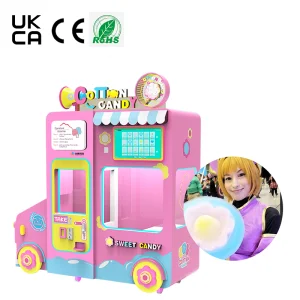
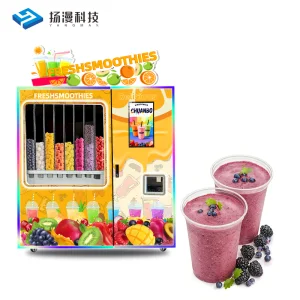
For instance, automated badge makers, fruit smoothie machines, and cotton candy vending machines rely on custom heating components, MCU-controlled assembly lines, and durable structural shells. The design of these systems involves similar thermal modeling, PCB engineering, and sensor arrays.

Our integrated factory clusters leverage these shared technical elements to support versatile production. Whether manufacturing a 15W desktop mug warmer or a high-capacity commercial vending unit, our facilities apply the same strict electrical safety standards, durable structural designs, and precision heating controls.

6. Global Compliance & Regulatory Landscape

B2B buyers importing goods into regions like North America, Europe, or APAC must ensure compliance with all local electrical regulations. Failure to do so can result in customs delays, retail penalties, or product recalls.

  • North America: Compliance with FCC Part 15 Subpart B is required for electromagnetic compatibility. UL 1026 standards govern safety for household electrical cooking and serving appliances.
  • European Union: The CE Mark is mandatory, requiring compliance with the Low Voltage Directive (LVD 2014/35/EU), the EMC Directive (2014/30/EU), and RoHS (Restriction of Hazardous Substances).
  • Asia-Pacific: PSE mark compliance is required for Japan, KC certification for South Korea, and CCC for Mainland China.

Our factory partnerships handle testing directly with certified labs (such as SGS, TUV, and Intertek), providing fully documented test reports to simplify customs clearance and ensure compliant retail operations.

7. Future Technical Trends in Desktop & Self-Service Appliances

The next generation of heating devices will focus on efficiency, smart connectivity, and multi-functional designs. Key developments to watch include:
  • Integrated QI Wireless Charging: Mug warmers that double as high-speed (15W/10W) wireless chargers when no mug is detected, optimizing desk space.
  • App Control and Smart Assistant Integration: Bluetooth-connected warmers that let users set specific temperatures, schedule heating times, and track daily hydration goals via mobile app.
  • Advanced Ecological Plastics: Transitioning from standard plastics to bio-based and recycled polymers to support circular economy initiatives.

8. Strategic B2B Sourcing FAQ

Q1: What is the typical Minimum Order Quantity (MOQ) for custom OEM orders?
For standard models with custom branding, the MOQ is usually 1,000 units. For complete custom tooling, molding, and customized PCB design, the MOQ starts at 3,000 units.
Q2: How does the factory ensure waterproof safety on the heating plate?
The heating plates are built with tempered microcrystalline glass sealed with food-grade high-temperature silicone adhesive, achieving an IPX4 waterproof rating to protect against accidental spills.
Q3: Can your factory handle customized retail packaging design?
Yes. Our design team supports complete structural packaging design, including custom cardboard boxes, internal protective molds, user manuals, and barcode labeling.
Q4: What is the lead time for mass production runs?
Initial orders requiring custom branding typically take 30 to 35 days. Repeat orders can be completed in 20 to 25 days depending on component availability.
Q5: Are the heating components compatible with different cup materials?
Yes, our MCU-regulated heating elements are optimized to work with ceramic mugs, glass cups, stainless steel containers, and thin-bottom porcelain wares.