Imler
Imler
Imler
Imler
Discover China's leading-edge automated dispensing hardware and intelligent customization platforms engineered for modern commercial hospitality spaces.
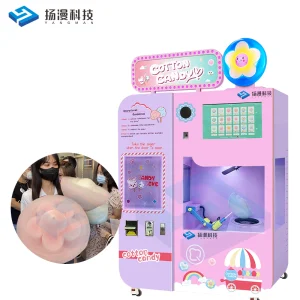
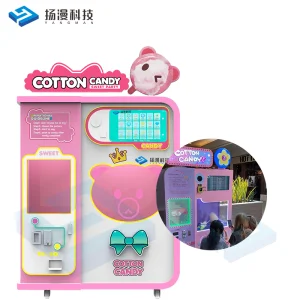
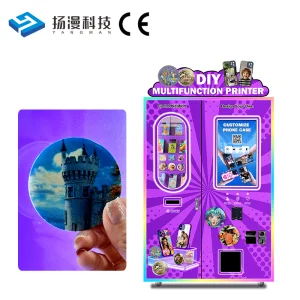
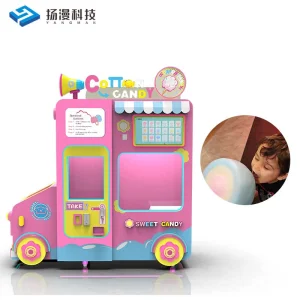
Global Market Share Supplied
Medical Grade Materials
LFGB & FDA Food-Contact Approved
Vacuum Decay Defect Rate
In the global hospitality, HORECA, and home appliance segments, the demand for precision-engineered, thermally efficient, and ergonomically superior beverage vessels has reached unprecedented levels. The global supply chain relies extensively on Chinese manufacturing centers to satisfy these needs. The title "China Best Coffee Jug Manufacturers & Factories" represents a massive landscape of metallurgical expertise, vacuum-insulation innovations, and integrated production facilities that define how hot and cold beverages are preserved and poured globally.
As consumer preferences shift towards specialty coffee preparations, thermal stability and aroma retention are critical brand differentiators. Choosing the right OEM/ODM manufacturing partner in China is no longer merely a transaction based on unit price. Instead, it has evolved into a strategic partnership that directly affects product lifecycles, regulatory compliance, brand equity, and supply chain security.
Implementing premium medical-grade SUS304 and SUS316 stainless steel to ensure zero chemical leaching, high corrosion resistance, and prolonged thermal integrity under extreme industrial use cases.
Full conformance to European LFGB, United States FDA, DGCCRF, and EU 1935/2004 food-contact guidelines, backed by comprehensive testing documentation and ISO 9001 quality audits.
Transitioning to eco-conscious manufacturing methods, including volatile organic compound (VOC)-free powder coatings, mechanical polishing alternatives, and recycled alloy cores.
The manufacturing architecture in mainland China is not monolithic; rather, it is a highly specialized cluster ecosystem. When procuring high-quality stainless steel insulated jugs, carafes, or smart heat-retention vessels, understanding these regional industrial centers is vital for optimized logistics, quality management, and product design.
Yongkang & Wuyi (Zhejiang Province): The Global Metalware Epicenter. Responsible for over 60% of the world's stainless steel vacuum-insulated vessels, this region hosts a highly integrated supply chain. From raw steel strip processors and dedicated deep-drawing machinery manufacturers to automatic laser welding lines and high-efficiency electroplating mills, Zhejiang's cluster allows for extremely rapid scaling, high production capacity, and competitive pricing for high-volume orders.
Jiangmen & Chaozhou (Guangdong Province): High-End Commercial Craftsmanship. Factories in Guangdong typically focus on high-end HORECA commercial tableware. They offer thicker gauge materials, premium finishes (including PVD coatings and organic wood trims), and have high competence in sophisticated engineering configurations, such as built-in thermometers and modular lids designed for high-end hotel chains.
Direct integration with domestic top-tier steel mills (such as Baosteel and Tisco) allows Chinese manufacturers to secure high-purity alloys at lower raw material costs, insulating international buyers from extreme market price volatility.
From Incoming Quality Control (IQC) of metal sheets to automatic vacuum thermal decay tests and Outgoing Quality Control (OQC) visual assessments, Chinese factories employ sophisticated industrial tracking mechanisms.
For B2B buyers, evaluating technical specifications is critical to preventing field failures, customer complaints, and regulatory fines. Below is a structured summary outlining key performance parameters for premium coffee jugs manufactured in China:
| Parameters & Testing Criteria | Standard Commercial Grade | Premium Professional Grade | Enterprise Customization Options |
|---|---|---|---|
| Inner Vessel Material | SUS304 Stainless Steel | SUS316 / SUS316L (High Corrosion Resistance) | Copper-plated thermal barrier layer |
| Outer Shell Material | SUS201 / Iron Alloy | SUS304 Stainless Steel | Eco-friendly powder coat / PVD / Wood grain wraps |
| Thermal Insulation Curve (Hot) | ≥65°C after 12 hours | ≥78°C after 12 hours / ≥65°C after 24 hours | Triple-wall insulation with getter material technology |
| Thermal Insulation Curve (Cold) | ≤10°C after 12 hours | ≤5°C after 12 hours / ≤8°C after 24 hours | Active temperature sensor lid integrations |
| Spout Mechanism & Pour Control | Standard press lever | Drip-free push-button with silicone seal | Ergonomic gravity-lid / flow-regulated pour spouts |
| Global Compliance Certification | FDA, LFGB Basic | FDA, LFGB, DGCCRF, EU 1935/2004, Prop 65 | Third-party laboratory certified batch audits |
When sourcing coffee jugs for large-scale retail distribution, hospitality service, or brand merchandising, procurement teams must go beyond simple aesthetics. Achieving high product durability and meeting regulatory requirements demands a strict due diligence checklist:
The global beverage market is undergoing a significant transformation. Consumer concern for the environment and a demand for smart home and commercial tech integration are driving key design innovations:
Eco-Conscious Circular Designs: Leading Chinese factories are developing coffee jugs made from up to 90% recycled post-consumer stainless steel (PCR). Additionally, modular designs allow consumers to easily replace handles and seals, extending the product’s lifecycle and reducing electronic or structural waste.
IoT & Digital Temperature Integration: Modern commercial environments rely on real-time quality indicators. New smart coffee carafes feature integrated LED lids that display temperature readings and freshness timers. These features help baristas and hospitality teams ensure that beverages are served at peak flavor profiles without opening the vessel and losing heat.
The functional requirements for coffee jugs vary significantly depending on the target environment. Understanding these localized application scenarios helps procurement teams choose the appropriate product specifications for their specific channels:
In hotels, restaurants, and catering halls, coffee jugs face heavy, continuous use. They require durable designs like double-walled SUS304 outer shells, thick rubber bases to prevent slipping, and wide spouts for easy cleaning and fast pouring. Ergonomic handles are also essential to reduce wrist fatigue for service staff during long shifts.
Modern office breakrooms and meeting rooms prioritize safety and cleanliness. The ideal designs feature push-button pour mechanisms to prevent accidental spills, long-lasting thermal retention (keeping beverages hot through extended meetings), and clean aesthetics that blend seamlessly into corporate environments.
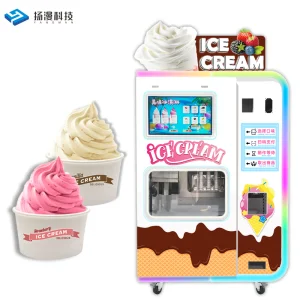
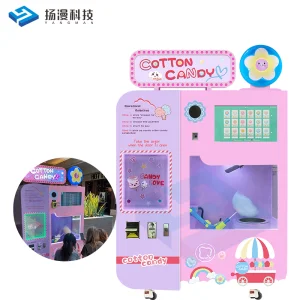
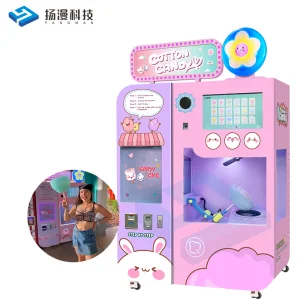
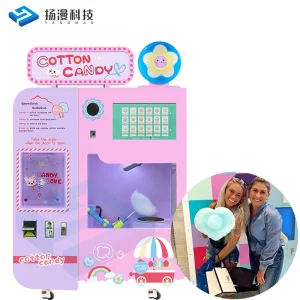
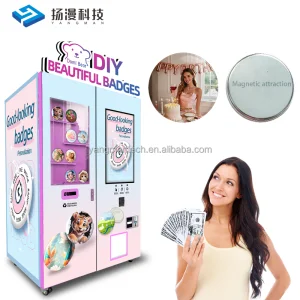
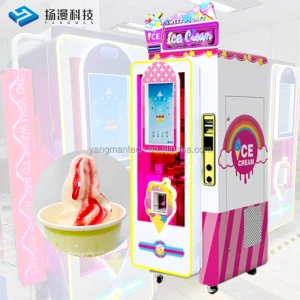
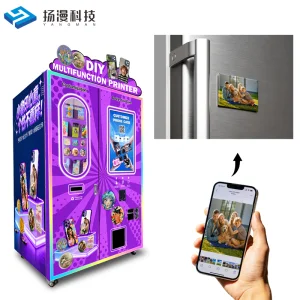
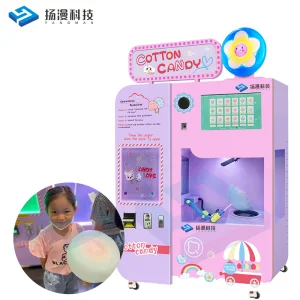
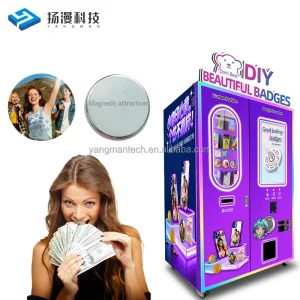
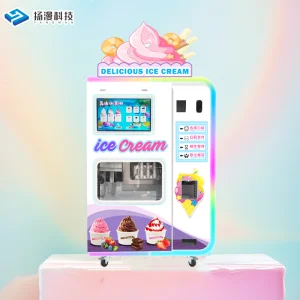
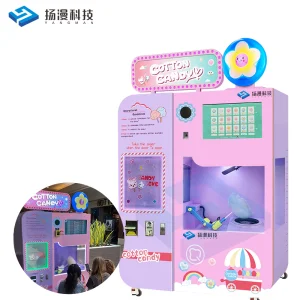
The rise of automated self-service food stations has created a demand for specialized beverage hardware. This is where advanced manufacturing bridges the gap between traditional jugs and automatic dispensing machines. Chinese factories produce smart, temperature-controlled carafes that connect directly to automated vending structures. This ensures beverages remain at the perfect temperature for every self-service transaction.
Explore our specialized industrial solutions, ranging from UV surface-finishing printers to fully automatic beverage dispensing platforms.
Operating a global supply chain requires navgating complex international customs and logistics. Working with experienced Chinese manufacturers helps streamline these processes:
Customs Documentation and Tariff Optimization: Experienced exporters provide precise Harmonized System (HS) classifications (typically HS Code 9617.00 for vacuum flasks and insulated vessels). This ensures smooth customs clearance and helps minimize unnecessary import tariffs. They also offer documentation support for country-specific declarations, such as GSP Form A or CO certifications.
Local Support Networks: Leading manufacturers partner with regional distributors and logistics hubs in North America, Europe, and Asia. This allows them to offer local warehousing, split-shipment options, and responsive after-sales support, helping businesses manage inventory levels and minimize storage costs.
Anti-Dumping and Trade Compliance: With changing trade regulations, top factories help buyers navigate anti-dumping duties by offering manufacturing options from verified secondary locations or providing transparent raw-material origin tracking to ensure full compliance with regional trade laws.