Imler
Imler
Imler
Imler
Explore our foundational range of precision fluid, thermal control, and smart vending systems built for global enterprises.
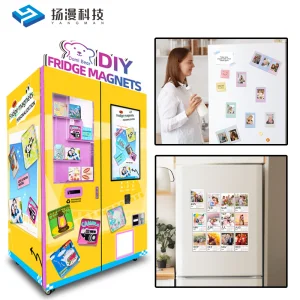
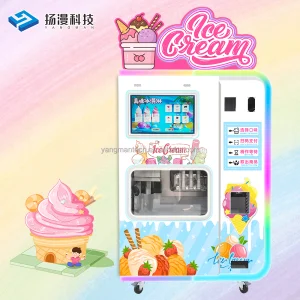
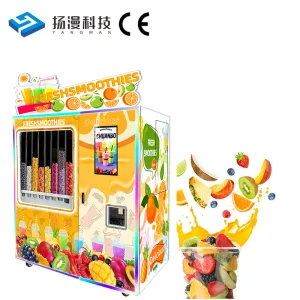
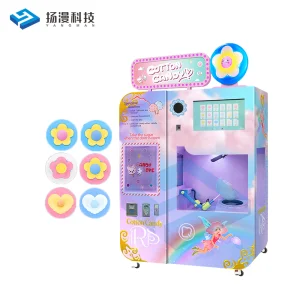
An in-depth analysis of structural thermodynamics, automation logic, and international compliance for enterprise buyers.
The global coffee culture has transitioned from fast-caffeine consumption to the appreciation of specialty single-origin coffees. At the heart of this movement is the pour-over brewing method, celebrated for highlighting complex acidity and floral notes. However, executing a manual pour-over consistently across multiple retail chains presents extreme operational challenges. Variations in barista pour rates, water temperature decay, and channeling lead to unpredictable flavor profiles.
Our smart engineering platform addresses this by automating the key parameters of drip brewing. Modern commercial pour-over installations utilize custom-machined multi-nozzle showerheads. These showerheads distribute heated water with an accuracy profile of ±0.5 mL/second. By integrating microprocessor-controlled flow regulations, our pour-over systems ensure even saturation across the entire coffee bed, eliminating the dry pockets and channeling commonly found in manual brewing.
Real-time thermodynamic modulation maintaining temperature within ±0.2°C from boiler to dispersion head, preventing thermal shock.
Programmatic adjustment of flow rates (1.5g/s to 6.5g/s) to dynamically control pre-infusion, pulse brewing, and bypass extraction.
Centralized recipe management systems allowing multi-location operations to push brewing parameters wirelessly to machines worldwide.
The future of commercial beverage hardware is deeply rooted in sensor integration and machine learning. As a forward-thinking manufacturer, we have mapped out our development trajectory to address emerging B2B requirements. Over the next three to five years, we are scaling our engineering research into three core areas:
B2B buyers, whether sourcing for large-scale coffee chains, premium office environments, or hospitality groups, require systems that integrate easily into existing setups. Our machinery is built around modularity. The commercial-grade pour-over system is not merely an isolated appliance; it is designed to interface with POS systems, commercial grinders, and standard filtration blocks.
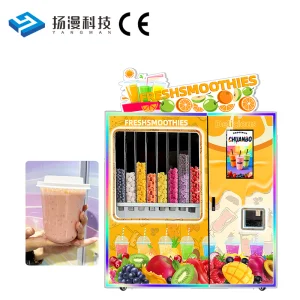
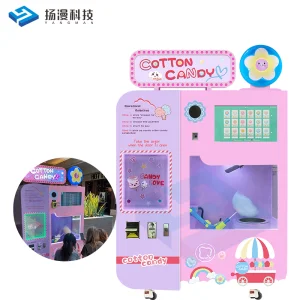
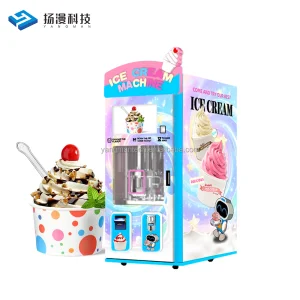
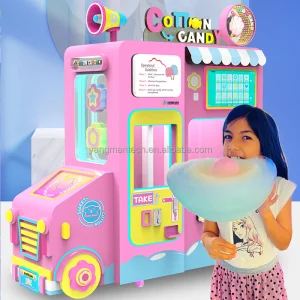
For enterprise hospitality operations, we supply multi-station under-counter modules. These systems preserve counter space by hiding the boilers and pumps underneath, exposing only sleek, minimalist tap towers. This configuration improves customer interaction while maintaining high throughput. For unmanned retail concepts and premium offices, we integrate our core fluid delivery systems into fully automated, self-service kiosks. These kiosks combine high-resolution interactive displays, multiple cup-dispensing mechanisms, and secure contactless payment options.
Our commitment to rigorous testing and scaled output ensures your supply chains remain uninterrupted.
Navigating international regulatory frameworks is a critical phase of B2B equipment procurement. A lack of proper certification can lead to customs delays, liability risks, and operational fines. Our entire lineup of automatic pour-over coffee systems and smart vending units carries verified CE Certification.
CE compliance is not just a stamp; it is a systematic approach to electrical safety, electromagnetic compatibility, and mechanical durability. Our machines undergo tests including:
To support our global partners, we maintain a network of localized service hubs in Europe, North America, and Southeast Asia. These hubs provide ready access to spare parts, technical training, and warranty support, ensuring your operations remain up and running.
Operating out of China's advanced manufacturing hubs allows us to leverage an integrated industrial supply chain. Our facilities combine high-precision automation with strict quality control. This operational setup allows us to keep production costs highly competitive without sacrificing engineering quality.
Our smart factory uses automatic CNC bending setups, robotic laser welding stations, and computer-guided calibration systems. Each pour-over assembly must complete a 100-cycle wet-run thermal and electrical test before leaving the factory floor. By sourcing raw materials directly from verified domestic steel mills and high-precision electronics suppliers, we protect our clients against global supply chain volatility and ensure reliable delivery schedules.
When evaluating manufacturers, procurement departments should prioritize companies that offer customizable platforms. We provide structured OEM and ODM workflows, allowing clients to tailor branding, chassis styling, UI configurations, and fluid capacities:
| Procurement Stage | Key Objectives | Our Manufacturer Deliverables |
|---|---|---|
| 1. Engineering Review | Align mechanical, power, and dimension footprints. | Provide detailed CAD models, step files, and electrical schematics. |
| 2. Custom Prototyping | Verify extraction parameters and UI usability. | Deliver working prototypes within 25 days for testing and compliance audits. |
| 3. Certification Match | Ensure regional compliance (CE, FCC, FDA, NSF). | Provide official test reports, declarations of conformity, and certification files. |
| 4. Batch Manufacture | Maintain quality control across large manufacturing runs. | Generate automated QC reports and track batch histories for all key components. |
Expert insights into common engineering questions, certification challenges, and system operations.
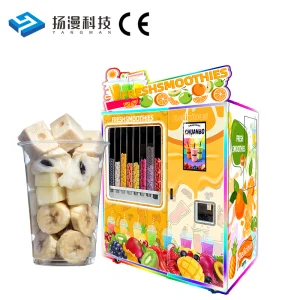
Explore our high-performance automated kiosks, custom printing systems, and smoothie dispensing technologies.