Imler
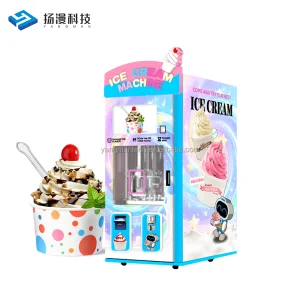
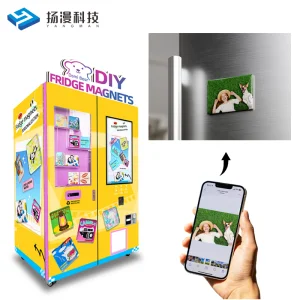
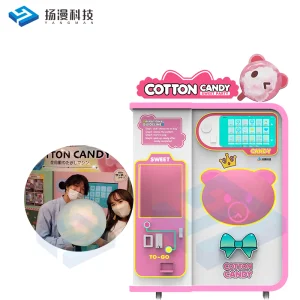
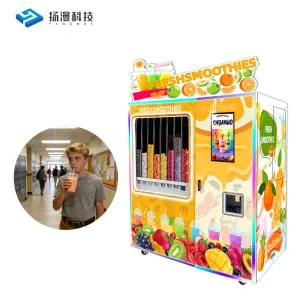
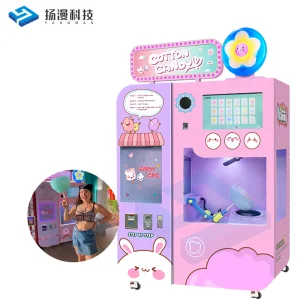
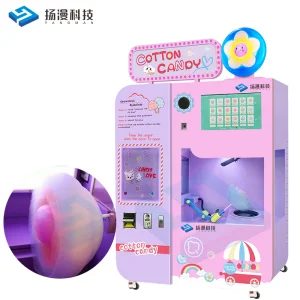
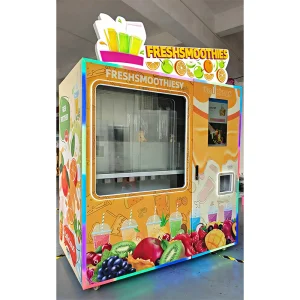
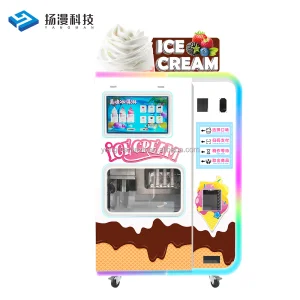
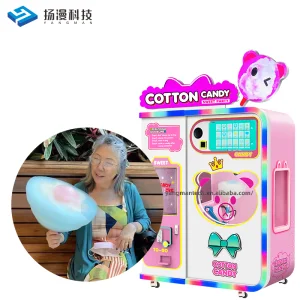
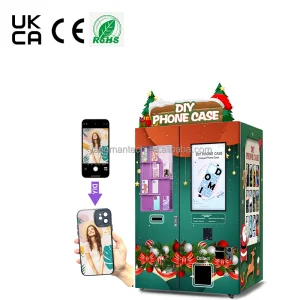
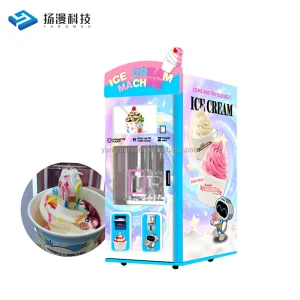
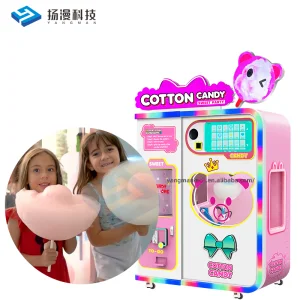
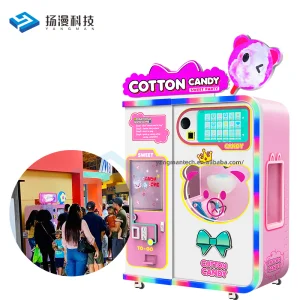
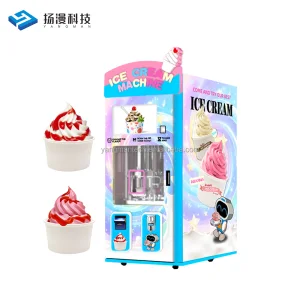
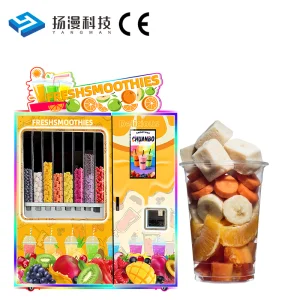
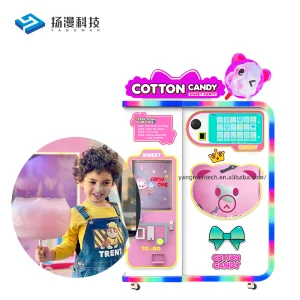
These eight systems are relevant to buyers building frozen yogurt, soft-serve, smoothie, cotton candy and unattended dessert revenue programs. Each product URL and image from the source portfolio has been retained.
The search phrase CE certified frozen yogurt machine suppliers & exporters is commercially precise. A buyer using this query is rarely looking for a simple product picture. They are usually comparing export-ready manufacturers, checking whether a frozen yogurt machine or soft-serve vending system can enter a regulated market, and looking for proof that the supplier can support installation, spare parts, payment localization and post-sale service. For distributors, the question is even more strategic: which supplier can provide a repeatable product platform, coherent documentation and a long-term supply chain that will not interrupt seasonal dessert sales?
From an information-gain perspective, CE marking should not be treated as a universal “best quality” medal. It is a declaration-of-conformity process tied to specific directives, harmonized standards and the exact machine configuration shipped. A CE certificate number is useful evidence, but serious importers also ask for the current Declaration of Conformity, technical file access, food-contact material declarations, electrical safety reports, country-specific approvals where relevant, and confirmation that the purchased model matches the tested scope. This supplier profile is useful because it exposes operational facts: more than nine years in industry, a 1,890㎡ floor space, five production lines, 25 production machines, and 15 new products launched in the last year. It also lists CE, UKCA, RoHS, UL, KC, PSE and CB certificate records.
Trust grows when a supplier is willing to distinguish between “certificate evidence” and “market access confirmation.” CE and UKCA are central for Europe and the UK; UL and CB records matter for selected North American and international engineering reviews; KC, PSE and RoHS support Korean, Japanese and material-compliance conversations. The right buying decision combines that documentation with a model-level review of voltage, plug type, software language, payment method, hygienic design and spare-part availability.
Needs traceable conformity documents, clear product scope and a supplier that can answer technical questions before the deposit. The CE entry “M.2022.206.C73909” and additional CE/UKCA records in the profile are starting points, not the full due-diligence endpoint.
Focused on throughput, self-service payment, hygiene, error recovery, remote monitoring readiness and low staffing requirements. Frozen yogurt and soft-serve formats are often paired with smoothie, cotton candy or other dessert vending to increase basket size in malls and cinemas.
Wants a portfolio rather than a single machine: ice cream vending, smoothie kiosks, cotton candy systems and payment-ready equipment. Documentation consistency, packaging and after-sales parts flow become as important as the unit price.
Looks for private-label potential, voltage and payment localization, and export-ready packaging. The profile lists customization options as “no,” so project-specific OEM/ODM feasibility must be confirmed directly for each model rather than assumed from catalogue language.
The facts below are reproduced from the supplied profile. They help buyers evaluate experience, production capacity, quality control, trade background and research capability without relying on vague marketing claims.
The supplied profile lists ten certification records. Buyers should verify the live certificate, issuing body, product scope and model match before shipping. The evidence below is preserved for evaluation and comparison.
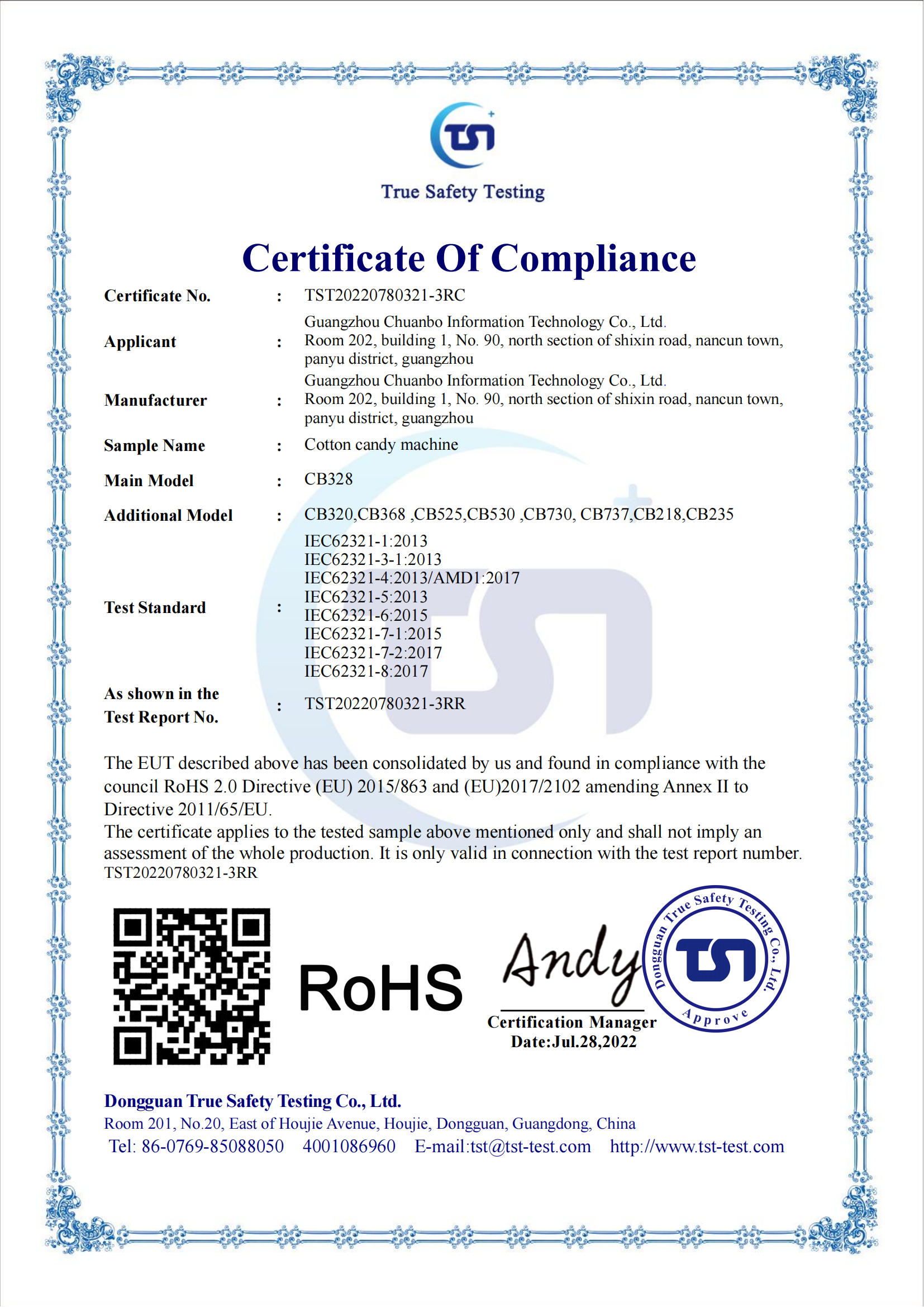

TST20220780321-3RC
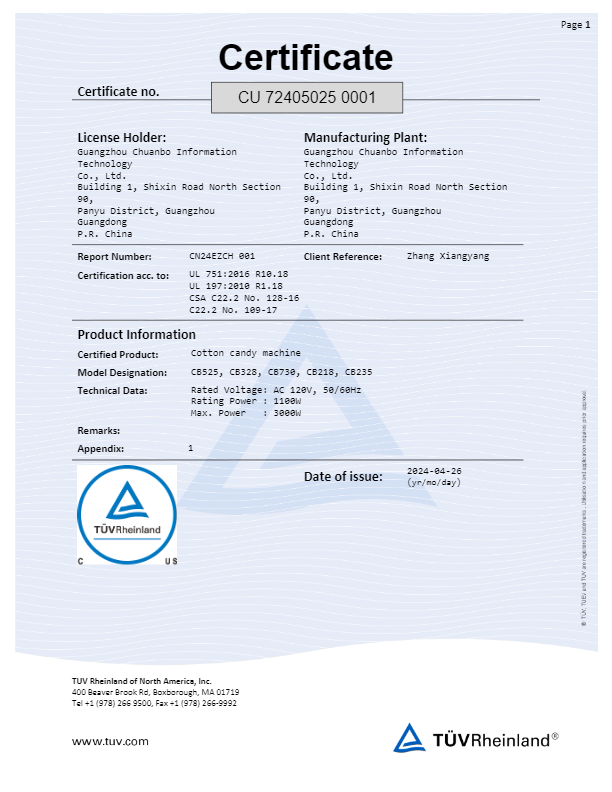

CU 72405025 0001
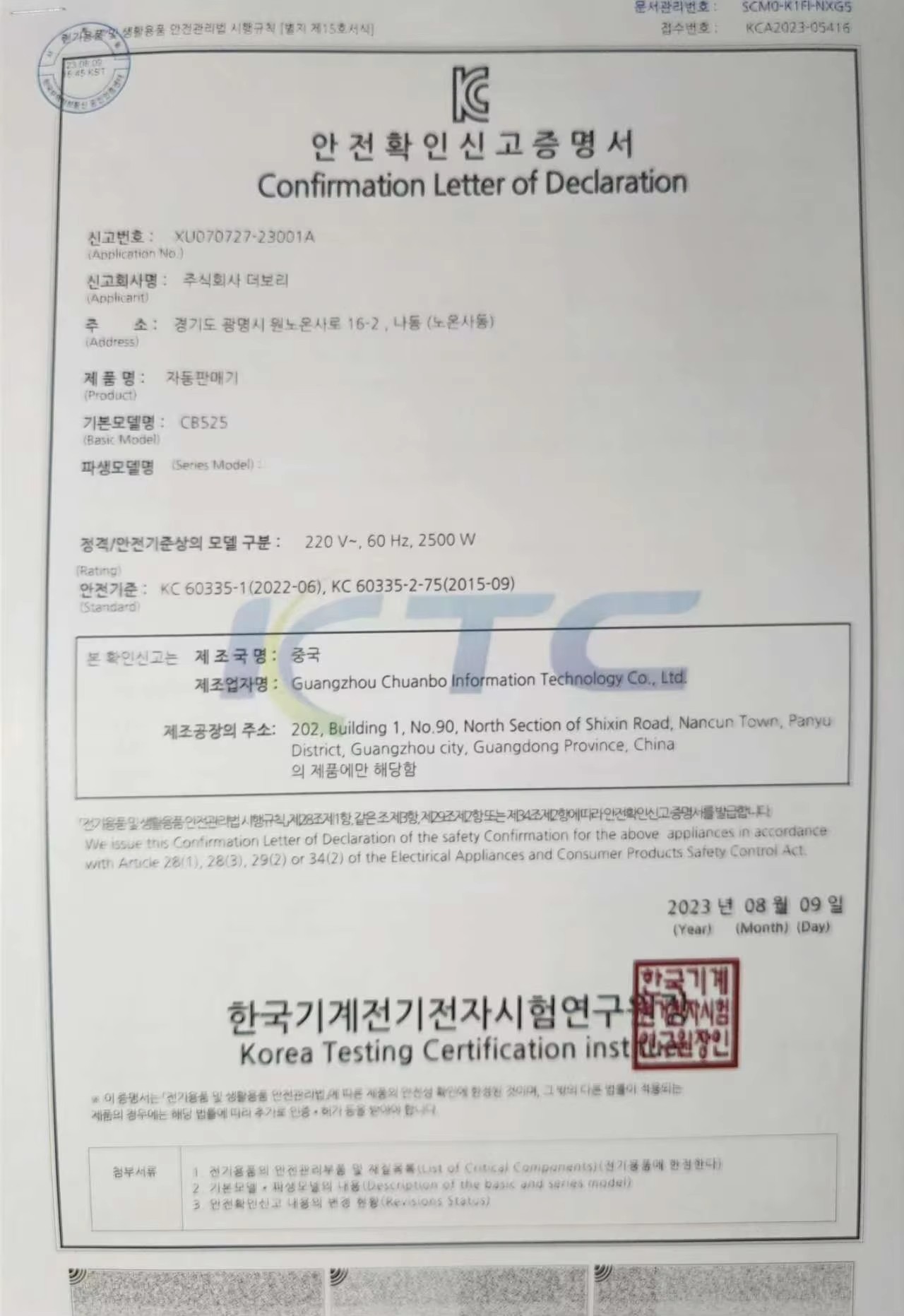

XU070727-23001A
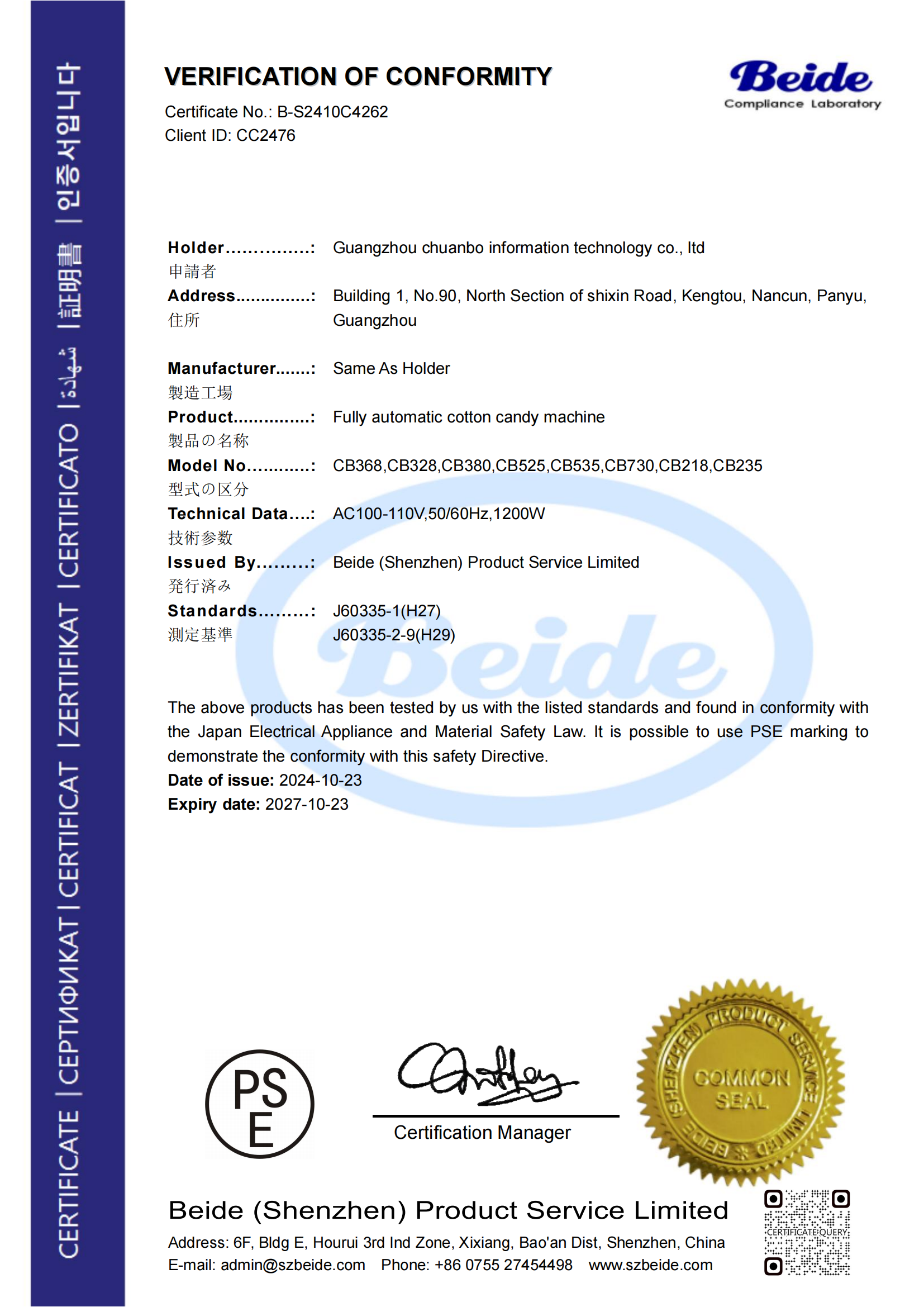
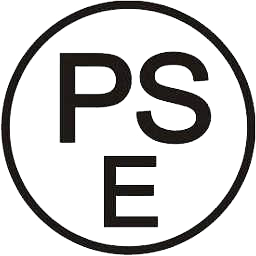
B-S2410C4262
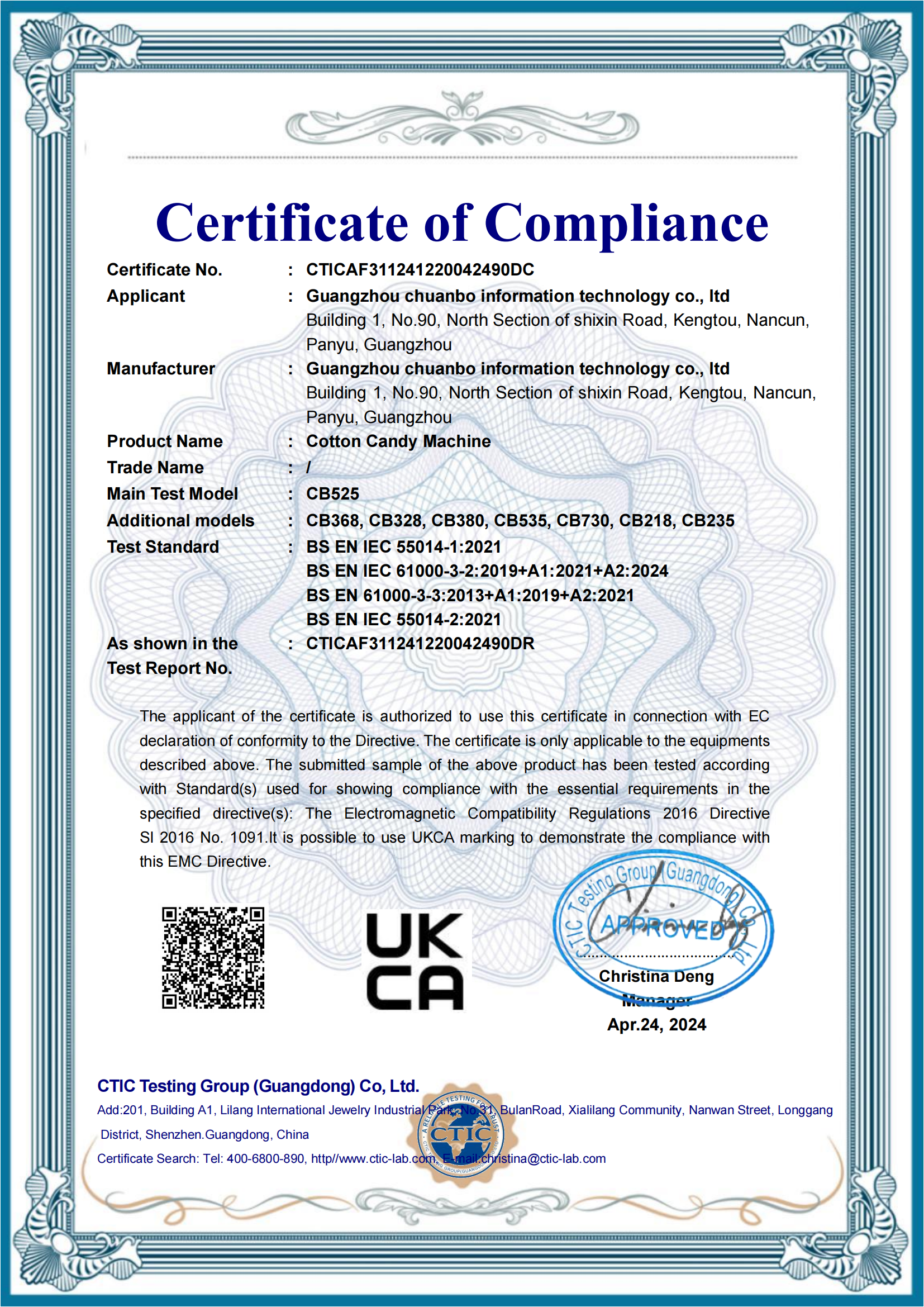

CTICAF311241220042490DC
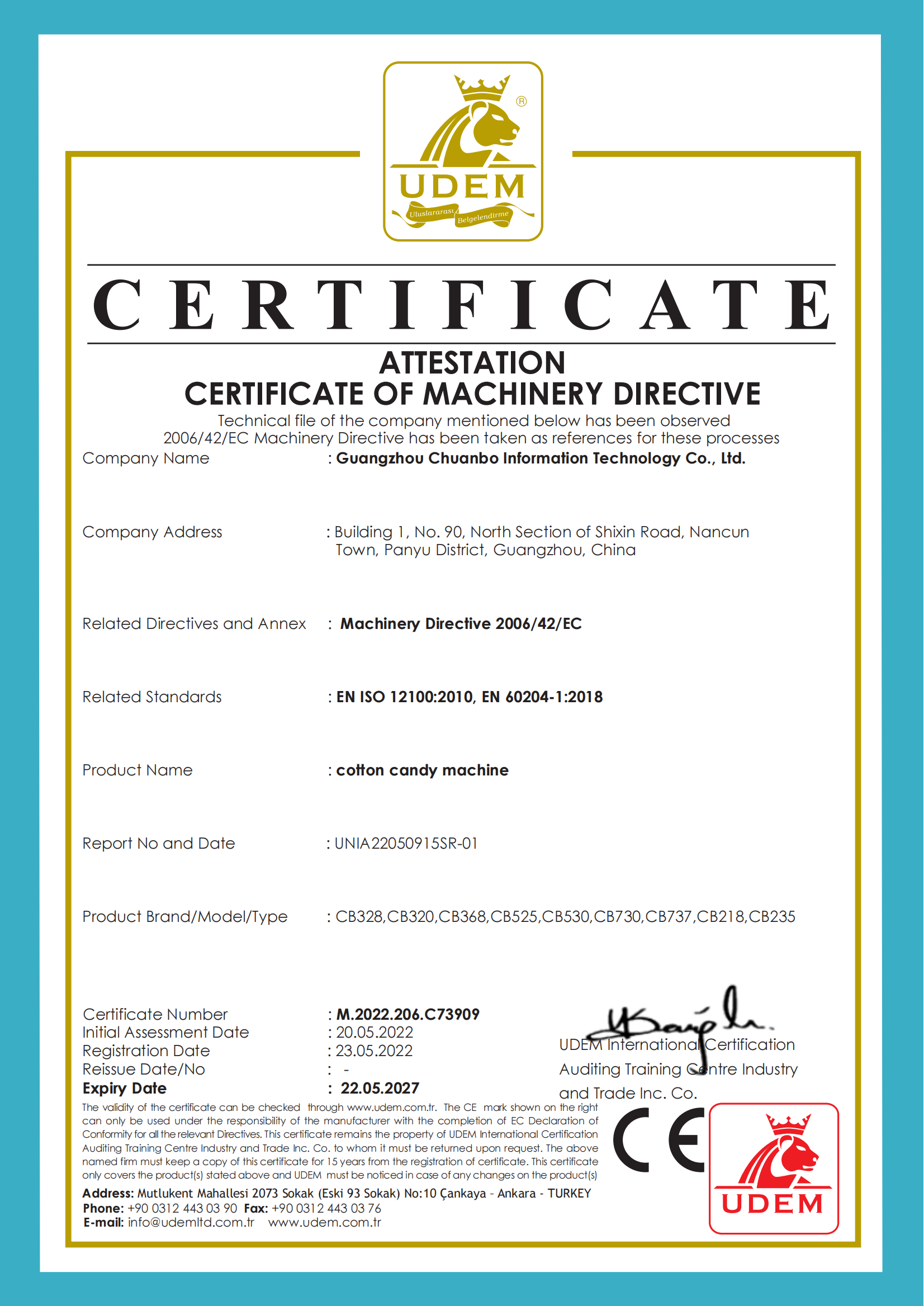

M.2022.206.C73909
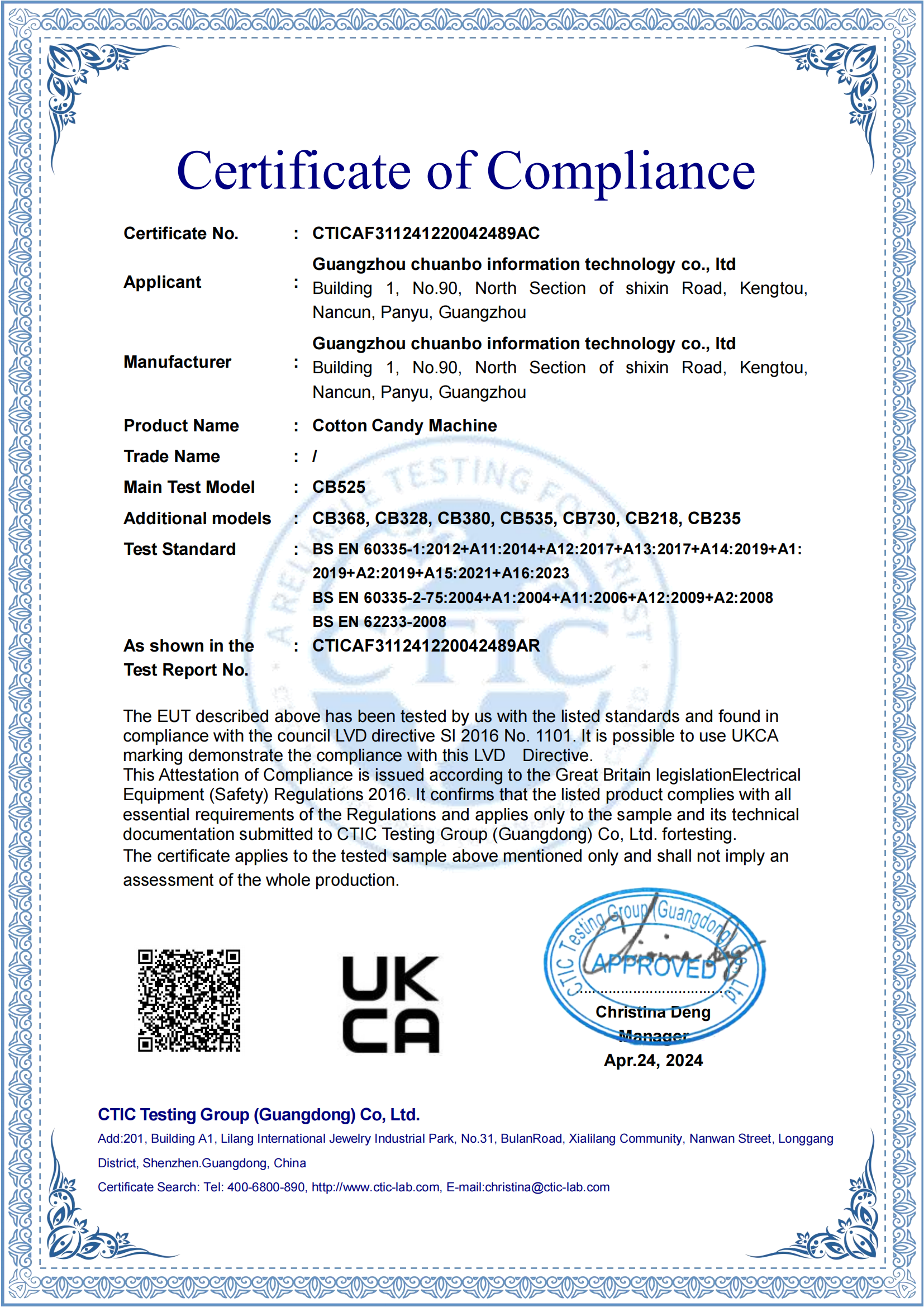
CTICAF311241220042489AC
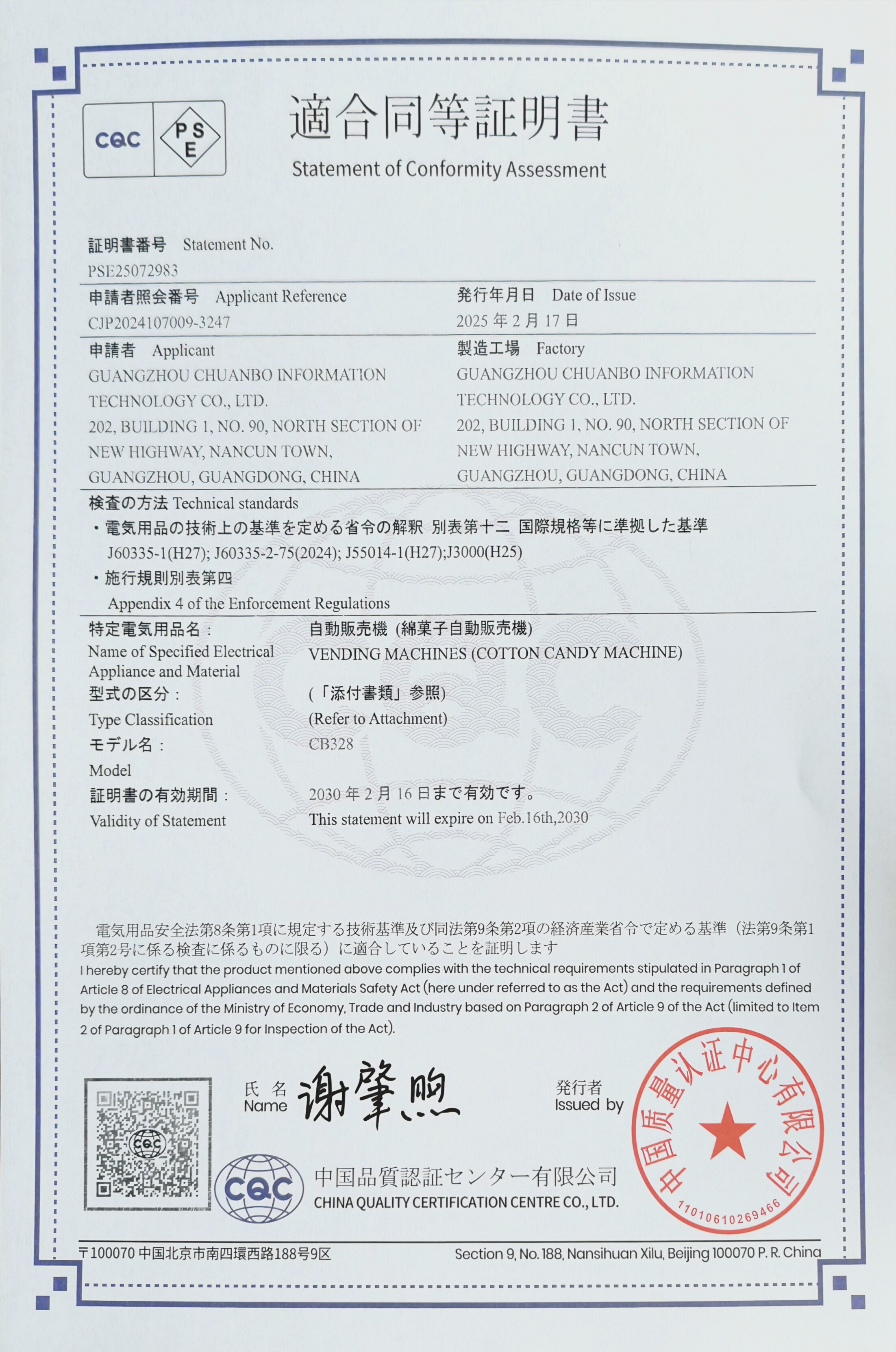
PSE25072983
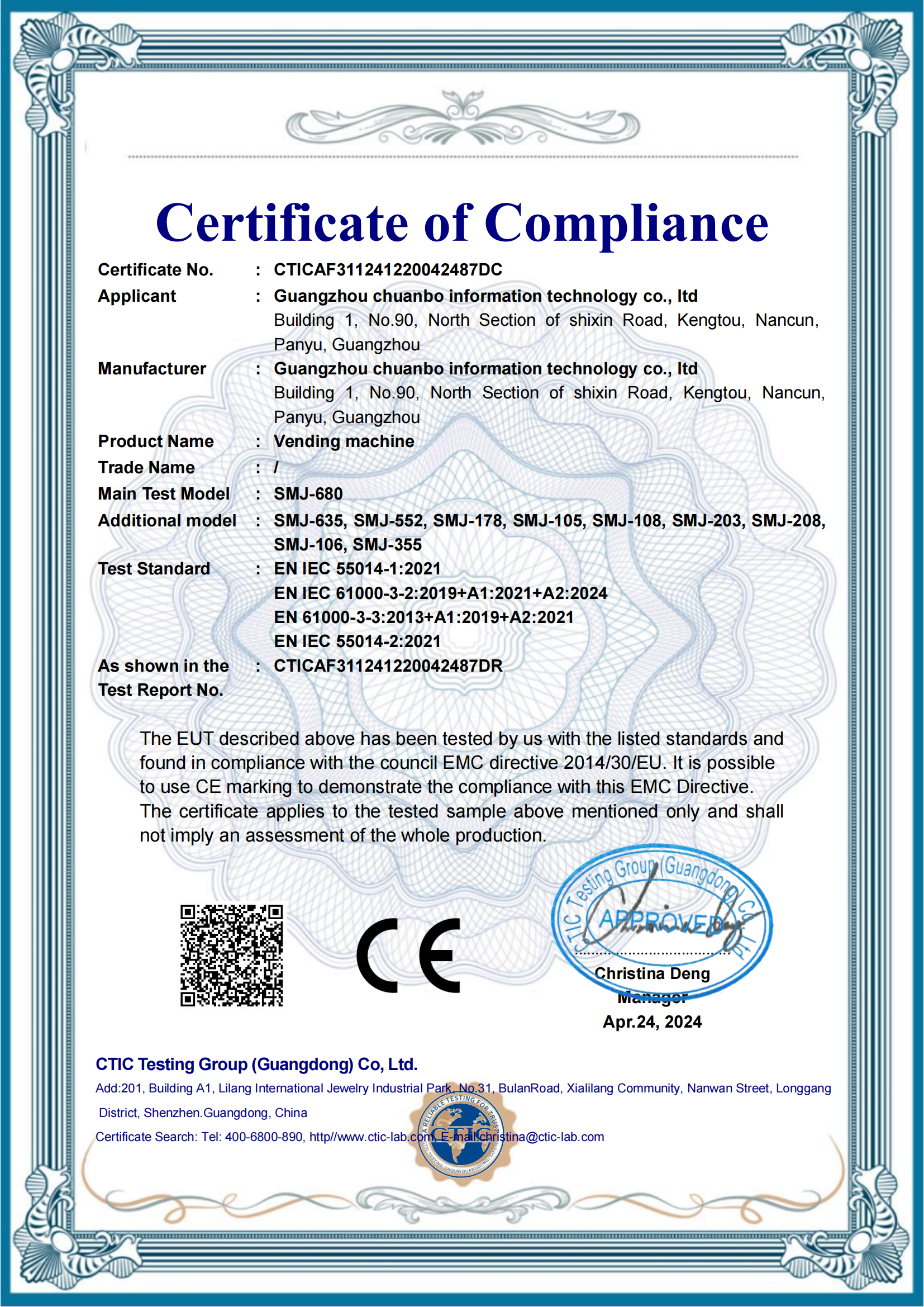
CTICAF311241220042487DC
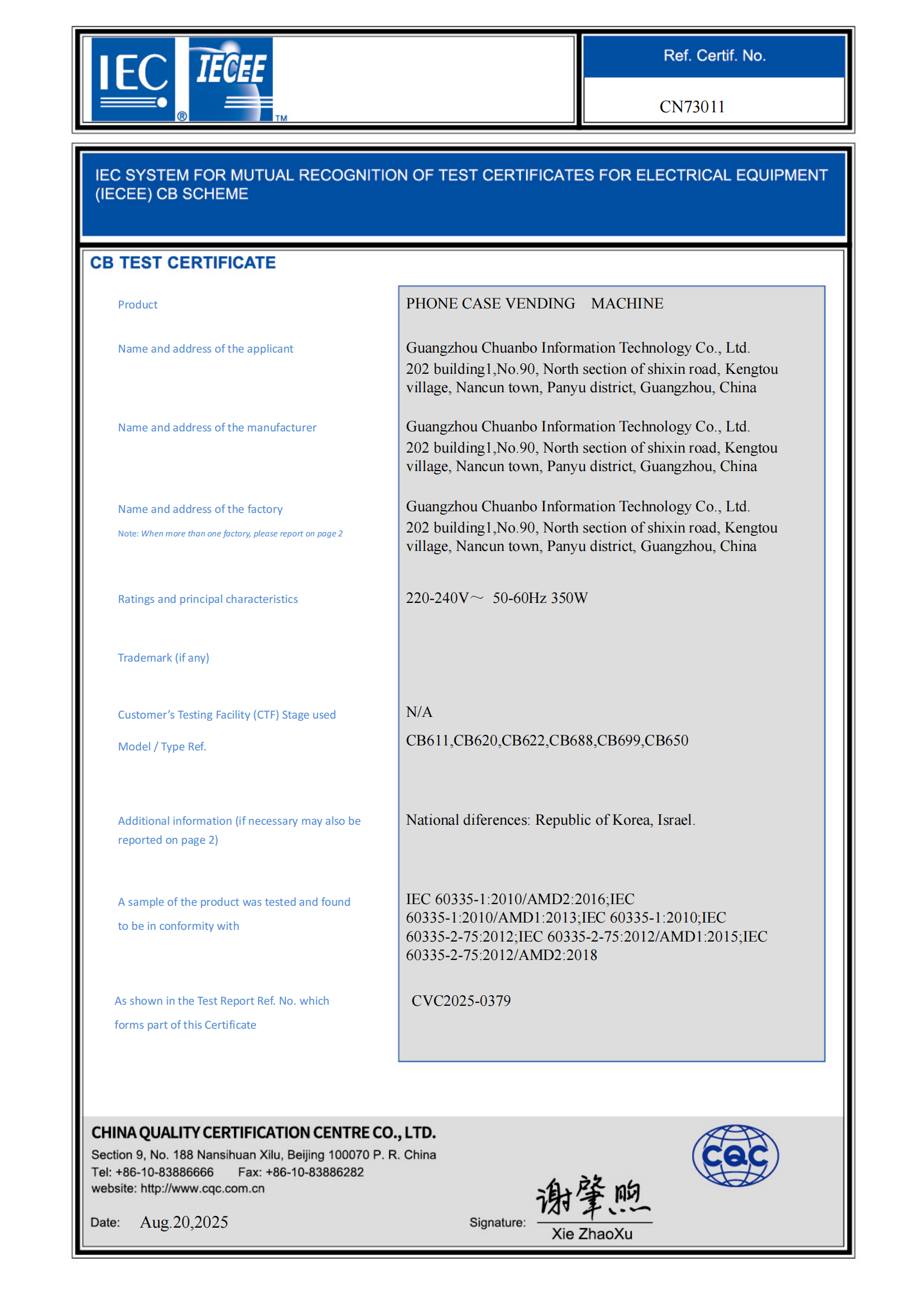

CN73011
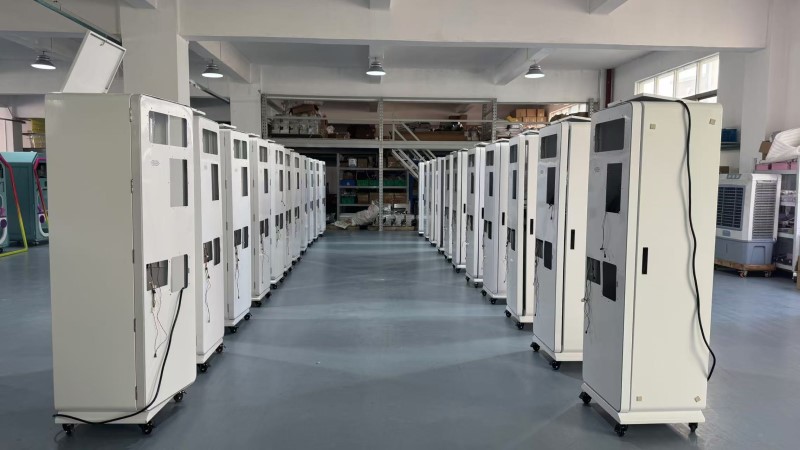
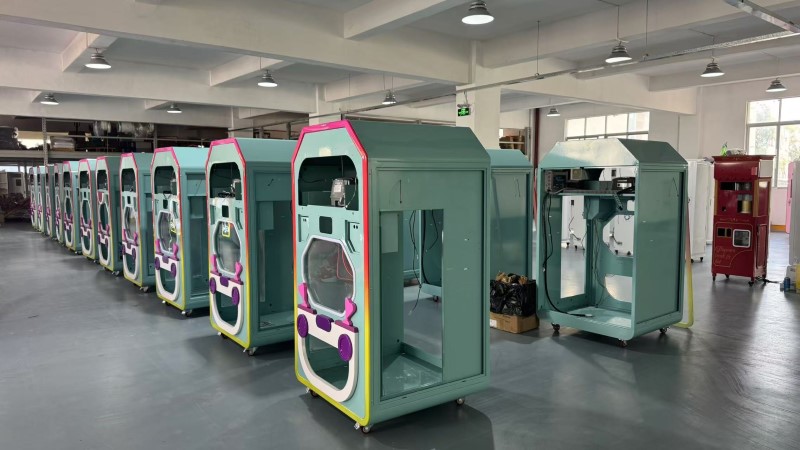
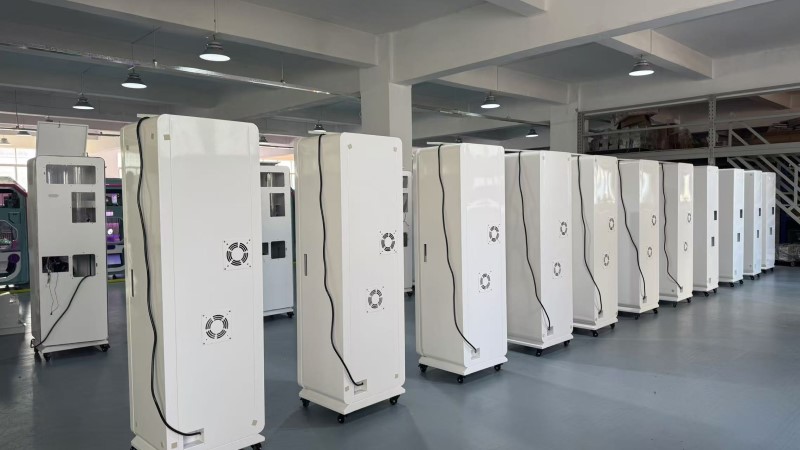
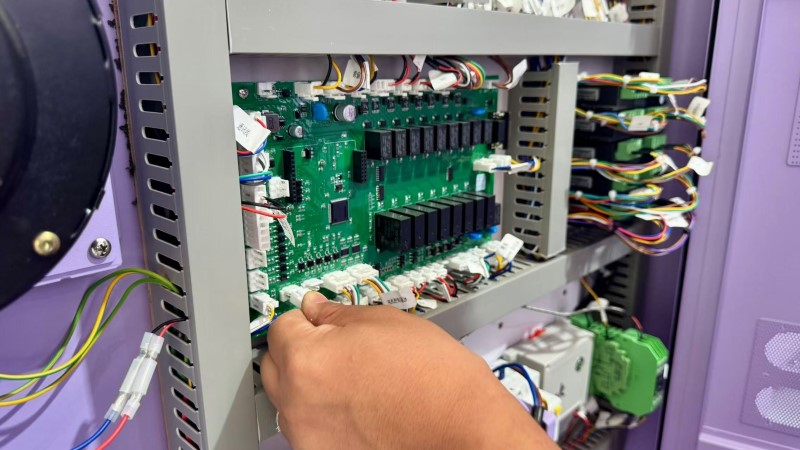
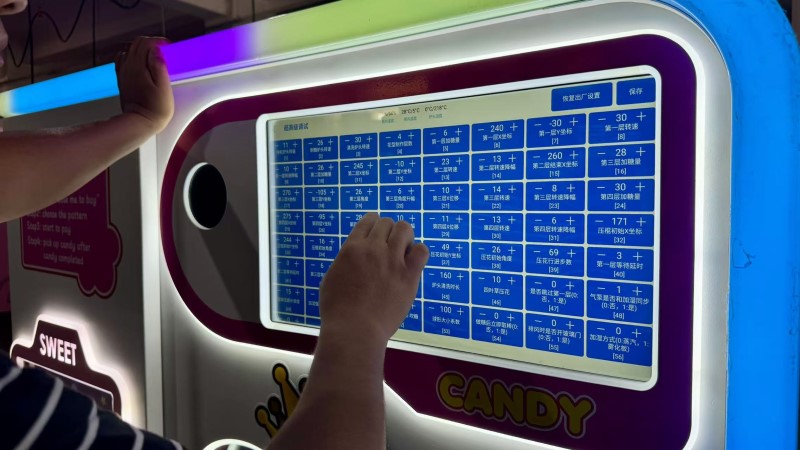
Visual evidence supports E-E-A-T when it is tied to real production, inspection or equipment context. These source images are retained in their original sequence and displayed without forced cropping.
The equipment category is moving from stand-alone dessert machinery toward connected, self-service retail nodes. Buyers now compare labor resilience, food safety, payment coverage and remote support alongside price and cooling performance.
Frozen yogurt and soft-serve operators are designing around staff shortages, high rent and extended trading hours. Robotic or self-service vending reduces repetitive labor, enables 24/7 sales in transit hubs and supports consistent portioning. For suppliers, this shifts importance toward error recovery, cleaning routines, remote diagnostics and spare-part modularity.
Energy volatility makes compressor efficiency, insulation and defrost logic commercial issues rather than engineering footnotes. Buyers also ask about food-contact materials, cleanability, waste management and temperature stability. CE and RoHS records help start the conversation, but hygienic design and validated cleaning procedures remain model-level concerns.
Cashless expectations differ by country: QR codes, cards, coins, banknotes and mobile wallets may coexist in one venue. Multi-payment smoothie kiosks and vending machines in the portfolio reflect this demand. Exporters need to support voltage, plug, language, currency and network configuration without weakening compliance or serviceability.
Smart vending increasingly depends on stock alerts, sales dashboards, fault notifications and remote software updates. These features are not a substitute for good refrigeration or hygienic design, but they improve uptime and help distributors plan spare parts. Buyers should test data ownership, connectivity requirements and offline fallback before committing to a fleet.
Global demand for frozen yogurt machines and automated dessert vending is not a single market. It is a set of region-specific buying motions. In mature retail markets, buyers are replacing or upgrading equipment to reduce labor and improve customer experience. In emerging markets, distributors are building category portfolios and looking for suppliers that can support mixed containers, spare parts and operator training. In both cases, the phrase CE certified frozen yogurt machine suppliers & exporters signals a search for reduced compliance risk, not simply a lower purchase price.
The supplied profile reports its main markets as North America (25%), South America (16%) and Eastern Europe (15%). That mix suggests experience with different voltage systems, documentation expectations and payment habits. North American buyers often ask about UL or equivalent electrical evidence and after-sales responsiveness; European buyers focus on CE, UKCA where applicable, RoHS and technical file discipline; South American distributors frequently balance price competitiveness with spare-part availability and Spanish-language service planning. Eastern European buyers may combine CE requirements with flexible logistics and multi-country distribution.
Enterprise procurement teams are also more analytical than in the past. They compare total cost of ownership across energy use, cleaning labor, downtime, payment fees, spare parts and reconfiguration. A machine that is inexpensive to buy but expensive to maintain can destroy the economics of an unattended frozen yogurt location. Suppliers that provide clear documentation, consistent model naming and export packaging reduce friction at the exact point where purchase orders are approved.
Data is reproduced from the supplied supplier profile and is not a global market forecast. Other markets are not specified in the source record.
Mall operators, cinemas, theme parks and franchisees want high-footfall dessert automation that is simple for staff and attractive to families. Frozen yogurt, soft ice cream and cotton candy can be merchandised together to raise average transaction value.
Wholesalers want stable product platforms, clear spare-part lists, export packaging and repeatable documentation. They compare suppliers less on one machine and more on the ability to build a multi-product catalogue for retail and entertainment clients.
Procurement and QA teams ask for certificate scope, Declaration of Conformity, model-match evidence and component declarations. Suppliers that answer these questions quickly shorten the sales cycle and reduce the risk of customs or market-entry delays.
China’s vending and commercial food-equipment ecosystem is no longer defined only by lower labor costs. The competitive advantage now comes from industrial clustering: refrigeration components, sheet-metal fabrication, electronics, payment modules, packaging and export logistics can be coordinated within a mature supplier network. For frozen yogurt machine buyers, that ecosystem can shorten development cycles and make spare-part sourcing more practical—provided the factory has the process discipline to match its access to components.
The supplier record shows five production lines, 25 production machines and 1,890㎡ of floor space. These are useful scale indicators, but sophisticated buyers look deeper. They ask how incoming components are checked, how models are separated on the line, how testing is documented, how packaging survives multi-modal transport and how an engineer in another country can diagnose a fault without ambiguity. The profile states that quality control is conducted on all production lines and that inspection method follows the client’s requirement, while raw-material traceability is listed as “No.” That transparency matters: it tells buyers where to add contract clauses, batch records or third-party inspection.
Supply-chain resilience also depends on product architecture. A machine that shares control boards, payment interfaces, refrigeration modules or cabinet parts across several vending models is easier to support than a highly bespoke system with unique components. At the same time, too much standardization can limit localization. The practical balance is a stable platform with configurable voltage, payment, language and cabinet branding where available. Because the profile lists customization options as “no,” enterprise buyers should confirm the approved configuration list before assuming OEM/ODM flexibility.
Factory 4.0, in this context, is not a slogan about fully automated lights-out production. It is the disciplined use of digital records, standardized fixtures, calibrated testing equipment, repeatable work instructions and export documentation. For a CE-focused frozen yogurt machine program, that discipline is what turns a certificate into a reliable shipment.
Access to specialized component suppliers can reduce lead times and support faster iteration on vending hardware. Buyers should still map critical components and request approved-brand equivalents for compressors, controllers, payment devices and refrigeration parts.
Production-line quality control is a strong starting point. For higher-volume orders, pre-shipment inspection, functional cycle testing and packaging drop checks are sensible additions, especially when raw-material traceability is not provided by default.
Compliance documentation and commercial documents must stay aligned: model name, certificate scope, invoice description, voltage, plug and packing list. Mismatches can slow customs clearance and create avoidable arguments with distributors.
Dessert vending is being reshaped by the same forces affecting retail and foodservice: labor availability, real-estate productivity, cashless payments and customer expectations for speed and hygiene.
Consumers now accept self-service purchase for ice cream, smoothies and other desserts. Operators are using compact automated formats to extend selling hours in cinemas, transit hubs, hotels and entertainment venues without expanding staffing. This increases demand for machines that are easy to restock, clean and monitor.
In premium locations, a machine failure is not only a repair bill; it is lost revenue during peak weekends. Buyers should evaluate service response, spare-part lead times and remote diagnostics readiness. A strong supplier profile should connect production capacity with after-sales processes, not stop at the factory floor.
Electrical safety, food-contact materials, electromagnetic compatibility and environmental compliance are increasingly checked across markets. CE is essential for the EU, UKCA for the UK in many categories, and other approvals such as UL, KC and PSE may be requested by distributors. Country-specific legal review remains essential.
Frozen yogurt equipment succeeds when the machine matches the venue’s traffic pattern, payment behavior and service model. The same model may need different voltage, language, payment and cabinet treatment in different regions.
High-footfall family venues benefit from self-service soft ice cream, frozen yogurt and cotton candy machines. Fast payment, visible production, child-friendly interfaces and reliable cleaning routines matter. Operators often pair dessert vending with advertising screens or loyalty promotions.
Outdoor and indoor locations need robust uptime, easy replenishment and clear service escalation. Outdoor deployments should be specified with appropriate protection and power conditions; buyers should not assume a standard indoor machine is weather-ready without confirmation.
These sites prioritize cashless payment, multilingual guidance, food safety and low staffing. Vending formats for smoothies and soft ice cream can work well where long opening hours and predictable demand exist, but hygiene routines and supplier service coverage are critical.
Dedicated frozen yogurt shops and quick-service restaurants may use automated dessert equipment as a complementary revenue stream. Buyers should validate throughput during peak hours, topping workflow, cleaning time and menu integration before committing to fleet rollout.
Use this checklist to convert supplier claims into verifiable evidence. It is designed for importers, distributors and operators evaluating a first order or a multi-unit rollout.
Match the model, voltage, plug and configuration to the CE/UKCA documentation. Request the current Declaration of Conformity and confirm who holds the technical file.
Ask for food-contact material declarations, cleaning instructions, drainability, pest-control considerations and replacement-part access for bowls, augers, nozzles and dispensing areas.
Confirm voltage, frequency, plug type, breaker requirements and surge protection. A machine certified for one electrical configuration should not be silently shipped with another.
Test QR, card, coin, banknote and mobile-wallet options required by the destination market. Confirm language, currency, tax display and offline behaviour before fleet deployment.
Request recommended spare-part kits, consumable lists, fault-code manuals and response-time expectations. For distributors, clarify training and first-line technical support responsibilities.
The profile lists raw-material traceability as “No” and one QA/QC inspector. For larger orders, third-party inspection, batch documentation and pre-shipment functional testing are prudent risk controls.
These answers focus on compliance, application fit, export planning and the evidence available in the supplied supplier profile.
The supplier profile lists CE certificate records, including M.2022.206.C73909 and CTICAF311241220042487DC, alongside UKCA, RoHS, UL, KC, PSE and CB records. CE marking is model- and configuration-specific, so buyers must request the current Declaration of Conformity and confirm that the exact purchased machine is within the certified scope.
The profile reports nine years exporting and main markets in North America (25%), South America (16%) and Eastern Europe (15%), with English as the accepted language. Export feasibility for a specific country still depends on the model, voltage, plug, payment configuration, local market-access rules and logistics plan.
Frozen yogurt machines are typically formulated for lower-fat or yogurt-based mixes and may require different temperature, aeration and cleaning profiles. Soft ice cream vending machines are designed around ice cream mix and often emphasize self-service dispensing, payment and unattended operation. Operators should validate mix compatibility, overrun, texture and cleaning requirements with the supplier before purchase.
The portfolio includes multi-payment smoothie kiosks and vending machines referencing QR code, card, coin and banknote options, as well as credit-card payment systems. Because payment modules vary by model and destination, buyers should confirm the exact hardware, currency, settlement process and offline behaviour in the quotation.
The supplier profile lists customization options as “no,” although several product titles reference OEM/ODM language. This apparent gap should be clarified in writing. Buyers should ask for an approved configuration sheet covering voltage, plug, language, branding, payment and software before assuming customization is available.
Common applications include shopping malls, cinemas, amusement parks, theme parks, airports, campuses, hospitals, retail chains and frozen dessert shops. The right choice depends on footfall, indoor or outdoor placement, payment habits, cleaning labor, service distance and the product mix the operator wants to sell.
The profile states that quality control is conducted on all production lines and that the inspection method follows the client’s requirement, with one QA/QC inspector. Raw-material traceability is listed as “No.” For enterprise orders, buyers should strengthen quality assurance with third-party inspection, functional testing and batch-level documentation.
The supplied profile does not disclose MOQ, production lead time or shipping terms. Buyers should request a formal quotation that states the model, configuration, certificate scope, MOQ, production schedule, packaging, warranty and spare-parts package. Avoid relying on catalogue text alone for delivery commitments.
The remaining eight product entries are retained with their original URLs and images. They support broader dessert, entertainment and self-service retail programs alongside frozen yogurt and soft-serve equipment.