Imler
Imler
Imler
Imler
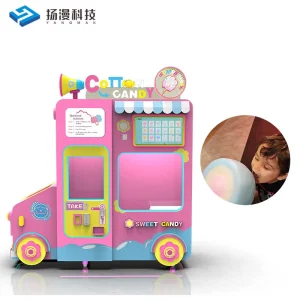
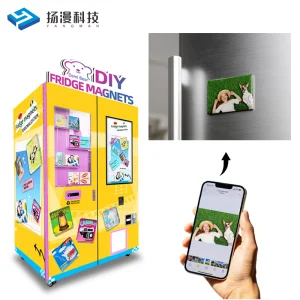
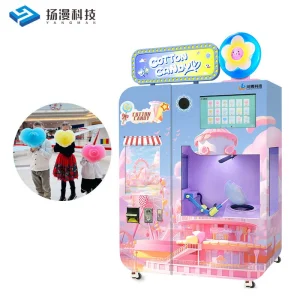
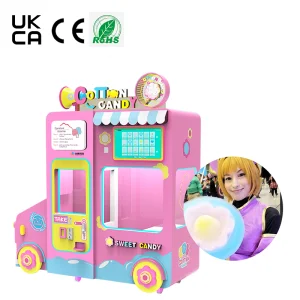
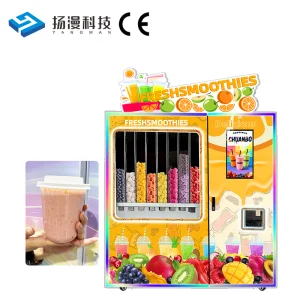
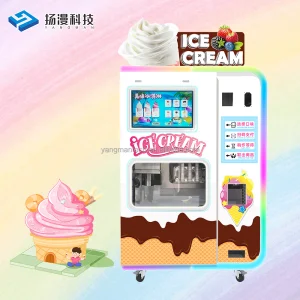
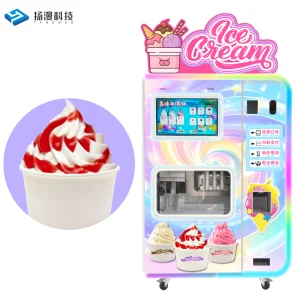
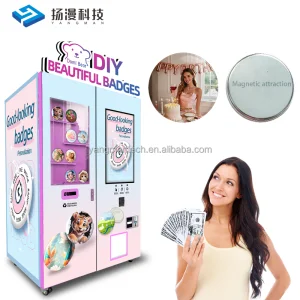
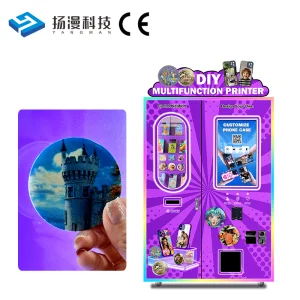
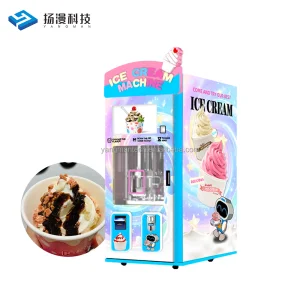
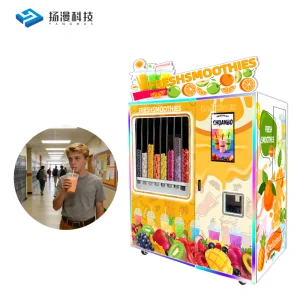
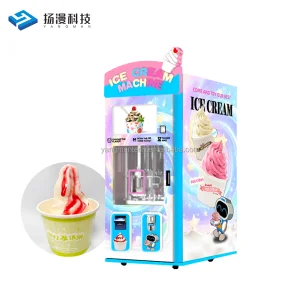
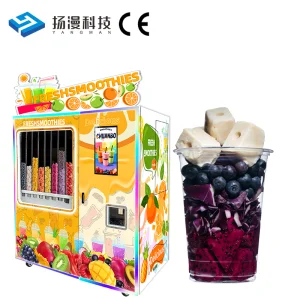
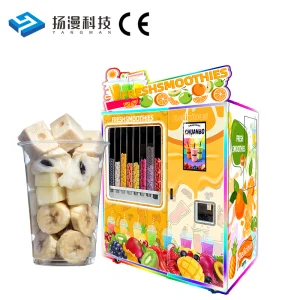
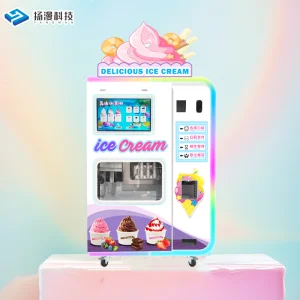
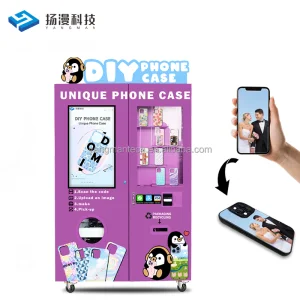
Alongside our premium French Press manual brewing hardware, we engineer and supply top-tier automated vending hardware and smart processing electronics globally. Explore our flagship smart terminal collection.
As the specialty coffee market achieves record-breaking global valuation, the role of a certified, reliable, and premium hardware supplier becomes critical. Professional buyers, import-export specialists, and retail chains searching for a CE Certified French Press Coffee Maker Supplier & Suppliers require more than basic product catalogs. Sourcing managers demand deep technical clarity, material testing compliance, production capacity benchmarks, and verifiable quality-assurance protocols.
This industry report acts as a definitive technical manual. We break down the complex mechanics of manufacturing, regulatory pathways, localized market customization, and how advanced manufacturing processes ensure high-yield distribution pipelines for manual coffee brewers and commercial equipment ecosystems alike.
A high-performance French Press is an optimization system designed to manage extraction temperatures, pressure limits, and particulate filtration. Choosing the wrong supplier means risking thermal cracking, rust formation, and chemical leaching into acidic beverages.
We source ultra-dense SUS304 (18/8) and SUS316 medical-grade stainless steel. Standard suppliers often use SUS201, which degrades under acidic coffee oils. Our double-walled carafes feature 0.8mm-1.2mm steel thickness with vacuum insulation barriers, maintaining temperature longer than glass.
For glass-walled French Presses, we import high-borosilicate glass (SiO2 > 80%, B2O3 > 12.5%). This material provides a low thermal expansion coefficient (3.3 × 10^-6 K^-1), allowing it to withstand sudden thermal shifts up to 150°C without cracking, outperforming cheap soda-lime alternatives.
Our plunger assembly uses a micro-mesh design containing 80-mesh stainless steel screen paired with a 3D-molded helical spring edge. This structure prevents particulate bypass (sludge), delivering a clean cup profile while maintaining the rich body typical of immersion brewing.
| Performance Dimension | Standard Household Grade | CE Certified Commercial Premium |
|---|---|---|
| Steel Composition | SS 201 / SS 202 (High manganese content) | SS 304 / SS 316 (Superior corrosion resistance) |
| Thermal Shock Resilience | Up to 70°C (Soda-lime glass) | Up to 150°C (High Borosilicate Glass) |
| Filter Mesh Screen | Single 40-50 Mesh (Gritty cup profile) | Double-Stage 80 Mesh (Ultra-fine filtration) |
| FDA/LFGB Compliance | Non-certified or basic self-declaration | Third-party certified food contact safety reports |
Why is CE certification non-negotiable for French Press importers? Within the EU market, any product intended for food contact must comply with strict safety frameworks. Under European Regulation (EC) No 1935/2004, materials must not transfer their constituents to food in quantities that endanger human health or alter the food’s taste.
For coffee makers specifically, the applicable standard is EN 12546-1 (Materials and articles in contact with foodstuffs - Insulated containers for domestic use). This standard mandates strict structural evaluations:
Working with an ISO 9001:2015 and BSCI audited supplier ensures every production run undergoes testing by independent third-party labs like SGS, TÜV, or Intertek, preventing customs delays or product recalls.
Bulk purchasers of French Press coffee makers face shifting consumer preferences. Today's commercial buyers fall into distinct categories, each requiring specific customization configurations:
A. HORECA Sourcing: Hotels, restaurants, and cafes demand extreme durability. Double-walled stainless steel models with PVD (Physical Vapor Deposition) coatings are preferred to eliminate glass breakages while matching modern interior designs.
B. Private Label and E-Commerce Retailers: Amazon sellers and premium lifestyle brands search for OEM/ODM suppliers capable of custom surface finishes (powder coating, copper plating, wood-pattern handles) and eco-friendly custom packaging solutions.
C. Corporate Gifts and Hospitality Chains: High-volume custom laser engraving, high-impact retail presentation boxes, and bundled accessory kits (scoops, extra filters) are key value additions.
Client Retention Rate
Tons Stainless Steel Processed/Mo
Lead Content Compliance
Average Technical Support Response
Our manufacturing complex uses the latest Factory 4.0 methods. Rather than relying on manual production lines that introduce variations, our facility integrates automation to ensure consistency and speed.
Using automated robot arm welding systems for double-wall metal carafes ensures perfect sealing, protecting the vacuum barrier from failure. Precision CNC laser cutting tools guarantee accurate edge alignment for steel filtration mesh, minimizing raw material waste and keeping prices competitive.
This precision manufacturing and automated control is also applied to our smart commercial vending product line. The same advanced metal fabrication, electronics integration, and strict quality control standards are applied to our advanced smart vending and automatic beverage machines, delivering reliability for self-service retail systems.
A versatile French Press design must adapt to varying regional usage profiles:
Addressing the core technical and logistics concerns of global sourcing managers and distributors.
Leveraging our precision thermal, electrical, and sheet-metal fabrication technologies, we manufacture advanced commercial vending terminals for global distribution. Explore our advanced solutions portfolio below.