Imler
Imler
Imler
Imler
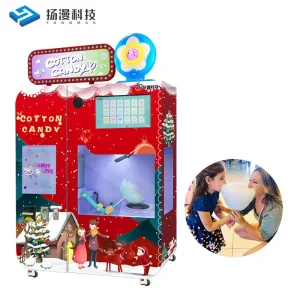
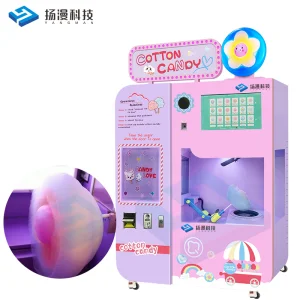
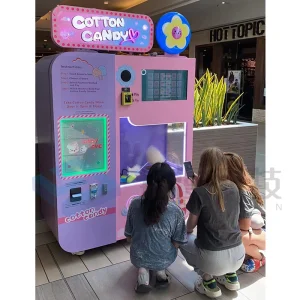
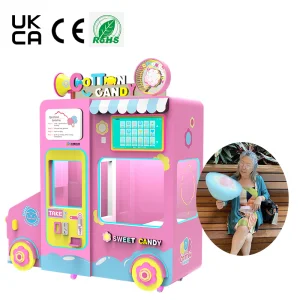
Integrating micro-motor precision and heating technology into autonomous retail systems. Explore our signature product configurations below.
Uncompromising micro-mechanical design meets food-grade safety standards. How top-tier Chinese manufacturers shape the future of handheld liquid frothing.
In the global hospitality, appliance, and premium coffee accessory sectors, the electric coffee whisk (commonly designated as a milk frother or beverage mixer) has evolved from a simple kitchen novelty into a precision-engineered kitchen tool. High-growth importers and enterprise procurement agencies are no longer looking for low-cost disposable mixers. Instead, market demand has shifted dramatically toward CE-certified, high-torque, rechargeable brushless motor systems that deliver repeatable consistency in texture and foam quality.
As leading exporters, we align our product development pipelines with the rigorous requirements of European Union regulations, focusing on electromagnetic compatibility (EMC), safety directives, and food contact hygiene standards. In this comprehensive guide, we dissect the supply chain capabilities, motor technology breakthroughs, and macro-industrial solutions that set China's premier manufacturers apart on the world stage.
Utilizing high-efficiency micro-motors operating between 12,000 to 19,000 RPM. This optimized velocity range allows for perfect microfoam formulation without shearing the milk proteins, ensuring a glossy, barista-grade foam texture.
Constructed entirely of premium Grade 304 or 316 stainless steel. Corrosion-resistant, acid-resistant, and entirely compliant with FDA (US) and LFGB (Europe) food-contact material regulations, guaranteeing absolute consumer safety.
Moving away from legacy AA/AAA battery configurations. Modern electric coffee whisks integrate lithium-ion batteries featuring smart power-saving circuitry, providing up to 3 hours of continuous runtime on a single charge.
Why China's manufacturing clusters in Ningbo, Shenzhen, and Guangdong remain the global epicenters for precision beverage prep technologies.
China’s advanced kitchen appliance clusters offer a level of vertical integration that is unmatched globally. From injection molding facilities and custom PCB prototyping to high-speed winding machinery for copper wire micro-motors, our facilities ensure that every component is produced under strict quality control parameters.
By leveraging integrated regional supply chains, our factories reduce material waste and lead times. This allows us to offer competitive pricing structures without sacrificing materials quality. Advanced automated optical inspection (AOI) lines test battery performance and motor alignment before assembly, mitigating manufacturing faults prior to shipment.
Additionally, our factories have adapted to the demand for rapid prototyping. For B2B buyers looking to customize branding, adjust handle ergonomics, or develop tailored gift packaging, our in-house engineering and industrial design teams can deliver functional 3D-printed prototypes in as little as 3 business days.
Tracking the structural market changes, environmental factors, and consumer behavior shaping product designs in 2025 and beyond.
Modern consumers expect versatile tools. Brands are increasingly bundling electric whisks with interchangeable heads, including balloon whisks for eggs, double-spring coils for heavy creams, and specialized dough hooks for artisanal baking prep.
High-end lines are rapidly adopting brushless DC (BLDC) motors. These motors reduce operating noise (under 50dB), improve torque delivery, and extend the average lifespan of the unit by up to 300% compared to traditional carbon brush motors.
With tightening ESG regulations across North America and Europe, global buyers prioritize suppliers using Post-Consumer Recycled (PCR) plastics for outer housings, plastic-free cardboard packaging, and lead-free solder configurations.
From handheld mixers to complex robotic vending kiosks: bridging the gap between kitchen accessories and smart industrial retail.
At an enterprise scale, automated food preparation is experiencing a convergence. The same foundational mechanical principles—namely, precision motor speed control, liquid homogenization, and automated delivery—are used to power our consumer-grade electric whisks as well as our larger, automated commercial vending machines. Our engineering team designs motor drive boards that can be scaled up or down, allowing us to build solutions across multiple verticals of the modern beverage industry.
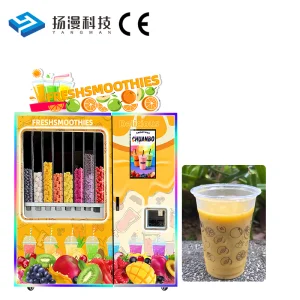
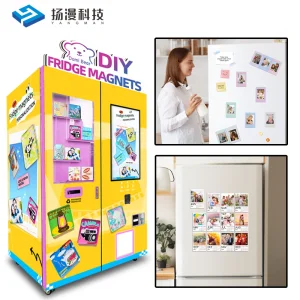
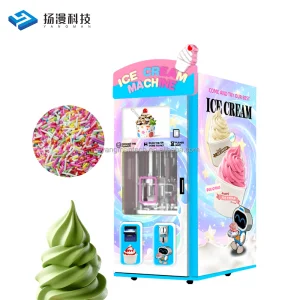
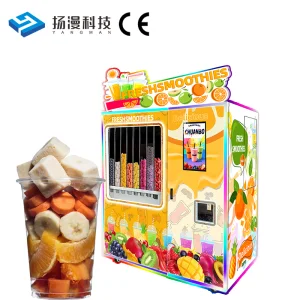
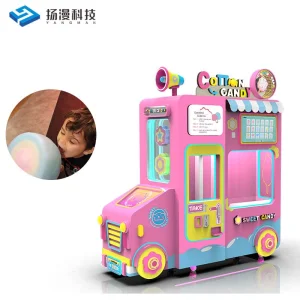
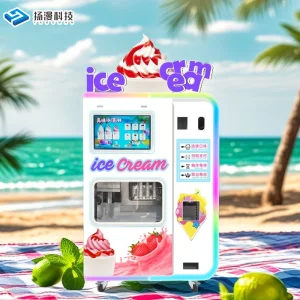
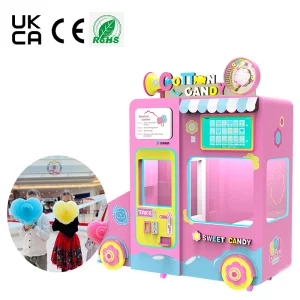
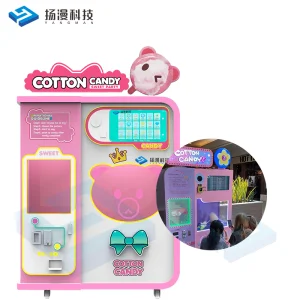
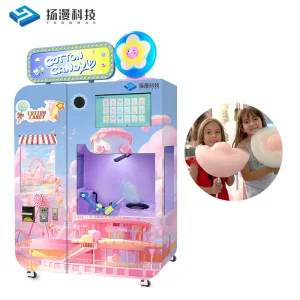
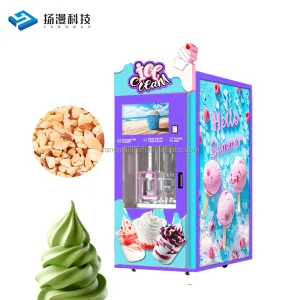
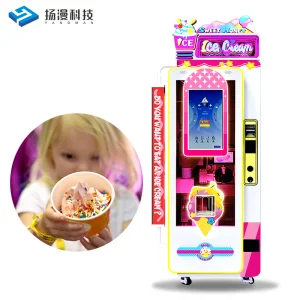
For instance, while a handheld whisk satisfies the instant milk frothing needs of home baristas and boutique cafes, our commercial division designs complex, self-service automated kiosks. By incorporating precision motors, touch-screen user interfaces, and automated billing software, we create unattended systems that craft cotton candy, smoothies, and ice creams with zero manual intervention. These systems leverage the same robust mechanical reliability required to obtain global regulatory approvals like CE, FCC, and RoHS.
Combining mechanical actuators, heating elements, and micro-processing units. Our automated systems (such as the Cotton Candy and Ice Cream Vending series) utilize closed-loop feedback systems to monitor internal temperatures, rotational speeds, and dispensing consistency. This guarantees reliability in high-traffic shopping centers, airports, and entertainment hubs.
Our commercial beverage and dessert machines feature custom-configured Android/Linux operating systems, integrated 32-inch high-definition touch screens, and global multi-language localization. Payment systems are designed with MDB protocols, seamlessly supporting credit cards, mobile wallets (Apple Pay, Google Pay), and regional coin acceptors.
Navigating the complex technical requirements of B2B procurement, from custom branding to final logistics.
| Procurement Factor | Standard Specification | Compliance / Verification |
|---|---|---|
| Regulatory Certifications | CE (LVD & EMC), RoHS, REACH, FDA, LFGB | SGS or TUV Rheinland testing reports provided with every production run. |
| Minimum Order Quantity (MOQ) | OEM Branding: 1,000 units | Custom Colorway: 3,000 units | Sample approval required before deposit collection. |
| Standard Production Lead Time | 25 to 35 calendar days (post-deposit & artwork confirmation) | Strict penalty clauses for delivery delays included in B2B supply agreements. |
| Quality Assurance Framework | AQL 1.5 Major / 4.0 Minor inspection protocols | Acceptance of third-party pre-shipment inspections (e.g., QIMA, V-Trust). |
| Customization Options (ODM) | Custom housing ergonomics, variable speed levels, custom whisks | Co-development contracts secured under strict Non-Disclosure Agreements. |
Technical answers to the most common questions raised by quality assurance managers, compliance directors, and bulk buyers.
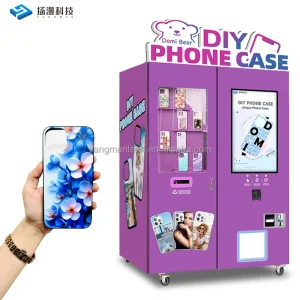
Advanced high-capacity mechanical dispensers for global commercial operations. Original catalog models and direct purchase paths.