Imler
Imler
Imler
Imler
Explore our core selection of smart automated dispensing and printing machinery, integrated with global compliance standards.
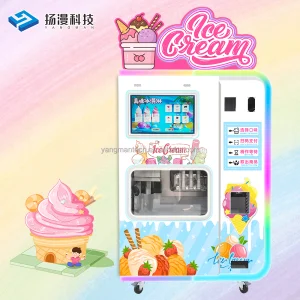
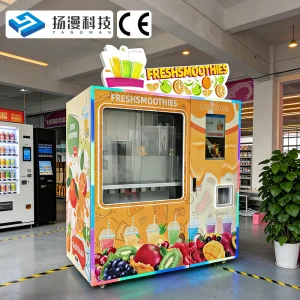
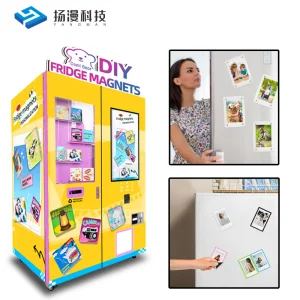
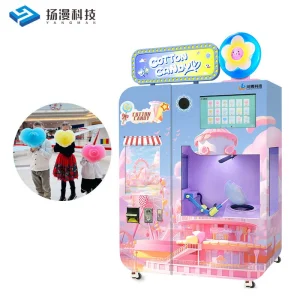
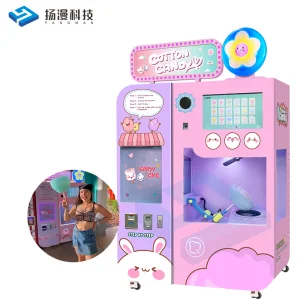
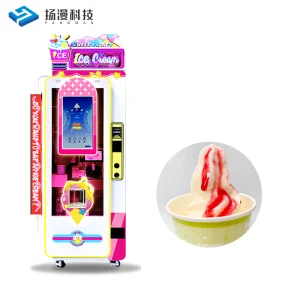
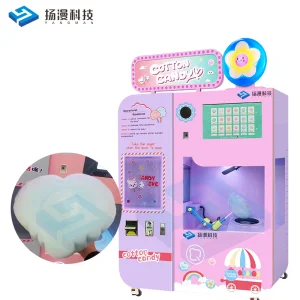
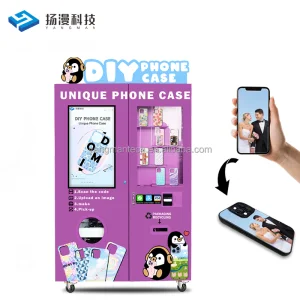
An authoritative analysis of coffee brewing systems, filtration science, and automated smart retail engineering.
“The global commercial coffee filter machine industry is experiencing an unprecedented technological convergence. Standard traditional drip brewing has evolved into smart, cloud-managed extraction ecosystems that merge hydro-extraction science, thermal engineering, and mechanical automation. Ensuring safety via CE Certification is no longer optional—it is the foundational standard for worldwide deployment.”
As the international hospitality and automated food service sectors project double-digit compound annual growth rates (CAGR) through 2030, the demand for precision industrial-grade extraction machinery has intensified. The global market is shifting from manual commercial brewers to automated, smart-filtration platforms. In regional markets such as Western Europe, North America, and parts of East Asia, municipal water regulations, strict food safety laws, and demand for electrical conformity require machines that possess comprehensive European Conformity (CE) marking, along with equivalent international certifications.
Modern commercial coffee filtration operations require equipment capable of handling high daily volumes while preserving the organoleptic properties of the coffee. This requires state-of-the-art flow control, PID-regulated heating elements, and food-grade metallurgical components. At our manufacturing facility, we specialize in bridging the gap between mechanical durability and computational precision, developing systems that function smoothly inside busy cafes, convenience store networks, and unmanned robotic retail environments.
The automated beverage and coffee hardware sector is currently defined by three major disruptions:
A look at the underlying mechanics, components, and safety systems of our certified industrial products.
Features dual-stage proportional-integral-derivative (PID) controllers to maintain water temperature within a ±0.2°C variance, ensuring consistent extraction from start to finish.
Constructed using food-grade SUS304 and SUS316 stainless steel. Meet standard electrical safety directives (LVD 2014/35/EU) and electromagnetic compatibility requirements (EMC 2014/30/EU).
Integrated multi-layer dynamic scale prevention and carbon filtration systems designed to eliminate calcium deposits, optimize water hardness, and enhance taste characteristics.
Our standardized technical architectures are built for continuous commercial operations worldwide.
| Performance Metrics | Commercial Grade Standard | Industrial Grade Peak | Regulatory Verification |
|---|---|---|---|
| Heating Elements | Single Thermoblock 2200W | Multi-boiler Induction 4500W+ | CE, RoHS Compliance |
| Temperature Regulation | Thermostatic Switch System | Continuous Dual PID Control | EN 60335-2-75 Standards |
| Flow Rate & Dispensing | Gravity Feed Filtration | High Pressure Variable Pump | NSF / Food Contact Safe |
| Chassis Metallurgy | Composite ABS & Alloy | Full Medical-grade SUS316 | Directive 1935/2004/EC |
| IoT Integration | Telemetry Interface Module | SDK/API Cloud Integration | RED Directive 2014/53/EU |
Empowering automated business operations across key commercial sectors worldwide.
Ideal for malls, transit hubs, and commercial centers. Our machines feature MDB payment interfaces, remote telemetry, and high-capacity components that enable reliable 24/7 self-service operations.
Designed to support hotels, restaurants, and catering services. Fast heating cycles and consistent flow rates maintain high service speed, keeping wait times low even during morning rush hours.
Designed for modern smart offices. Features clean UI touchscreen controls, simple maintenance steps, and quiet operation, delivering a premium beverage experience to employees.
Expert answers to critical operational, regulatory, and engineering questions.
Explore our complete line of industrial and automated commercial retail machinery.