Imler
Imler
Imler
Imler
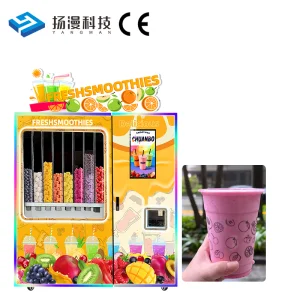
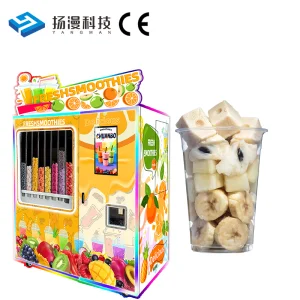
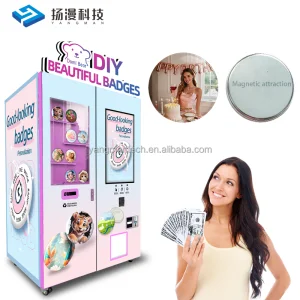
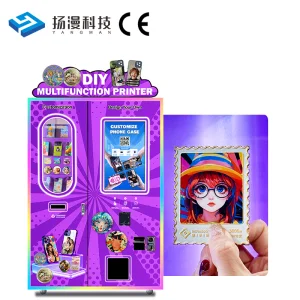
Explore our core manufacturing line, encompassing high-speed edible printing modules, multi-flavor smart vending equipment, and specialized DIY graphic printers designed for commercial deployments.
Modern coffee art printers have evolved far beyond novelty devices. They represent a complex convergence of microfluidics, precision mechanics, and edible organic chemistry. To achieve industrial-grade reliability, manufacturers must resolve complex physical constraints surrounding fluid dynamics and surface tension.
Standard thermal printheads utilize heat to vaporize solvent and eject droplets. However, heat can degrade natural pigments in food dyes. We manufacture using Piezoelectric drop-on-demand (DOD) systems. Microscopic crystal contraction ejects precise droplets at room temperature, maintaining the biological and aesthetic integrity of organic materials.
Edible inks derived from natural extracts present unique challenges. They exhibit different flow behaviors than industrial synthetic inks. Our formulation maintains a specific viscosity range (3.5 to 6.2 cPs) and surface tension (29 to 34 mN/m) using food-safe glycerin and purified water, preventing nozzle clogging and ensuring drop-to-drop consistency.
Coffee cups display varying foam thickness, liquid levels, and surface structures. Our printers incorporate high-precision Time-of-Flight (ToF) laser sensors to map the surface topology of the foam in milliseconds. The micro-stepping motor dynamically adjusts the Z-axis lift to maintain the optimal 2-4mm print gap, avoiding foam collision.
In global procurement, compliance is non-negotiable. Our coffee art printers undergo testing to satisfy the strict requirements of the European Economic Area (EEA), offering complete protection regarding electrical, mechanical, and food contact safety.
Ensures the equipment's internal electrical architectures, operating within 50-1000V AC or 75-1500V DC, prevent shock, arc hazards, or insulation breakdowns. Our power systems use high-grade isolation barriers, grounded metal shields, and premium filters to meet these safety requirements.
Validates that high-frequency control signals from the printer controller do not disrupt nearby electronic systems (such as point-of-sale systems, espresso machines, or routers), and that the printer can withstand external power surges without failing.
Our printheads, cartridge reservoirs, and ink-delivery tubes are made from certified inert, non-leaching plastics. This ensures that no chemical compounds migrate from the printer components into the beverages, preserving pure flavor and safety.
By maintaining strict control over CE-compliant manufacturing workflows, our factory helps importers bypass customs inspection delays. In addition to CE certification, our machinery architectures support compliance with FCC (Class A) regulations for North American deployments, and meet RoHS guidelines to minimize hazardous substances in circuit board assemblies.
Our manufacturing facility in China integrates advanced automated machining, strict quality assurance protocols, and scalable vertical integration to deliver high-performance equipment to partners worldwide.
Using CNC-machined components and robot-assisted alignment systems, we construct structural frames that eliminate vibration. Reducing frame vibration is critical for preventing drop misplacement and ensuring clean, high-resolution printing on dense beverage foam.
Every printer undergoes rigorous thermal, electrical, and mechanical stress tests before packaging. Control boards are cycle-tested under temperature loads, and motion gantries are run continuously for 72 hours to ensure field performance.
Located in China's industrial hardware hub, our facility accesses local suppliers for specialized stepper motors, optical sensors, and precision linear guides. This ecosystem enables shorter lead times, lower manufacturing costs, and rapid prototyping capabilities.
As commercial establishments seek deeper customer engagement and improved operational flow, food printing systems are shifting toward smart, connected, and multi-color architectures.
Next-generation equipment will run on proprietary IoT operating systems, allowing operators to monitor ink levels, run remote printhead cleaning cycles, and update firmware across multiple locations from a central dashboard.
While monochrome printing (coffee brown or black) remains the standard, our research division is engineering high-speed four-color (CMYK) edible ink deposition systems. This allows for printing photo-realistic color images onto milk foam, whipped cream, or pastry glazes.
Integrating on-device AI algorithms will let customers generate custom graphics or portraits directly from their mobile phones. The printer's local chip processes, filters, and formats the image for optimal print results in seconds.
Customized food decoration serves as a powerful marketing asset and customer experience driver. We design systems engineered for integration into various commercial operations.
For high-volume chains, speed and consistency are essential. Our machines integrate directly with local POS networks, allowing staff to select designs quickly. This helps drive social media engagement and increases average ticket value.
Event planners and brand agencies use custom beverage printing to display logos, QR codes, or personalized messages at launches, trade shows, and galas, turning every drink into a branding opportunity.
Through our comprehensive SDK and API documentation, developers can integrate our printing modules into unattended coffee vending kiosks. Customers can purchase a beverage, select or upload a graphic, and receive a completed custom drink without operator assistance.
As a manufacturing partner, we provide clear, reliable service protocols designed to meet the quality, volume, and branding requirements of global distributors.
We provide structural branding, chassis color matching, and custom firmware UI design. We can also integrate your logo into the physical frame and startup screens to align with your brand identity.
Our engineering division provides full API documentation and integration SDKs. This allows technical teams to connect the printer control board with external payment processors, localized membership apps, or custom POS setups.
We manage complex shipping requirements, including shipping sensitive food-grade inks separately from hardware to comply with target destination customs and import regulations.
Review answers to common questions about our food-grade ink technology, machine compliance, and bulk OEM/ODM manufacturing processes.
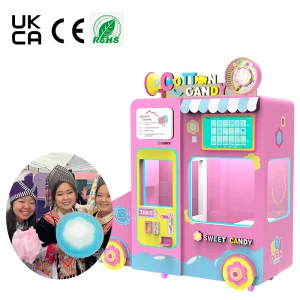
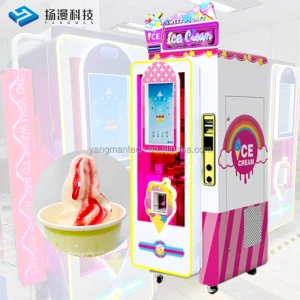
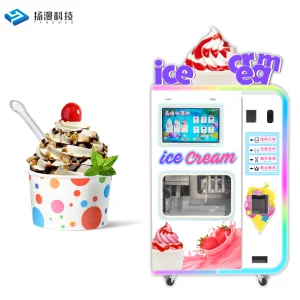
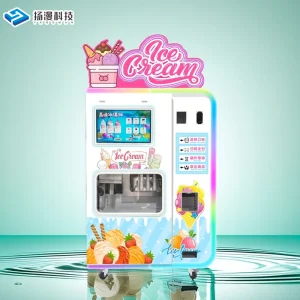
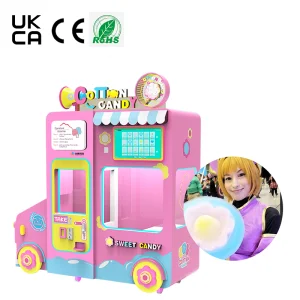
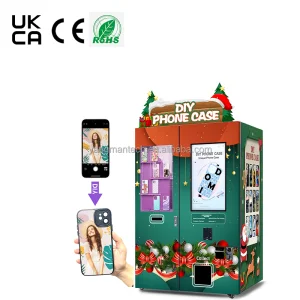
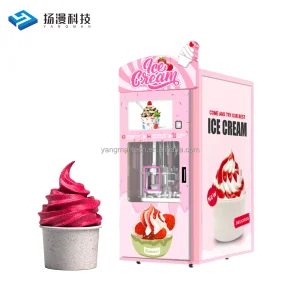
Explore our secondary product line, featuring specialized automatic confectionery machines, payment-integrated printers, and dynamic multi-selection vending kiosks designed for international commercial environments.