Imler Imler

Top 10 Portable Coffee Makers for Wholesale Buyers

Time:2026-09-15 Author:Charlotte
0%

Choosing the right Portable Coffee Maker can shape customer satisfaction, repeat orders, and wholesale margins. For buyers, appearance matters, but performance matters more. A compact brewer should produce consistent coffee beside a campsite, in a hotel room, or during a busy office morning.

This guide examines ten portable models through a wholesale buyer’s lens. We consider brewing capacity, materials, portability, cleaning effort, durability, and supplier support. We also review practical details, such as whether a filter is easy to replace and whether the handle remains secure after repeated use. These points can affect returns and customer reviews.

Real-world testing often reveals more than product specifications. A maker may look impressive in a catalog, yet feel fragile after several weeks of daily handling. Water temperature, grind size, and user habits can also change results. No model suits every market. That is worth remembering. Retail customers may prefer lightweight designs, while hospitality buyers may value speed and larger capacity. Packaging quality, certifications, lead times, and sample testing deserve equal attention. Experienced purchasing teams should request product samples and compare results before placing large orders. Supplier communication also matters when defects appear or shipment details change.

The following selection is not a rigid ranking. It is a practical starting point for informed evaluation. Each recommendation highlights strengths, limitations, and suitable sales channels. Some conclusions may change after regional testing. That is normal. Wholesale decisions improve when evidence replaces assumptions.
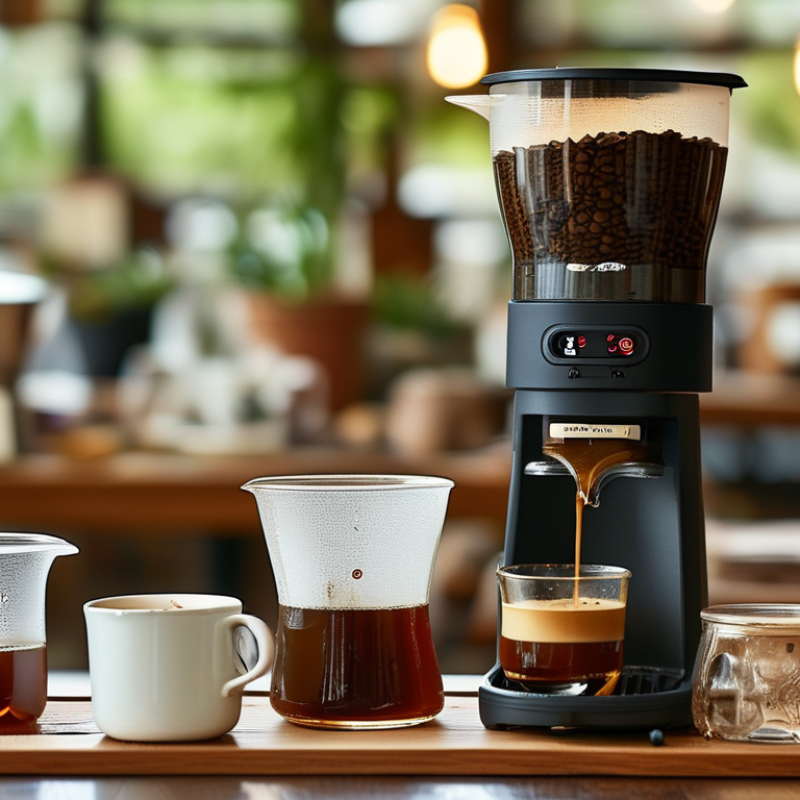
Top 10 Portable Coffee Makers for Wholesale Buyers

Portable Coffee Makers: Types, Uses, and Wholesale Market Positioning

Portable coffee makers serve commuters, outdoor teams, hotel guests, and office workers with limited counter space. Their main types include manual espresso presses, compact pour-over brewers, French presses, and battery-powered units. Each format creates a different wholesale opportunity. Manual models suit travel retailers because they need no outlet. Pour-over sets are lighter and easier to explain. French presses offer familiar brewing, but glass parts can increase breakage during shipping. Battery-powered makers attract convenience-focused buyers, although charging requirements complicate inventory planning. Weight matters.

For wholesale buyers, positioning should connect product design with the user’s setting. A rugged brewer fits camping suppliers, while a slim, gift-ready model suits corporate purchasing. Cafés may prefer consistent extraction and replaceable seals. Hospitality buyers often value quiet operation, simple cleaning, and fast staff training.

During product testing, measure packed size, brewing time, water capacity, leakage risk, and accessory availability. Ask for sample units before committing to volume. A low unit price can hide costly returns. Not every buyer agrees.

Reliable sourcing also requires clear material information, packaging tests, and documented quality checks. Food-contact components should have appropriate compliance evidence for the destination market. Avoid vague claims such as “professional quality” without test details. Wholesale assortments work better when they include different price points, colors, and use cases, rather than ten similar designs. One weakness remains: portable brewing performance can change with grind size and water temperature. That reality should appear in product instructions and sales training. Otherwise, customer complaints may reflect poor guidance, not poor equipment.

Key Criteria for Evaluating Portable Coffee Makers in Bulk

Top 10 Portable Coffee Makers for Wholesale Buyers

Key Criteria for Evaluating Portable Coffee Makers in Bulk

Wholesale demand deserves careful measurement. The National Coffee Association’s Spring 2024 report found that 67% of American adults drank coffee the previous day. USDA’s June 2024 Coffee: World Markets and Trade report projected 176.2 million 60-kilogram bags of global production for 2024/25. These figures suggest strong consumption, but they do not guarantee sales for every portable format.

Evaluate brewing consistency before appearance. Test ten units from different cartons, not just one sample. Measure water temperature, extraction time, leakage, and cup volume. A compact brewer should fit standard travel bags without fragile hinges or loose seals. Confirm that filters, lids, and gaskets remain available for repeat orders. Small replacement parts can create large customer-service costs.

Materials need practical inspection. Food-contact components should have clear compliance documentation for the destination market. Stainless steel may improve durability, while some plastics reduce weight and shipping expense. Neither option is automatically superior. Ask suppliers for laboratory reports, batch records, and packaging drop-test results. Check whether instructions remain readable after condensation and repeated handling. This detail is often missed.

Wholesale pricing should include defect rates, freight, spare parts, and returns. A low unit price can hide inconsistent grinders, blocked filters, or difficult cleaning. Request pilot quantities before committing to a large purchase. That gap matters. Real-world testing may reveal that a slightly heavier model survives daily use better, although buyers may resist its higher landed cost. Research should challenge assumptions, not simply confirm them.

Top 10 Portable Coffee Maker Options and Their Core Features

For wholesale buyers, portable coffee makers should be judged by use case, not appearance alone.

A manual lever espresso maker offers pressure control and a compact body. A battery-powered espresso maker adds heating, but battery life needs careful testing. A pour-over cone is lightweight, inexpensive, and easy to display.

A collapsible silicone dripper saves storage space, though soft materials may feel less premium. A travel French press combines brewing and drinking in one container. Its filter must resist fine sediment.

A compact moka pot suits strong coffee and works well on compatible heat sources. A vacuum brewer creates a cleaner cup but requires more handling. A cold brew bottle needs a tight seal and a removable filter.

A capsule-compatible brewer offers speed, yet buyers should check capsule fit before ordering. A hand-powered grinder completes the setup and adds control over grind size.

Small details affect wholesale returns.

Check lid threads, filter seams, handle strength, and cup markings. Test each model with coarse and fine grounds. Some products claim easy cleaning, but trapped coffee oils can prove otherwise. That matters in hotels, offices, outdoor stores, and travel kits. Packaging should protect glass parts and explain brewing steps clearly. Buyers may also compare replacement filters, warranty terms, carton dimensions, and shipping weight. I have found that the lightest option is not always the best seller. Customers often prefer a sturdy latch over a few saved grams. Product testing should include hot water, cold water, uneven surfaces, and repeated opening. Expect a few surprises.

Wholesale Comparison of Capacity, Materials, Pricing, and Customization

For wholesale buyers comparing the top 10 portable coffee makers, capacity should match the sales channel. Compact 300–450 ml models suit commuters and hotel rooms. Larger 600–900 ml models fit offices, travel groups, and outdoor retailers. The National Coffee Association’s 2024 report found that 67% of American adults drank coffee in the past day. That demand supports portable formats, but not every customer wants the same volume. Product testing should measure brew time, leakage, filter replacement, and packed weight. A spreadsheet alone misses these details.

Materials affect both trust and landed cost. Food-grade stainless steel offers stronger impact resistance than thin plastic, while Tritan-style plastic can reduce weight and shipping expense. Silicone seals need careful inspection; one weak gasket can damage a wholesale order. As a working sourcing benchmark, entry models often fall near 6–12 US dollars wholesale, mid-range units near 12–25 dollars, and premium builds above 25 dollars. Pricing changes with order quantity, packaging, tooling, and certification requirements. Custom logos are usually cheaper than custom molds. That distinction is easy to overlook.

Tips: Ask suppliers for three samples from different production batches. Test them with coarse and fine grounds. Request material declarations, carton dimensions, spare-part pricing, and a written minimum order quantity. Custom colors look attractive, but slow-moving inventory can erase the margin. I would also challenge advertised capacity, because some sellers measure the reservoir, not the drinkable output.

Supplier Selection, Quality Control, and Order Management Considerations

Top 10 Portable Coffee Makers for Wholesale Buyers

Demand makes supplier discipline essential. The National Coffee Association’s Spring 2024 report found that 67% of U.S. adults drank coffee yesterday. Its specialty segment reached 57%, supporting demand for compact brewing formats. These figures describe consumers, not guaranteed wholesale sales. That distinction matters.

For each candidate, request pre-production samples, food-contact declarations, material specifications, and drop-test records. Check brew temperature, seal integrity, filter fit, and cleanup time. Test 30 units from one batch, not one impressive sample. Use ISO 2859-1 acceptance sampling for lot decisions. Record defects by type. A leaking valve costs more than a cosmetic scratch. Ask for factory audit evidence, corrective-action logs, and peak-season capacity. The best supplier should explain failure rates, not promise “zero defects.” That promise sounds polished. It is rarely useful.

Translate quality into purchase terms. Define inspection levels, tolerances, carton counts, spare-part ratios, labeling, and photo approval before payment. Use purchase orders with revision control. Require batch codes and shipment-level packing lists. Deloitte’s 2023 Global CPO Survey identifies supply disruption and resilience as major procurement priorities. Portable products need backup tooling and alternate components. Start with a pilot order, then compare defect rates, fill rates, and on-time delivery. I would not overbuy after one successful shipment. Forecasts fail. A shared dashboard helps, but manual checks still catch mismatched lids and missing filters.

Top 10 Portable Coffee Makers for Wholesale Buyers

Supplier Selection, Quality Control, and Order Management Considerations

The chart presents a practical wholesale evaluation model using ten measurable criteria. Quality consistency, compliance documentation, landed cost, and production reliability receive the highest weights because they directly affect repeat orders, regulatory risk, and total procurement cost. The percentages represent recommended purchasing priorities rather than market-share data or brand performance.

FAQS

What types of portable coffee makers suit wholesale buyers?

Manual presses need no outlet and suit travel retailers. Pour-over sets are light and easy to explain. French presses feel familiar, but glass parts may break during shipping. Battery-powered models offer convenience, although charging needs complicate inventory planning.

How should capacity match different sales channels?

Models holding 300–450 milliliters suit commuters and hotel rooms. Larger 600–900 milliliter units fit offices, travel groups, and outdoor teams. Check drinkable output, not only reservoir size. This detail is easy to miss.

Which tests matter before placing a bulk order?

Test brewing time, water temperature, leakage, cup volume, and packed weight. Use ten units from different cartons. Try both coarse and fine grounds. One sample proves very little.

Why should buyers request samples from several batches?

Production consistency can change between batches. Three sample units reveal differences in seals, filters, and extraction. Test them after repeated handling. A perfect sample may not represent the full shipment.

Which materials are practical for wholesale portable coffee makers?

Stainless steel usually resists impacts better. Lightweight plastic can reduce shipping expenses. Silicone seals need close inspection because one weak gasket may cause leakage. Neither material is automatically the best choice.

What documents should suppliers provide?

Request food-contact material information for the destination market. Ask for laboratory reports, batch records, and packaging drop-test results. Instructions should remain readable after condensation. Missing paperwork creates avoidable uncertainty.

How can buyers estimate the true wholesale cost?

Include freight, defect rates, spare parts, packaging, and returns. Entry models often cost about 6–12 dollars wholesale. Mid-range units may cost 12–25 dollars. Premium builds can exceed 25 dollars.

Are custom colors and logos always worthwhile?

Custom logos are usually cheaper than custom molds. Custom colors may improve shelf appeal. However, slow-moving inventory can erase the margin. I would test demand before ordering unusual colors.

Why do customers sometimes complain about brewing performance?

Grind size and water temperature affect extraction. Instructions should show practical examples, such as coarse grounds and hot water. Staff training also matters. Some complaints may reflect poor guidance, not faulty equipment.

What features matter to hospitality and office buyers?

Quiet operation, simple cleaning, and fast staff training are important. Offices may prefer larger capacity and durable parts. Hospitality buyers often need replaceable seals and filters. Convenience sounds simple, but daily cleaning exposes weak designs.

Conclusion

This guide to the Top 10 Portable Coffee Makers for Wholesale Buyers explains the main product types, practical uses, and market positioning of portable brewing equipment. It outlines how buyers can evaluate a Portable Coffee Maker by considering brewing performance, capacity, portability, ease of cleaning, durability, safety, and compatibility with different coffee formats. The featured options represent a range of designs suitable for travel, office use, outdoor activities, hospitality, and promotional sales.

For wholesale comparison, the guide examines materials, production quality, order pricing, minimum quantities, packaging, and customization opportunities such as colors, logos, and accessories. It also highlights the importance of selecting reliable suppliers, confirming product specifications, requesting samples, conducting quality inspections, and establishing clear order and delivery procedures. By balancing product function, customer demand, customization potential, and supplier service, wholesale buyers can choose portable coffee equipment that supports consistent quality and long-term market value.

Charlotte

Charlotte

Charlotte is a seasoned marketing professional with a deep understanding of the company's portfolio and a passion for elevating its presence in the market. With a keen eye for detail and a commitment to excellence, she ensures that our professional blog is regularly updated with insightful articles......