In the world of coffee aficionados, preserving freshness is essential. Expert barista and coffee storage consultant, John Brewster, once stated, “The way you store your coffee can make or break your brew.” This highlights the critical role of effective Coffee Storage Solutions.
Coffee beans are perishable, susceptible to oxygen, moisture, and light. Choosing the right storage method directly affects flavor and aroma. Sealed containers, cool environments, and dark locations are vital for maximizing freshness. However, many coffee lovers overlook these factors, making common mistakes that can compromise their coffee experience.
Trustworthy Coffee Storage Solutions can maintain the integrity of your beans. With the right tools, you can enjoy richer, more flavorful coffee. Consider investing in vacuum-sealed bags, airtight containers, or specialized coffee vaults. Yet, even with these options, it’s easy to forget the importance of frequent checks and adjustments. Your coffee deserves the best care. Reflecting on this can lead to truly exceptional brews.
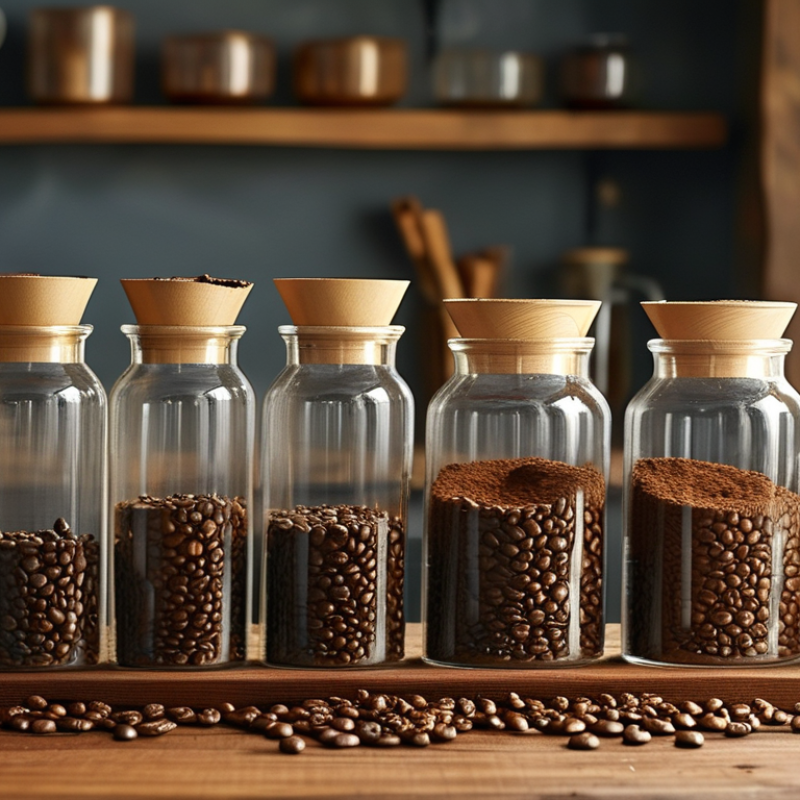
Understanding Coffee Freshness and Flavor Preservation
Coffee freshness depends on several factors. Exposure to air and moisture can rapidly degrade your beans. A study published by the Specialty Coffee Association found that coffee loses flavor significantly after just two weeks of being opened. This emphasizes the importance of proper storage.
Using airtight containers is key to preserving flavor. For instance, vacuum-sealed bags can reduce oxidation. Dark, opaque containers further protect against light, which can cause unwanted flavor changes. Temperature also matters; a cool, consistent environment is ideal. Research indicates that storing coffee at temperatures above 70°F can lead to faster staleness.
Despite your best efforts, some mistakes can occur. Forgetting to reseal a bag can expose beans to air. Even slight moisture can affect taste. It’s essential to regularly assess your storage methods to identify what doesn't work. Improper storage could mean losing out on the complex flavors in every cup.
Factors Affecting Coffee Freshness Over Time
Coffee freshness significantly declines over time due to various factors. Oxygen exposure is one of the main culprits that deteriorate coffee quality. When coffee beans are exposed to air, oxidation begins. This can lead to stale flavors and loss of vibrant aromas. Proper storage solutions can help mitigate this effect.
Humidity is another critical factor. Coffee beans absorb moisture from the air, making them prone to spoilage. Storing coffee in airtight containers can help prevent humidity-related issues. Consider using a dark-colored container to block light. Light can also degrade coffee oils, resulting in a dull taste.
Temperature fluctuations can impact flavor too. Keeping coffee in a consistent temperature zone will preserve its character. Avoid storing coffee near heat sources like stoves or ovens. This negligence can alter the beans' optimal flavor profile. Proper storage is essential to enjoy your brews fully.
Do remember that even with the best storage solutions, coffee has a limited shelf life. Regularly check your supply and avoid keeping old beans. A thoughtful approach to coffee storage maintains the delightful experience of that morning brew.
Top Materials for Coffee Storage Containers
When it comes to coffee storage, the material of the container plays a crucial role in maintaining freshness and flavor. Various studies suggest that the right materials can significantly impact the aroma and taste of coffee. For example, glass is a popular choice because it is inert and does not react with coffee oils, keeping the flavor intact. According to the Specialty Coffee Association, glass containers do not absorb odors or moisture, which can lead to stale coffee.
Another excellent option is stainless steel. It offers superior durability and excellent insulation, keeping your beans away from light, which can cause degradation. Research indicates that stainless steel containers can reduce exposure to oxygen, a key factor that leads to the deterioration of coffee. However, some users report that stainless steel may impart a slight metallic taste if not properly coated.
Ceramic is also highly regarded for coffee storage. It offers a non-reactive surface and often comes with decorative designs. However, ceramics can be porous, which may lead to moisture retention. Some coffee enthusiasts note that it requires careful maintenance to ensure it remains airtight. The choice of storage materials reflects the ongoing challenge of balancing aesthetics with functionality. With several options available, personal preferences often dictate the best solution for maintaining coffee’s richness.
Best Practices for Storing Coffee at Home
Storing coffee properly is essential for maintaining its freshness and flavor. According to the Specialty Coffee Association, coffee begins to lose its peak flavor shortly after roasting, typically within two weeks. This rapid decline emphasizes the need for effective storage solutions at home.
One effective method involves using airtight containers. These containers minimize exposure to oxygen, which can cause coffee to go stale. Glass jars with rubber seals or vacuum-sealed bags are excellent choices. Ensure that the containers are kept in a cool, dark place, as heat and light can further diminish flavor. A study published in the Journal of Agricultural and Food Chemistry found that coffee stored in bright light can lose up to 25% of its aroma compounds.
Another common recommendation is to avoid the refrigerator for coffee storage. While many believe that cold temperatures help retain freshness, the humidity from the fridge can adversely affect the coffee. Instead, a dry pantry is preferable. Some enthusiasts also suggest keeping coffee beans whole until you are ready to brew. Grinding increases surface area, accelerating the staling process. Evaluating personal habits can help in adapting these practices to ensure the best cup of coffee each time.
Innovative Coffee Storage Solutions to Consider
Innovative coffee storage solutions can greatly enhance freshness and flavor. If you’re brewing beans at home, choosing the right storage is essential. A vacuum-sealed container can minimize exposure to air. This reduces oxidation and helps maintain flavor integrity.
Glass jars are appealing, but they may not offer the best protection. Light can degrade coffee beans over time. Consider using opaque containers instead. Airtight bags are also a great option; just remember to squeeze out air before sealing.
Maintaining the right temperature is crucial. Avoid storing coffee near the stove or in high humidity areas. A cool, dark place is ideal for preserving your beans. Regularly check your coffee for freshness. Stale beans will ruin your perfect cup. Experiment with different storage methods to find what works best for you. You might be surprised by how much difference it makes.
FAQS
: Coffee freshness is affected by air, moisture, and light exposure.
Coffee significantly loses flavor after just two weeks of being opened.
Airtight containers are key to preserving coffee flavor and preventing oxidation.
Yes, storing coffee at temperatures above 70°F can lead to faster staleness.
Yes, forgetting to reseal bags or exposing coffee to moisture can degrade taste.
Glass, stainless steel, and ceramic are popular choices for preserving coffee freshness.
Glass is inert and does not absorb odors or moisture, keeping coffee flavorful.
They are durable but can impart a metallic taste if not well-coated.
Ceramics can be porous and may retain moisture; they require careful maintenance.
Regularly checking your storage can help identify any ineffective practices that affect flavor.
Conclusion
When it comes to preserving the freshness and flavor of coffee, understanding the factors that affect its longevity is crucial. Various elements such as air, moisture, light, and temperature can significantly impact the quality of coffee over time. To combat these factors, selecting the right materials for coffee storage containers is essential. Options like airtight canisters, ceramic jars, and vacuum-sealed bags can offer optimal protection against deterioration.
Implementing best practices for storing coffee at home can further enhance its flavor. This includes keeping coffee in a cool, dark place and avoiding the refrigerator, which can introduce moisture. Additionally, innovative coffee storage solutions, such as specialized coffee vaults or climate-controlled containers, are excellent considerations for serious coffee enthusiasts. By utilizing effective coffee storage solutions, one can ensure that each cup of coffee retains its rich flavor and aroma, providing a delightful experience with every sip.
 Imler
Imler
