Imler Imler

How to Choose the Best Coffee Thermos for Your Needs?

Time:2026-10-05 Author:Madeline
0%

Choosing the best Coffee Thermos is less about appearance and more about your daily routine. The National Coffee Association’s Spring 2024 National Coffee Data Trends report found that 67% of American adults drank coffee during the previous day. That habit creates a practical question: can your thermos protect flavor, heat, and convenience during real travel?

Market research supports this shift toward reusable drinkware. Grand View Research valued the global reusable water bottle market at approximately $9.67 billion in 2023. Its report also projects continued growth through 2030. Although this category is broader than coffee containers, it signals stronger demand for durable, reusable products. A reliable Coffee Thermos should therefore offer more than double-wall insulation. Check heat retention, lid security, interior material, cleaning access, capacity, and drinking comfort. A 12-ounce model may suit a short commute. A 20-ounce model may better serve a long shift, but it can feel bulky in a small bag.

Coffee author and educator James Hoffmann has said, “There is no single right way to make coffee.” That idea applies here. Your best choice depends on brewing style, commute length, hand size, and cleaning habits. Look for independently tested temperature claims when possible. Some brands publish impressive numbers without explaining testing conditions. That deserves caution. A thermos that keeps coffee hot for twelve hours may also preserve bitterness if the coffee was over-extracted. I have found that a comfortable lid often matters more than an extra hour of insulation. The perfect model may not exist. The right one simply fits your mornings, including the messy ones.
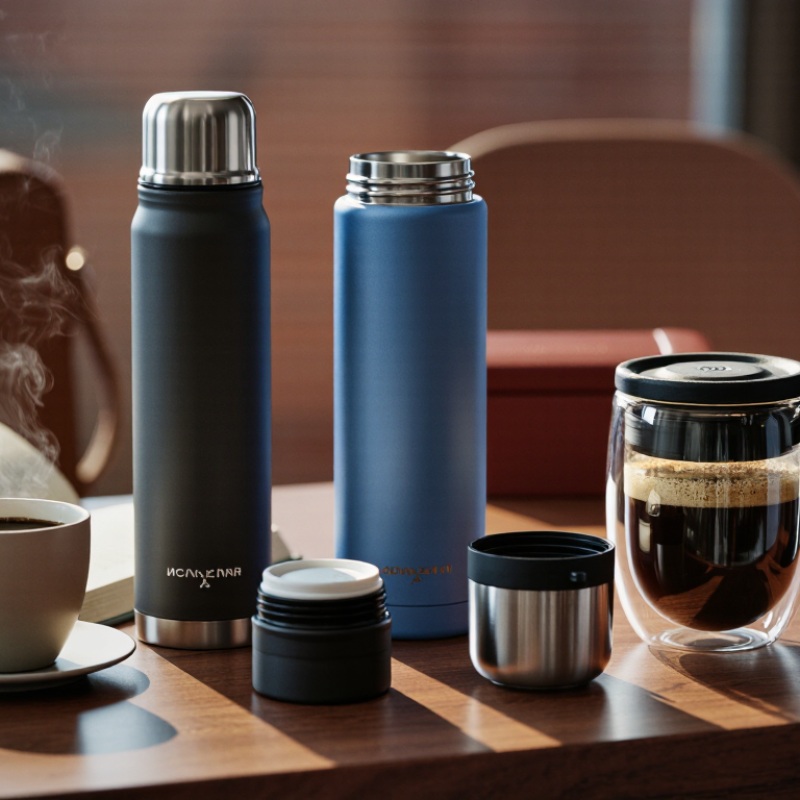
How to Choose the Best Coffee Thermos for Your Needs?

Define Your Coffee Thermos Needs and Daily Brewing Habits

How to Choose the Best Coffee Thermos for Your Needs?

Your coffee thermos should match your daily brewing habits, not only its advertised capacity. The National Coffee Association’s Spring 2024 report found that 67% of American adults drank coffee the previous day. That habit may mean one small morning serving or several hours of sipping. Track your routine for three days. Note your coffee volume, commute time, and preferred drinking temperature. A 350-milliliter thermos suits a short commute. A 750-milliliter model fits longer workdays, but it may feel heavy.

Consider how you prepare coffee. Freshly brewed coffee can reach about 90–96°C, the temperature range recommended by the Specialty Coffee Association for brewing water. A narrow opening usually retains heat better. A wide mouth makes cleaning and adding ice easier. For milk-based drinks, choose a thermos with simple parts and a reliable seal. Coffee oils collect quickly. I once ignored this detail, and the next cup tasted stale. That small mistake changed my buying checklist.

Tips: Preheat the thermos with hot water for five minutes. Then empty it before adding coffee. Test the lid over a sink. Check whether it opens with one hand. Avoid choosing the largest size automatically. Extra space can encourage waste and make the thermos inconvenient. Review the seal after several weeks, because heat retention often declines before visible damage appears.

Compare Thermos Materials, Insulation Types, and Heat Retention

Choosing the right coffee thermos starts with its material.
Stainless steel is durable, resists odors, and handles daily commuting well. It may add weight, but that extra strength matters when the bottle falls from a desk. Glass keeps coffee tasting clean, although it can break during travel. Plastic is lighter and often cheaper, yet it may absorb smells over time. I have found that material affects comfort as much as durability.

Insulation type determines how long your coffee stays hot.
A vacuum-insulated, double-wall design usually performs best because it limits heat transfer through air. Foam insulation can work, but it often loses heat faster during long hours. Single-wall containers are suitable for short trips, not full workdays. Test it yourself. Fill the thermos with hot coffee, close the lid, and check the temperature after four and eight hours.

Heat retention depends on more than the advertised rating.
A wide opening releases heat quickly, while a tight lid can preserve warmth and prevent leaks. Preheating the thermos with hot water may improve results. My own mistake was ignoring the lid design; the bottle felt excellent, but the coffee cooled around the mouthpiece. Ratings also depend on room temperature, liquid volume, and how often the lid opens. A thermos that keeps coffee hot for twelve hours in a laboratory may perform differently beside a cold train window. Temperature testing with a kitchen thermometer gives more dependable evidence.

Choose the Right Capacity, Shape, Lid, and Drinking Design

Choosing the best coffee thermos starts with capacity, shape, lid, and drinking design. For a short commute, 350 to 500 milliliters usually feels manageable. Longer travel may justify 600 to 750 milliliters. A larger bottle holds more coffee, but it also adds weight. I once chose a tall, oversized thermos and rarely filled it. That choice seemed practical, yet it crowded my bag.

Shape affects daily handling. A narrow body fits most car holders and side pockets. A wider base feels steadier on a desk. Check the bottle’s height before buying. Some thermoses look compact online but stand awkwardly under a coffee machine. Measure your storage space. Small details matter.

The lid deserves careful attention. A screw lid usually offers strong leak resistance, while a push-button lid allows faster drinking. Look for a secure seal, simple threads, and parts that can be cleaned without special tools. A complicated lid can trap old coffee oils. Not pleasant.

The drinking design should match your routine. A wide opening suits slow sipping and easy cleaning. A narrow mouth helps reduce spills during walking, but it can feel restrictive. I prefer a controlled flow, though I still occasionally drink too quickly and burn my tongue. Test the lid with water before carrying coffee, especially after washing or replacing the seal.

Evaluate Cleaning Ease, Durability, Safety, and Portability

How to Choose the Best Coffee Thermos for Your Needs?

Cleaning ease affects every morning, not just the first use. Choose a thermos with a wide mouth, removable seal, and few hidden grooves. A narrow opening may preserve heat well, but it often traps milk residue and coffee oils. I prefer parts that can air-dry separately after washing. A faint smell is a warning, not a minor inconvenience. Check the manufacturer’s cleaning instructions, especially if the lid contains springs or valves.

Durability depends on more than a metal exterior. Inspect the lid threads, hinge, base, and sealing ring. These parts usually fail before the container wall. A sturdy thermos should resist dents from ordinary desk or car use. However, “unbreakable” claims deserve skepticism. I once trusted a strong-looking lid that loosened after repeated washing. It was frustrating. Look for clear material information, replacement seals, and a warranty with understandable terms. Food-contact surfaces should be made from tested, suitable materials and remain free from unusual odors.

Safety and portability require practical judgment. A secure lock can prevent scalding spills, but test it before placing the thermos inside a bag. Heat-resistant insulation may leave the outside cool while the coffee remains dangerously hot. Leave room for pressure and avoid shaking freshly filled drinks. For commuting, consider weight, grip, cup-holder fit, and one-handed opening. A large capacity sounds useful, yet it can become awkward and heavy. My own preference changed after carrying one through a crowded train station. The smaller thermos was less impressive, but far easier to control.

Match Key Features With Your Budget and Intended Use

Choosing the best coffee thermos starts with your daily routine, not the most impressive feature list. For commuting, a compact model with a leak-resistant lid may be enough. For long drives or outdoor work, prioritize strong insulation and a larger capacity. A wide opening helps with cleaning, but it may release heat faster. That small trade-off matters.

Your budget should match how often you use the thermos. A low-cost option can work well for occasional coffee, especially if the seal is reliable. Frequent users may benefit from durable stainless steel, replaceable seals, and a lid that opens with one hand. I once chose a very large thermos for convenience, but it stayed half-empty and became awkward to carry. My mistake was buying for an imagined routine.

Tips: Fill the thermos with hot water for five minutes before adding coffee. Check whether the lid leaks when tilted. Test the weight with one hand. Read independent user feedback carefully, especially comments about heat retention after several months. Choose a size you can comfortably wash. Fancy features are not always useful. A simple design may serve you better. Avoid assuming a higher price guarantees better performance; materials, construction, and actual use matter more.

How to Choose the Best Coffee Thermos for Your Needs? – Match Key Features With Your Budget and Intended Use

Use Case Typical Budget Recommended Capacity Recommended Insulation Useful Features Expected Heat Retention Important Selection Criteria
Short Commute $15–$30 350–500 ml Double-wall stainless steel One-hand opening, cup-holder compatibility, leak-resistant seal Approximately 4–6 hours Compact size, easy cleaning, secure lid, comfortable grip
Office Workday $25–$50 500–750 ml Vacuum-insulated stainless steel Wide mouth, removable gasket, lockable drinking mechanism Approximately 6–10 hours Balanced capacity, odor resistance, dishwasher-safe components
Long Commute or Travel $35–$70 600–1,000 ml High-performance vacuum insulation Locking lid, carry handle, pressure-release design, durable exterior Approximately 8–12 hours Leak prevention, impact resistance, manageable weight, easy packing
Outdoor Activities $30–$65 500–900 ml Double-wall vacuum insulation Non-slip coating, rugged finish, wide opening, tethered cap Approximately 8–12 hours Durability, grip, resistance to dents, reliable performance in changing temperatures
Sharing or All-Day Use $40–$80 1,000–1,500 ml Thick-wall vacuum insulation Pour-through stopper, insulated serving lid, stable base Approximately 10–18 hours Capacity, pouring control, heat retention, carrying convenience
Quick Buying Checklist: Choose food-grade stainless steel for durability, verify the stated capacity, inspect the lid and gasket for leak protection, confirm that the opening is easy to clean, and prioritize vacuum insulation when temperature retention matters most.

FAQS

How do I choose the right coffee thermos capacity?

Track your coffee use for three days. A 350–500 milliliter thermos suits short commutes. A 600–750 milliliter model fits longer workdays. Larger bottles add weight and may remain half-empty. That happened to me.

Does the thermos shape matter for daily use?

Yes. A narrow body fits many car holders and side pockets. A wider base feels steadier on a desk. Measure your storage space before buying. Some tall bottles stand awkwardly beneath coffee machines. Small details matter.

Which lid design works best?

A screw lid usually provides strong leak resistance. A push-button lid allows faster drinking. Choose secure threads and simple, washable parts. Test the lid over a sink before carrying coffee. Water reveals problems.

Should I choose a narrow or wide opening?

A narrow opening can reduce spills while walking. It often retains heat better. A wide opening makes cleaning and adding ice easier. However, it may release heat faster. That trade-off matters.

How can I improve heat retention?

Preheat the thermos with hot water for five minutes. Empty it before adding freshly brewed coffee. Brewing water commonly reaches about 90–96°C. A tight seal also supports heat retention. Check the seal after several weeks.

What features help with milk-based coffee?

Choose simple parts and a dependable seal. Milk and coffee oils can collect inside complicated lids. Wash every accessible surface carefully. Otherwise, the next drink may taste stale. I learned this late.

How should I match a thermos to my budget?

Occasional users may need only a reliable, affordable design. Frequent users may value durable steel and replaceable seals. A higher price does not guarantee better performance. Construction and daily comfort matter more. Fancy features can disappoint.

What should I test before buying?

Check the filled weight with one hand. Measure the bottle’s height and storage area. Test the lid for leaks when tilted. Confirm that you can wash the interior comfortably. I once ignored weight and regretted it.

Conclusion

Choosing the best Coffee Thermos starts with understanding your daily routine, brewing habits, and preferred serving size. Consider whether you need a compact option for short commutes, a larger model for extended outings, or a versatile design for home and office use. Compare materials such as stainless steel, glass, or durable plastic, and examine insulation types to determine how effectively each model preserves heat. Capacity, shape, lid style, and drinking design should also match your comfort, portability, and spill-prevention needs.

A practical Coffee Thermos should be easy to clean, resistant to odors and stains, durable enough for regular use, and made with safe, reliable materials. Features such as a wide opening, secure seal, comfortable grip, and lightweight construction can make everyday use more convenient. Finally, balance these features with your budget and intended purpose. By prioritizing the qualities that matter most to your lifestyle, you can select a thermos that keeps coffee enjoyable, convenient, and suitably warm throughout the day.

Madeline

Madeline

Madeline is a dedicated marketing professional with a wealth of expertise in our company's core offerings. With a keen understanding of the industry, she brings a unique perspective to her role, consistently delivering high-quality content that highlights the superior aspects of our products. As......