Imler Imler

How to Choose the Best Commercial Coffee Equipment for Your Business?

Time:2026-07-22 Author:Sophia
0%

Choosing the best commercial coffee equipment is crucial for any coffee business. The right tools can elevate your offerings, create consistent flavors, and improve customer satisfaction. However, with so many options available, the selection process may feel overwhelming. This equipment is not just machinery; it significantly impacts your brand's image and profitability.

When scouting for commercial coffee equipment, consider your specific needs. The type of coffee you serve plays a significant role in this decision. For example, espresso machines vary greatly, and each has unique features that cater to different styles. Understanding these nuances can enhance your menu and attract diverse customers.

While seeking the finest equipment, remember that affordability does not equal quality. Sometimes, the top-tier machines come with a hefty price tag. Balancing cost and necessity is vital. Investing in well-reviewed brands often pays off, but it’s also important to remain sensible about your budget. Reflect on your coffee business's long-term goals and be prepared to adapt as your needs evolve.
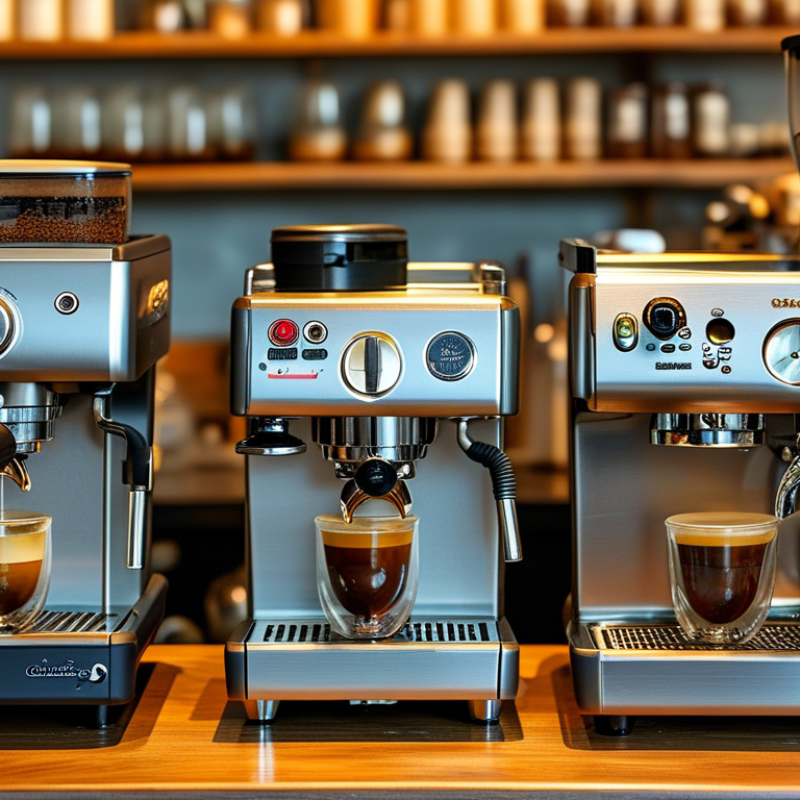
How to Choose the Best Commercial Coffee Equipment for Your Business?

Understanding Your Business's Coffee Needs

Choosing the right coffee equipment requires a deep understanding of your business's specific needs. Consider your customer base and their preferences. Are you serving high-end coffee aficionados or casual drinkers? Knowing this can guide you in selecting equipment that meets their tastes.

Tips: Assess the volume of coffee you expect to serve daily. This will indicate whether you need a high-capacity espresso machine or a simpler setup. A busy café may benefit from dual-espresso systems, while a small office could thrive with a single-serve brewer.

Evaluate your space as well. Some machines require more counter space, while others are compact. Consider not just the equipment itself, but also how it fits within your kitchen workflow. Equipment that is hard to access or too large can impede efficiency.

Tips: Research and test equipment if possible. Consulting with baristas or industry professionals can provide valuable insights. Another option is to rent equipment first before making a purchase. This way, you can better assess what fits your environment and staff. Don't underestimate the importance of training staff on new machines; this will enhance your coffee quality.

Evaluating Different Types of Commercial Coffee Equipment

Selecting the right commercial coffee equipment is crucial for your business's success. There are several types of coffee machines to consider. Espresso machines, for example, are popular in cafes and require skilled operators. A traditional espresso machine can produce rich flavors, but it demands more maintenance and training.

Drip coffee makers are another option. They are user-friendly and ideal for high-volume settings. These machines can brew large quantities quickly, ensuring efficiency during peak hours. However, the taste may not match the depth of espresso. Consider your customer base when making this choice.

Grinders are equally important. Freshly ground coffee enhances flavor. Invest in a quality grinder to complement your brewing equipment. However, not all grinders are created equal. Some can be inconsistent, leading to variable flavor profiles. Evaluate your options carefully, as this decision can impact your coffee quality.

Assessing Quality and Durability of Coffee Machines

When selecting coffee machines for a commercial setting, assessing quality and durability is crucial. Look for machines made from high-quality materials. Stainless steel is often more durable than plastic. Consider the components; they should withstand daily use without regular breakdowns. Evaluate the internal mechanisms too. A well-designed machine minimizes wear and tear.

Durability also means ease of maintenance. Machines that are difficult to clean or have complex parts can lead to long downtimes. Choose models with accessible components. Regular upkeep is easier with a machine designed for it. Read reviews that emphasize long-term performance. That feedback can offer valuable insights into real-world durability.

Remember, high-quality machines often come with a higher initial price. This can be a challenge for budgeting. Weight this cost against potential savings from reduced repair bills. A balance of quality and cost is essential. Investing in solid coffee machines can lead to enhanced service and satisfied customers. Consider how well the machinery can adapt over time.

Analyzing Budget and Cost-Effectiveness

When selecting commercial coffee equipment, understanding your budget is essential. Equipment costs can quickly add up. Prioritize key pieces that will influence your business’s efficiency and customer satisfaction. For instance, an espresso machine is critical, but consider including grinders and brewers if your menu demands them.

Tips: Explore pre-owned equipment options. They may come with minor imperfections but can save costs significantly. Always assess the condition before purchasing. Remember, quality equipment will improve consistency, impacting customer loyalty and sales.

Remember to factor in maintenance costs. Reliable equipment may have a higher upfront cost, but it saves money in the long run. Investing in a machine with a good warranty or service plan can reduce future expenses. Balance the initial investment with long-term benefits. A cheap option might lead to frequent breakdowns, affecting service quality.

Finally, consider energy efficiency. Equipment that meets energy standards can lower utility bills. Choosing efficient models isn’t just a cost-effective choice; it’s also good for the environment. Look for reviews and expert opinions before making decisions. They might highlight overlooked aspects that could impact your choice.

How to Choose the Best Commercial Coffee Equipment for Your Business?

Equipment Type Initial Cost Operating Cost (Monthly) Maintenance Cost (Monthly) Expected Lifespan (Years) Cost-Effectiveness Score
Espresso Machine $7,000 $300 $50 10 8.5
Brewer $3,000 $150 $30 8 9.2
Grinder $1,500 $100 $20 5 8.0
Coffee Brewer $2,000 $120 $25 7 8.7
Coffee Machine $5,000 $200 $40 6 9.0

Researching Supplier Reputation and Customer Support Options

When selecting commercial coffee equipment, understanding the supplier's reputation is crucial. Customer reviews often reveal insights about a supplier's reliability. According to industry reports, 80% of businesses rely on reviews before purchasing equipment. A supplier’s long-standing presence in the industry generally indicates they have weathered challenges over time, which adds to their credibility.

Moreover, customer support options are equally important. A study by the Specialty Coffee Association highlights that 65% of operators prioritize after-sales support when making equipment choices. Suppliers offering robust training and maintenance support foster a better relationship with clients. This aspect often leads to improved equipment longevity and operational efficiency, which can significantly impact a business's bottom line.

It’s also wise to look out for suppliers that are transparent about their limitations. Many companies may claim extensive support but may fall short during high-demand periods. It’s crucial to verify that the supplier can deliver on their promises, especially when your business depends on consistent product quality. Be cautious and take time to research thoroughly.

Supplier Reputation and Customer Support Analysis

FAQS

: What materials should I look for in a coffee machine?

: High-quality materials are essential. Stainless steel is more durable than plastic.

Why is machine maintenance important?

Easy maintenance reduces downtime. Choose machines designed for simple cleaning.

How does cost relate to quality in coffee machines?

High-quality machines may cost more upfront. Balance this with potential savings from repairs.

Are pre-owned coffee machines a good option?

Yes, they can save costs. Check their condition before purchasing.

What should I consider regarding energy efficiency?

Energy-efficient models lower utility bills. They are cost-effective and environmentally friendly.

How can supplier reputation affect my equipment choice?

Reliable suppliers lead to better performance. Customer reviews provide essential insights.

Why is after-sales support important?

Strong support enhances equipment longevity. It helps maintain operational efficiency.

What should I watch for with suppliers?

Verify their claims on support. Sometimes, they fail to deliver in high-demand situations.

What impact does equipment consistency have?

Consistent equipment improves customer loyalty. It’s key to enhancing sales.

How vital is it to check reviews before buying?

Reviews offer valuable insights. They highlight aspects you might overlook.

Conclusion

When selecting the best Commercial Coffee Equipment for your business, it's crucial to first understand your specific coffee needs. This involves evaluating the types of coffee you plan to offer and determining the equipment that will best suit those needs. Different commercial coffee machines come with varying features and capabilities, so understanding the options is essential.

Additionally, assessing the quality and durability of these machines is vital. Investing in reliable equipment not only ensures consistent coffee quality but also longevity, which can save costs in the long run. Analyzing your budget and exploring cost-effective solutions should be a priority, as well as researching suppliers for their reputation and customer support. Together, these factors will guide you to make an informed decision that aligns with your business goals and enhances customer satisfaction.

Sophia

Sophia

Sophia is a dedicated marketing professional with an exceptional depth of knowledge about her company's products and services. With a keen understanding of market trends and customer needs, she crafts insightful blog posts that not only inform but also engage readers, enriching the company’s online......