Imler
Choosing a Cold Brew Coffee Maker in 2026 is not simply a matter of selecting the largest pitcher. Your counter space, drinking habits, filtration needs, and cleaning routine all influence the better choice.
Market evidence shows why this category deserves careful attention. Grand View Research estimates that the global cold brew coffee market reached approximately USD 439.4 million in 2023, with strong growth projected through 2030. The National Coffee Association’s Spring 2024 National Coffee Data Trends report also found that 67% of American adults drank coffee during the previous day. These figures do not prove that every household needs specialized equipment. They do show continuing interest in convenient coffee formats.
A practical comparison should examine brewing capacity, filter design, material safety, sealing quality, and refrigerator fit. A narrow glass brewer may suit a small shelf, while a larger model can serve several people but becomes heavier when filled. Fine stainless-steel filters often reduce paper waste. They may still allow sediment into the concentrate. That detail matters.
Cleaning is easy to underestimate.
Professional coffee guidance generally favors consistent ratios, controlled steeping, and repeatable measurements. However, cold brew recipes vary widely across manufacturers and cafés. A longer steep does not automatically create better flavor. It can produce a woody, harsh cup.
This guide will compare common brewer styles using practical tests, published market evidence, and food-contact considerations. Reported market numbers also differ by research method. That uncertainty deserves honesty. The best Cold Brew Coffee Maker is not always the most expensive one; it is the model that produces clean, repeatable coffee without becoming a neglected jar in your refrigerator.
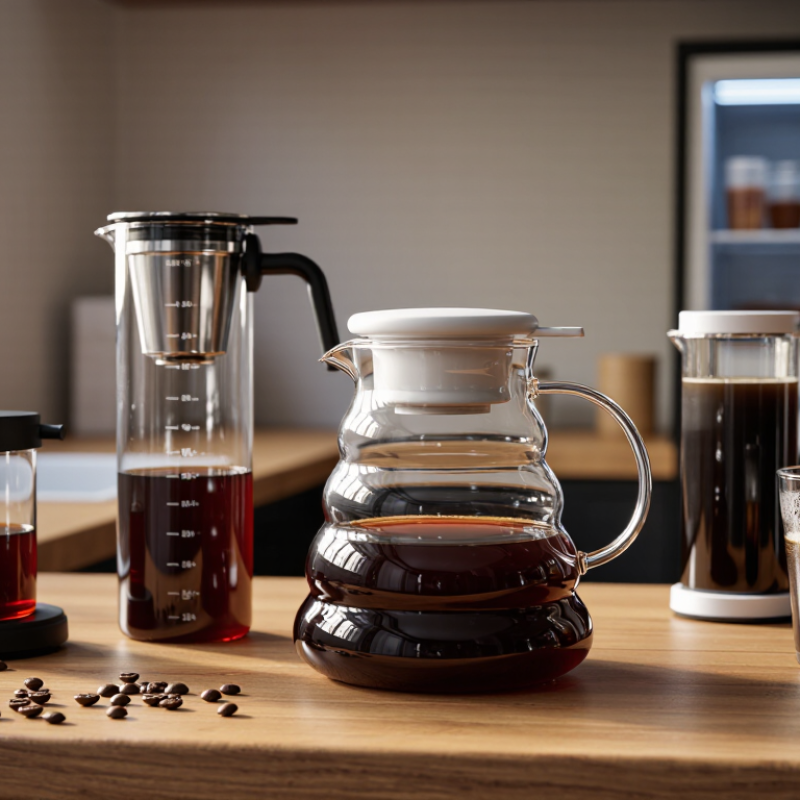
Before choosing a cold brew coffee maker, define how you actually drink coffee. I usually make one small serving each morning, but weekend guests require a larger batch. A 500–700 milliliter brewer suits personal use, while frequent sharing needs more capacity. Measure your refrigerator shelf first. It is an easy detail to overlook.
Your preferred flavor matters more than appearance. Coarse-ground coffee, cool water, and a 12–18-hour steep often produce a smoother cup. I once used a finer grind and created a bitter, muddy concentrate. That mistake taught me to prioritize a reliable filter and easy stirring. If you prefer bold coffee, choose a brewer that supports concentrate-style recipes. For a lighter drink, look for simple dilution control.
Think about your routine, not only the advertised capacity. A removable filter makes cleanup faster, especially when wet grounds cling to the mesh. Glass can show sediment clearly, while durable food-safe plastic may suit busy kitchens. Check whether the lid seals firmly and whether every part can be washed thoroughly. Cold brewing takes time. Your maker should fit that habit. Personally, I prefer a compact design with clear volume markings, although I still sometimes prepare more coffee than I can finish. That waste is worth noticing before buying a larger model.
Define your cold brew needs and brewing preferences by comparing the typical brewing time of three common cold brew styles.
Immersion brewing usually takes 12–24 hours and is suitable for users who prefer a simple, batch-oriented process. Concentrate brewing commonly takes 16–24 hours and produces a stronger base that can be diluted with water or milk. Slow-drip brewing is generally faster, often taking about 3–8 hours, but it requires more attention and a brewer designed for controlled dripping.
How to Choose a Cold Brew Coffee Maker in 2026?
Cold brew makers use different brewing methods, and the method changes the cup. Immersion models steep coarse coffee in water for 12 to 24 hours. They are affordable, forgiving, and easy to clean. A typical ratio is 1:8 for concentrate, then dilute with water or milk. Filter-bag jars suit beginners. However, fine sediment can remain in the drink.
Slow-drip towers release water gradually over several hours. They usually create a brighter, lighter cup with clearer flavor separation. The process looks impressive, but adjusting drip speed takes patience. Some home brewers waste coffee while learning. That is worth considering. Electric brewers shorten the process, sometimes to under two hours, but their heat control and noise can affect the experience.
Market interest supports this choice carefully. Grand View Research estimated the global cold brew coffee market at about 439 million U.S. dollars in 2023, with strong projected growth through 2030. The National Coffee Association’s Spring 2024 report found that 67% of American adults drank coffee during the previous day. These figures show demand, not guaranteed quality. Choose a maker with a washable filter, stable measurements, and a sealed container. For a smooth everyday drink, immersion is practical. For cleaner flavors, slow dripping may reward careful experimentation. I still prefer testing small batches, because published ratios cannot predict every coffee’s behavior.
| Maker Type | Brewing Method | Typical Brew Time | Recommended Coffee-to-Water Ratio | Coffee Grind | Typical Yield | Filtration | Flavor and Strength | Cleanup | Best For |
|---|---|---|---|---|---|---|---|---|---|
| Immersion Pitcher | Coarse-ground coffee steeps fully submerged in cool or room-temperature water, usually in a removable filter. | 12–24 hours | 1:8 to 1:10 for ready-to-drink coffee; 1:4 to 1:6 for concentrate | Coarse, similar to coarse sea salt | About 0.75–1.5 L, depending on vessel size | Mesh basket or reusable filter | Full-bodied, smooth, and generally low in perceived acidity; strength is easy to adjust with water. | Easy; remove the filter and rinse the vessel and grounds. | Most households and first-time cold brew users |
| Mason Jar or Simple Steeping Jar | Coffee and water steep together in a jar, then the mixture is strained through a separate filter. | 12–24 hours | 1:8 to 1:10 for ready-to-drink coffee; stronger ratios produce concentrate | Coarse | About 0.5–1 L per batch | Paper filter, fine-mesh strainer, or cloth filter | Rich and versatile, but clarity depends heavily on the quality of the final filtration. | Moderate; separate straining creates extra equipment and cleanup. | Low-cost brewing and people who already own jars |
| French Press | Immersion brewing with a built-in plunger used to separate the grounds from the liquid. | 12–18 hours | 1:8 to 1:10 for ready-to-drink coffee | Coarse | About 0.35–1 L per batch | Metal mesh plunger; an additional paper filter improves clarity | Heavy-bodied with more oils and fine sediment than paper-filtered methods. | Moderate; grounds should be emptied before rinsing to avoid blocking drains. | Small batches and drinkers who prefer a fuller mouthfeel |
| Slow-Drip Cold Brew Tower | Cold water slowly drips through coffee grounds and collects in a lower chamber. | 3–12 hours | Approximately 1:8 to 1:10, adjusted for the brewer design | Medium-coarse, adjusted to control flow rate | About 0.5–1.5 L per batch | Paper, cloth, or fine reusable filter | Clean, bright, and lighter-bodied; extraction can be more delicate than immersion brewing. | Moderate to difficult; the drip valve and filter need careful cleaning. | Users who value a visually distinctive setup and a cleaner cup |
| Concentrate Brewer | A higher coffee dose is steeped in less water, creating a concentrate that is diluted before serving. | 12–24 hours | 1:4 to 1:6 for concentrate; dilute approximately 1:1 with water or milk to serve | Coarse | About 0.5–1 L of concentrate per batch | Removable mesh or paper-lined filter | Strong and rich, with flexible serving strength and efficient refrigerator storage. | Easy to moderate, depending on the filter design. | Meal preparation, iced coffee drinks, and milk-based beverages |
| Single-Serve Cold Brew Brewer | A small amount of coffee is steeped for one or two servings, often with a compact filter. | 8–16 hours | 1:8 to 1:10 for ready-to-drink coffee | Coarse | About 250–600 mL per batch | Fine mesh or paper filter | Balanced and convenient; smaller batches may show more variation if the grounds are unevenly distributed. | Easy; fewer grounds and a smaller vessel to wash. | Individuals, small kitchens, and occasional cold brew drinkers |
Note: Brewing time and ratios are practical starting points rather than fixed rules. Actual results vary with coffee origin, roast level, grind uniformity, water temperature, filtration, and personal taste. Keep finished cold brew refrigerated and use clean equipment.
Choosing a cold brew coffee maker in 2026 starts with capacity, not appearance. A compact 1-liter brewer suits one or two daily drinkers. Larger households may need 1.5 to 2 liters, but extra coffee can lose freshness quickly. Measure your refrigerator shelf before buying. I once ignored this detail, and the full pitcher would not fit upright.
Material affects durability, taste, and handling. Glass shows the coffee level clearly and does not retain odors, but it can crack in a crowded refrigerator. Stainless steel is tougher and blocks light, although you cannot see the brewing progress. Food-grade plastic is lightweight and practical, yet poor-quality plastic may absorb smells. Look for clear material information and sturdy joints.
The filter deserves close attention. A fine stainless-steel mesh usually produces a clean cup and creates less waste than disposable paper. However, very fine grounds may still pass through. Paper filters can reduce sediment, but they add recurring costs and require careful fitting. Check whether the filter reaches near the bottom, where grounds often collect. Cleaning should take minutes, not patience. Wide openings, removable filters, and smooth interiors make rinsing easier. Avoid narrow necks and complicated seals. Disassemble every removable part after brewing, then let it dry fully. My own routine is not perfect; tiny coffee oils still gather around the lid. That small flaw reminds me to inspect hidden edges before the next batch.
Choosing a cold brew coffee maker in 2026 starts with features you will actually use. Look for a leak-resistant lid, a fine filter, clear volume markings, and an easy-grip handle. A wide opening makes grounds easier to add and remove. Small detail, big difference. Check whether the filter reaches near the bottom. Otherwise, grounds can sit above the water and extract unevenly. Adjustable steeping time is useful, but complicated controls may create more frustration than flavor.
Durability matters because cold brew equipment stays wet for hours. Thick glass resists odors, but it can break against a hard sink. Food-grade plastic is lighter and safer for crowded refrigerators, though it may scratch sooner. Inspect the lid seal and filter frame before buying. These parts receive the most handling. Dishwasher compatibility sounds convenient, yet repeated high heat may shorten seal life. Hand washing takes longer. I still do it for delicate parts, although that choice is not always practical.
Measure your refrigerator shelf, not just the countertop. A tall maker may fit upright but fail under a low door shelf. Allow extra room for the lid and handle. Check capacity against your routine. A one-liter container suits frequent drinkers, while smaller households may waste less with half that volume. Compatibility also includes your grinder and storage jars. Fine grounds can clog narrow filters. If you use coarse grounds, confirm the basket holds enough coffee without forcing the lid. No device stays perfect when dropped, overfilled, or ignored.
A low purchase price can hide expensive habits. Examine the filter, seals, carafe, and replacement parts before comparing features. A sturdy filter reduces sediment and keeps grounds from entering your drink. Glass can preserve flavor, but it may break during daily handling. Durable plastic weighs less and often suits busy kitchens. That trade-off deserves attention.
Maintenance affects value more than many buyers expect. Choose a brewer with parts that separate easily and fit under your tap. Narrow openings can trap coffee oils, even when the design looks attractive. Rinse the filter immediately after use. Let every component dry fully before storage. Small parts matter. If replacement filters are difficult to find, the original savings may disappear within a year.
Capacity should match your routine, not your ambition. A large brewer wastes coffee if you drink one glass each morning. A smaller model may require more batches for shared households. Check steeping time, refrigerator space, and serving strength. I once underestimated cleanup time because the instructions sounded simple. That was a useful correction. Read care instructions carefully, and estimate the cost of filters, seals, electricity, and wasted concentrate over twelve months. A modest brewer with accessible parts may deliver better long-term value than a feature-heavy model.
Immersion brewing is forgiving and simple. Steep coarse coffee in water for 12 to 24 hours. A 1:8 ratio creates a concentrate. Dilute it with water or milk. Filter-bag jars can help beginners, though fine sediment may remain.
Slow-drip makers release water gradually over several hours. They often produce brighter flavors and clearer separation. Adjusting the drip speed takes patience. Some coffee may be wasted during practice. That learning cost is real.
Electric models can shorten brewing to under two hours. Heat control may affect the final taste. Noise can also change the experience. Choose one only if speed matters more than quiet brewing.
A one-liter maker suits one or two daily drinkers. Larger households may prefer 1.5 to 2 liters. Extra coffee can lose freshness quickly. Measure your refrigerator shelf carefully. A full pitcher once failed to fit upright in mine.
Glass shows the coffee level and resists odors. It can crack against a hard sink. Stainless steel is durable and blocks light. Food-grade plastic is lighter but may absorb smells or scratch. No material is perfect.
Fine stainless-steel mesh usually reduces waste and keeps the cup cleaner. Very fine grounds may still pass through. Paper filters reduce sediment but create recurring costs. Check that the filter reaches near the bottom. Grounds collect there.
Choose a wide opening, removable filter, and smooth interior. Avoid narrow necks and complicated seals. Disassemble each removable part after brewing. Let everything dry fully. Hidden edges still collect coffee oils.
Look for a leak-resistant lid, clear volume markings, and a comfortable handle. Confirm that the filter holds enough coarse coffee. Check grinder and storage-jar compatibility. Adjustable settings can help, but complicated controls may create frustration. Keep the design practical.
Choosing the right Cold Brew Coffee Maker in 2026 begins with understanding your personal brewing needs. Consider how often you drink cold brew, how much you usually prepare, your preferred strength, and whether you value convenience, portability, or greater control over the brewing process. Different maker types and methods can produce distinct results, so compare immersion, slow-drip, and compact options based on flavor, brewing time, and ease of use.
Next, evaluate practical details such as capacity, material quality, filter design, cleaning requirements, and refrigerator compatibility. A durable maker with a reliable, reusable filter and a space-saving shape may offer better everyday value than a cheaper option that is difficult to maintain. Also consider useful features, replacement-part availability, long-term durability, and overall maintenance costs. By balancing price with performance and lifespan, you can select a cold brew solution that fits your routine and delivers consistent results without unnecessary complexity.
