Imler Imler

How to Choose the Best Pour Over Coffee Maker in 2026?

Time:2026-09-30 Author:Isabella
0%

Choosing the best Pour Over Coffee Maker in 2026 requires more than comparing shapes, prices, and online ratings. It requires understanding how coffee habits, brewing control, and sustainability are changing. The National Coffee Association’s Spring 2024 National Coffee Data Trends report found that 67% of American adults drank coffee during the previous day. Its findings also showed strong interest in specialty coffee. That matters because pour-over brewing rewards attention to water, grind size, temperature, and pouring speed.

The Specialty Coffee Association identifies brewing variables as essential to repeatable extraction. A small change in grind texture can make a cup taste sharp or hollow. Your kettle, filter, dripper geometry, and scale all influence the final result. Real experience matters here. A ceramic dripper may hold heat well, while a lightweight plastic model can be easier to use during travel. Neither is automatically better. It depends on your routine.

Sustainability also deserves a closer look. Industry discussions increasingly examine reusable equipment, paper-filter consumption, packaging, and product lifespan. However, some market reports focus heavily on sales growth and may not explain everyday brewing performance. That is a limitation worth remembering. A beautiful coffee maker can still disappoint beside a slow kettle and inconsistent grinder. This guide compares the details that affect real cups: heat stability, airflow, filter availability, cleaning effort, durability, and learning curve. Expect useful evidence, practical testing, and a few conclusions that may need reconsideration as new designs appear.
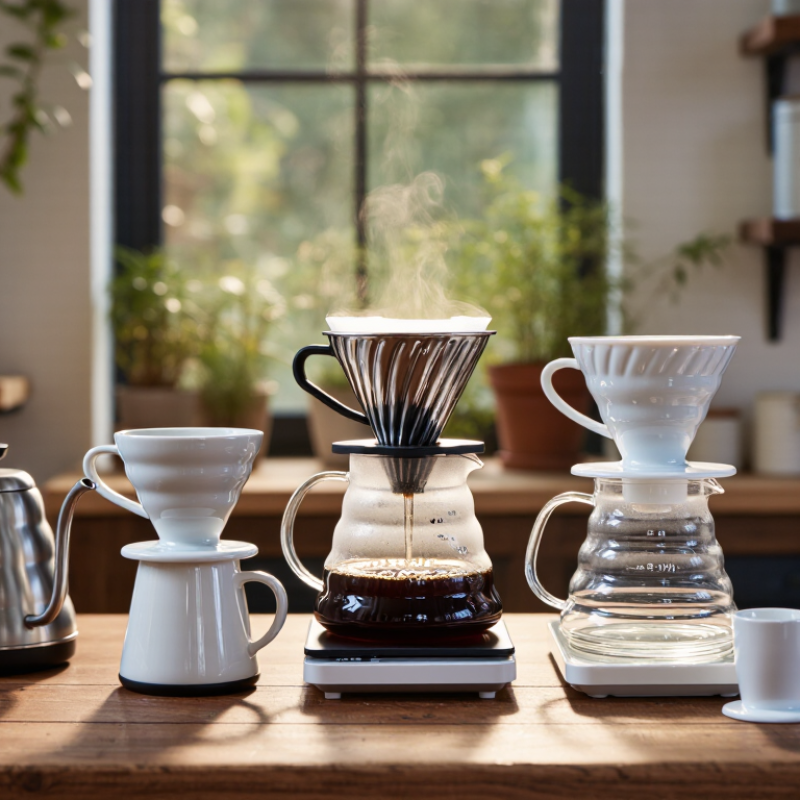
How to Choose the Best Pour Over Coffee Maker in 2026?

Define Your Pour Over Coffee Goals and Brewing Preferences

Start with the cup you want to make, not the brewer’s appearance. Do you usually brew one mug before work, or several cups for a slow weekend? A small dripper may suit single servings, while a larger one gives more room for shared batches. Think about your routine, too. If you need repeatable results, choose a setup that is easy to rinse and measure. If you enjoy adjusting each pour, a brewer with visible flow and a stable base can make experiments easier.

Consider how much control you want over flavor. A consistent grind, measured coffee and water, and steady pouring help you compare brews. Filter shape and dripper design can affect water flow, but technique matters as well. Small details matter. Your preferred cup may take a few tries to find. That is useful information, not a failed purchase.

Tips: Write down your usual serving size and available brew time. Try a basic recipe before changing several variables at once. Check whether filters are easy to find, and whether the brewer fits your mug or scale. If cleanup annoys you after a few days, reconsider that choice. Keep it simple.

Compare Brewer Materials, Shapes, and Filter Compatibility

A pour-over brewer’s material affects heat, handling, and how easily you can judge the brew. Ceramic holds warmth well after preheating, while clear glass makes the water level and coffee bed easy to see. Glass can chip, though, and thick ceramic may feel heavy when wet. Stainless steel travels well, but thin walls may lose heat faster in a cool kitchen. Small details matter.

A cone-shaped dripper often encourages a deeper coffee bed and a focused pour; a flat-bottom design spreads grounds more widely. Neither shape guarantees better coffee. Grind size, dose, and pouring pace still affect extraction, so treat shape as one variable, not a shortcut. Ridges and drainage openings can also change flow, especially when a filter sits close against the walls.

Check filter type and dimensions before buying. Some brewers accept common cone or basket papers, while others need a particular size or shape. Folded seams should lie flat without blocking the outlet or crowding the coffee bed. Reusable metal filters let more oils and fine particles through; paper usually gives a cleaner cup but needs regular restocking. In practice, fit is easy to overlook. A filter that looks close may bunch at the rim and send water down one side. Try a small brew and watch how the water drains.

Evaluate Capacity, Control, and Ease of Everyday Use

Capacity should match the coffee you actually brew, not an idealized weekend routine. A small dripper suits one mug, while a larger brewer can handle several servings. Check the stated capacity in brewed coffee, since some listings describe the amount of water it holds. For a single cup, a narrow cone may fit over your usual mug, but it can feel unstable on a wide rim. A flat-bottom brewer often gives grounds more room to spread. Small detail, big difference.

Control matters when you want to adjust flavor. Look for a brewer that lets water drain at a steady pace and gives you room to pour in circles. A gooseneck kettle can help, though it is not essential. Paper filters are convenient and catch fine sediment; reusable filters reduce waste but may let more oils through. That changes the cup, not necessarily for the better or worse. Ease of everyday use is less glamorous. Check whether the brewer is simple to rinse, whether its handle stays cool, and whether replacement filters are easy to find. I would not choose solely by advertised precision: a setup that takes too long to clean may end up unused.

Match the Coffee Maker to Your Budget and Skill Level

Choosing a pour-over maker starts with an honest look at your routine, not a fantasy of slow, perfect mornings.

The National Coffee Association’s 2024 National Coffee Data Trends report found that 45% of U.S. adults had specialty coffee the previous day. That interest does not mean everyone needs a costly setup. If you brew one cup before work, a simple dripper and a kitchen scale may be enough. Start modestly.

Skill matters as much as price. The Specialty Coffee Association’s brewing guidance gives a useful baseline: about 55 grams of coffee per liter of water, with water around 92–96°C.

A basic cone-shaped brewer lets you practice pouring steadily and adjusting grind size. A flat-bottom model can be more forgiving when your pouring is uneven. Neither shape guarantees a great cup. I still find rushed pours taste thin.

For a tighter budget, choose a durable brewer that fits your mug and is easy to clean; spend on a scale before decorative accessories.

If you enjoy fine adjustments, consider a model with a controlled flow and pair it with a gooseneck kettle. That adds cost and another variable to manage.

Paper filters also affect cleanup and taste, so check their availability before buying. A brewer that sits unused is poor value, even if its specifications look impressive.

Test Key Features Before Making Your Final Choice

Choosing a pour-over maker is easier when you test it with your usual coffee, grinder, and kettle. Start with temperature control: the Specialty Coffee Association’s brewing guidance places recommended water temperature around 92–96°C. Check whether the brewer drains steadily, without sudden pooling or a rushed finish. Pour at a repeatable pace and note the total brew time. Small differences matter. A narrow spout may help control your pour, but it can feel slow during a busy morning.

Use the SCA Brewing Control Chart as a practical reference: its target zone pairs roughly 18–22% extraction yield with 1.15–1.35% total dissolved solids. These are benchmarks, not guarantees of a delicious cup. Taste the same beans from each candidate, then adjust grind size before judging the brewer. Also test capacity, filter availability, stability on your mug, and cleanup. A glass model may look appealing, yet feel fragile beside a crowded sink. I would not overvalue a built-in stand; it may take up counter space without improving the coffee. Record the results, even if your notes are imperfect. Short tests reveal more than attractive product claims.

How to Choose the Best Pour Over Coffee Maker in 2026? - Test Key Features Before Making Your Final Choice

Brewer Type Brew Bed Shape Flow and Control Filter to Check Learning Curve Best Suited For What to Test Before Buying
Cone dripper Conical bed, usually with one larger opening or several smaller openings. Pour rate and pattern have a noticeable effect on drawdown and extraction. Confirm the correct cone-shaped filter size is easy to find and fits the brewer. Moderate; consistent pouring helps produce repeatable cups. People who want hands-on control and enjoy adjusting their pouring technique. Check that the brewer sits securely on your mug or server and that the filter does not collapse or obstruct the outlet.
Flat-bottom dripper Flat bed, commonly designed with multiple drainage openings or channels. Often supports a more even bed depth; flow still depends on grind, pouring, and filter design. Check whether it takes flat-bottom paper filters and whether the filter shape is readily available. Moderate; an even coffee bed and steady pours are useful. Brewers seeking a straightforward manual method with an even, repeatable workflow. Test how easily the filter sits in the brewer and whether the base fits your cup or serving vessel.
Immersion-style pour over Coffee steeps in water before draining through a filter. Steeping time is a major control point; drainage begins when the release mechanism is opened. Check the required paper or reusable filter and how the release mechanism is cleaned. Low to moderate; timing the steep is generally simpler than controlling every pour. People who prefer a forgiving process and want to control steeping time. Operate the release mechanism with water in the brewer and check for drips, sticking, or difficult-to-clean parts.
Large-capacity manual dripper Typically a larger cone or flat-bottom design intended for multiple servings. A larger coffee bed can make even water distribution more important. Verify the filter size and shape for the exact capacity; filter sizes are not universal. Moderate to high when brewing larger batches by hand. Households or small groups that want to brew several servings at once. Confirm the stated capacity, stability on your server, and whether the brewer is comfortable to handle when full.
Reusable-filter dripper Shape varies; the filter may be metal or another washable material. Flow depends on the filter’s mesh or perforation design as well as grind size and pouring. Check the filter material, replacement availability, and cleaning instructions. Moderate; grind adjustments may be needed to suit the filter. People who want to reduce reliance on disposable paper filters. Inspect the filter for a secure fit, easy rinsing, and any trapped grounds after a test brew.
Quick buying checks Match the brewer’s shape to the filter you can obtain consistently. A gooseneck kettle can make controlled pouring easier, but it is not required for every brewer. Paper filters can affect flow and cleanup; reusable filters require regular cleaning. Choose a design that suits the time and attention you want to spend. Consider serving size, storage space, and the cups or server you already own. Check material, heat-safe handling, dishwasher guidance, stability, replacement parts, and total cost of filters.
Starting recipe reference A common starting ratio is 1 g of coffee to 16 g of water; for example, 20 g of coffee to 320 g of water. A commonly used brew-water temperature range is about 90–96°C (194–205°F); adjust to taste and the coffee. Use the same coffee dose, water amount, and pouring routine when comparing brewers for a fair test.

Capacity, filter compatibility, materials, and cleaning guidance vary by individual model. Check the product specifications before purchasing.

FAQS

How should I choose a pour-over brewer for my routine?

Match its size to your usual batch. A small dripper suits one mug before work; a larger brewer offers more room for weekend coffee.

What basic equipment do I need?

A simple dripper, suitable filters, and a kitchen scale are enough to begin. Check that the brewer fits your mug or scale.

What coffee-to-water ratio is a useful starting point?

Try about 55 grams of coffee per liter of water. Adjust after tasting, rather than changing several things at once.

What water temperature should I use?

A useful range is 92–96°C. Measure it if you can; guessing may lead to uneven results.

Is a cone-shaped or flat-bottom brewer better for beginners?

A cone lets you practice steady pouring and grind adjustments. A flat-bottom model may be more forgiving when your pour is uneven.

Does an expensive brewer guarantee better coffee?

No. Technique, grind, and measurements matter too. A costly brewer can still sit unused.

When is a gooseneck kettle worth considering?

It may help if you enjoy controlling each pour. It also adds cost and another variable to manage.

What should I check before buying filters?

Make sure they are easy to find and fit the brewer. Paper filters can affect cleanup and taste.

How can I make my brews more consistent?

Measure coffee and water, keep your grind steady, and pour at a similar pace. Write down each recipe; even then, results can vary.

What if my first cup tastes thin?

Try a steadier pour or adjust the grind next time. A few imperfect cups are part of learning.

Conclusion

Choosing the best Pour Over Coffee Maker in 2026 starts with understanding your personal brewing goals. Consider whether you prefer a quick, simple cup or a more hands-on process that allows precise control over water temperature, pouring speed, and extraction time. Compare materials such as ceramic, glass, metal, and plastic, as each affects heat retention, durability, portability, and ease of cleaning. The brewer’s shape and filter compatibility also influence flow rate, flavor clarity, and the type of coffee preparation you can enjoy.

Next, evaluate capacity, handling, and everyday convenience. A smaller brewer may suit one person, while a larger model is better for shared use. Choose features that match your budget and skill level, avoiding unnecessary complexity if you are new to manual brewing. Before making a final decision, test important details such as stability, grip, filter fitting, pouring control, cleanup, and replacement-part availability. The ideal choice should balance flavor potential, comfort, durability, and practicality for your regular coffee routine.

Isabella

Isabella

Isabella is a dedicated marketing professional with a sharp focus on driving brand growth and engagement through strategic content creation. With an extensive background in digital marketing, she combines her passion for storytelling with her keen understanding of industry trends to deliver......