Imler
Choosing the 2026 best Coffee Grinder for global buyers requires more than comparing burr size or motor power. Coffee tastes different when beans meet uneven particles, excessive heat, or a poorly calibrated setting. A grinder should produce consistent grounds for espresso, pour-over, French press, and everyday filter coffee. It should also suit the buyer’s kitchen, budget, electricity supply, and maintenance habits.
James Hoffmann, respected coffee educator, author, and former World Barista Champion, has said, “The grinder is the most important piece of equipment in coffee.” That observation guides this review. A strong model should offer precise adjustment, durable burrs, stable dosing, and practical cleaning access. Buyers in Europe may need 220–240V compatibility. Customers in North America often require 120V versions. Warranty coverage and replacement parts matter just as much.
Real use reveals details that product pages often hide. Does the grinder retain coffee beneath its burrs? Is the adjustment dial clear at 6 a.m.? Can a small café clean the chute without special tools? These questions separate attractive machines from dependable equipment. However, no ranking is flawless. Taste preferences vary, and even an excellent grinder may disappoint with stale beans or poor brewing technique. I also admit that noise, static, and workflow can be difficult to judge consistently across countries.
This guide compares leading Coffee Grinder options through performance, usability, durability, value, and international practicality. It considers home brewers, office users, cafés, and travelers. The goal is not to crown one universal winner. It is to help each buyer choose a grinder that performs reliably in real conditions.
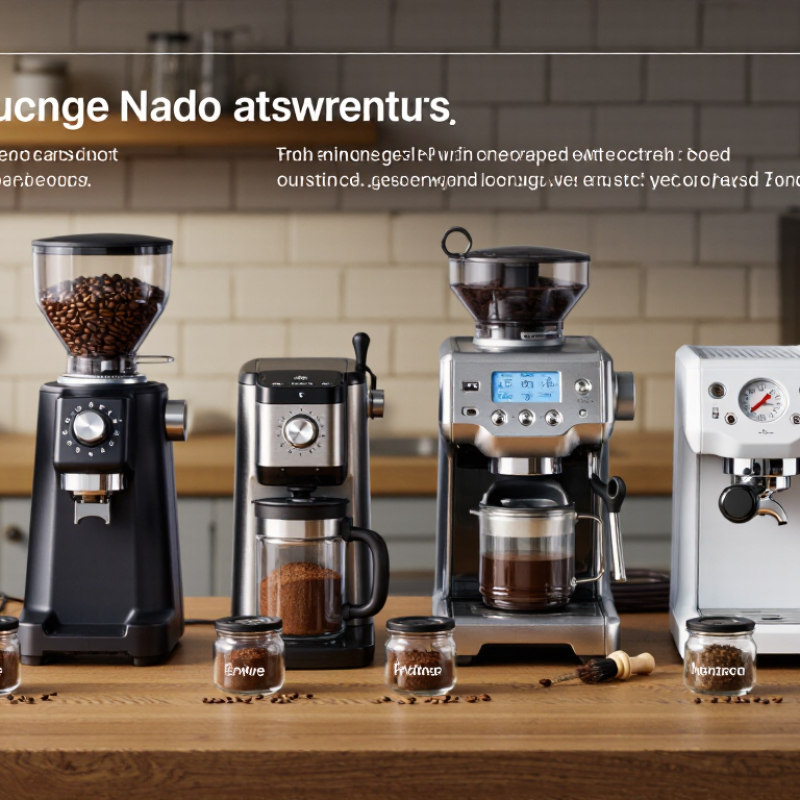
Coffee Grinder Basics: Types, Burr Systems, and Grinding Principles
Global coffee consumption reached about 177 million 60-kilogram bags in 2022/23, according to the International Coffee Organization’s Coffee Report. That volume reflects one simple truth: grinding quality matters. Blade grinders chop beans unevenly, creating dust and large fragments. Burr grinders crush beans between two surfaces. They produce more consistent particles, although no grinder is perfectly uniform.
Conical burrs usually require less energy and work well in compact machines. Flat burrs can deliver tighter particle distribution, especially for precise brewing. The ideal choice depends on brewing method, not appearance. Espresso needs fine, even particles and careful adjustment. French press needs a coarse grind with fewer powdery fines. Grinding too fine may slow filtration and create bitterness. Grinding too coarse can produce weak, sharp coffee. Burr alignment, burr material, motor speed, and retained grounds also affect consistency. The Specialty Coffee Association links controlled particle size with more repeatable extraction, but home results can still vary.
Tips: Change only one setting at a time. Weigh the beans before grinding. Clean the burr chamber regularly. Listen for unusual noise. I still find small retention changes frustrating, especially with light roasts. A short purge may help, but it also wastes coffee. The best setting is often a practical compromise, not a laboratory result.
Coffee grind size is commonly described by the approximate median particle diameter. Espresso uses the finest grind, while cold brew generally requires the coarsest. Burr grinders produce more consistent particle sizes than blade grinders, and both flat and conical burr systems can support a wide range of brewing methods when properly adjusted.
The particle-size values are practical target estimates in micrometers (µm); actual results vary with coffee beans, grinder geometry, burr alignment, and brewing recipes.
Choosing a coffee grinder should begin with your brewing method, not its appearance. Espresso needs fine, consistent particles and precise adjustment. A small change can alter pressure, flow, and flavor within seconds. For pour-over coffee, a medium grind with low particle variation helps water move evenly through the bed. I recommend testing several settings with the same coffee and water.
French press and other immersion methods usually need a coarse grind. Too many fine particles can create muddy cups and a bitter finish. Turkish-style coffee requires an exceptionally fine powder, so not every grinder can perform well. Burr geometry matters more than impressive speed. Slow grinding may also reduce heat during repeated use.
Think about your kitchen and local conditions. Manual grinders suit travelers and areas with unstable electricity, but they require effort. Electric models save time, yet voltage compatibility and replacement parts deserve careful checking. Humid climates can increase retention and clumping, especially with oily beans.
Clean the grinding chamber regularly. I still make mistakes when switching between fine and coarse settings. Some grounds remain inside, and the first dose may taste different. A short purge can help, but it also wastes coffee. There is no perfect grinder for every method; the best choice matches your daily routine, maintenance habits, and tolerance for small inconsistencies.
For global buyers, grind range should match real brewing habits, not impressive packaging claims. The International Coffee Organization recorded over 130 million 60-kilogram bags in global exports during 2023/24. That scale reflects varied brewing traditions, from fine espresso to coarse press brewing. Choose a grinder with clear, repeatable adjustment steps. SCA brewing guidance commonly targets 18–22% extraction and 1.15–1.45% TDS. A narrow or inconsistent grind can make those targets difficult to reach. Consistency matters more.
Motor power deserves careful judgment. Higher wattage may improve speed, but it does not automatically produce better particles. Look for thermal control, stable rotation, and a duty cycle suited to household or light commercial use. Grinding several doses should not create a hot, burnt smell. I would not treat wattage as a durability score. That shortcut is tempting, but incomplete.
Capacity should reflect daily use. A 200–300 gram hopper may suit shared homes, while single-dose use can protect freshness. The USDA Foreign Agricultural Service has forecast global coffee consumption above 170 million 60-kilogram bags, showing why capacity needs differ across markets. For durability, prioritize metal drive components, sealed bearings, replaceable burrs, and accessible cleaning points. Plastic is not always weak, yet thin mounts can flex and alter alignment. My own buying rule has a flaw: I often value repairability too late. Availability of spare parts, voltage compatibility, and local service can matter more than a larger hopper.
2026 Best Coffee Grinder for Global Buyers
Voltage matters. A grinder rated for 120 volts may fail on a 230-volt supply. Check both voltage and frequency, such as 50 or 60 Hz, before ordering. A plug adapter only changes the shape of the plug. It does not convert electricity. I have seen buyers overlook this detail and damage otherwise excellent equipment. That mistake is expensive.
Regional safety standards also deserve careful attention. Look for certification marks accepted in your country, not only the seller’s general safety claims. Confirm whether the grinder includes the correct plug, cable, and operating instructions. Some markets require specific labeling or importer information. Requirements can change, so verify details with the local distributor or an official standards authority. That detail matters.
Warranty support is often more valuable than a small price reduction. Ask whether repairs are handled locally, who pays return shipping, and whether coverage applies to voltage-specific models. Check the warranty period and exclusions for burr wear, blocked motors, or commercial use. Availability matters too. Replacement burrs, containers, and switches should be obtainable without long international delays. Keep records. Save the invoice, serial number, and service contacts. My own buying checklist has improved, but it is still imperfect; I once trusted a product page and missed the limited local warranty.
2026 Best Coffee Grinder for Global Buyers
2026 Grinder Selection Guide for Different Users and Budgets
Choosing a grinder in 2026 starts with your brewing method, not its appearance. A compact hand grinder suits travelers, students, and small kitchens. It offers quiet operation and consistent results, but grinding for several people can become tiring. For espresso, prioritize fine adjustment, stable burr alignment, and a motor that handles repeated use. Filter coffee usually allows a wider adjustment range and simpler maintenance.
Budget buyers should check burr material, adjustment steps, retention, and replacement-part access. A lower price can work well for occasional brewing. However, very coarse steps may make dialing in difficult. Mid-range users often benefit from stepless control, lower static, and a stronger drive system. These features matter when changing between light and dark roasts. I have found that easy cleaning often improves consistency more than extra settings.
Professional users need repeatability, service support, and documented testing. Measure grounds before and after grinding, then record brew time and flavor. Small differences become obvious over several cups. Global buyers should confirm voltage, plug compatibility, warranty coverage, and local repair options. Ceramic burrs can resist heat, while hardened steel often delivers faster grinding; neither choice is perfect. I still question whether premium speed matters for one daily cup. Personal workflow, climate, roast style, and patience should guide the final choice.
Blade grinders chop beans into dust and large fragments. Burr grinders crush beans between two surfaces. Burr systems usually create more consistent particles. Perfect uniformity remains unrealistic.
Conical burrs often use less energy and suit compact machines. Flat burrs can provide tighter particle distribution. Brewing style matters more than appearance.
Espresso usually needs fine, even particles. French press needs a coarse grind with fewer powdery fines. Too fine may cause bitterness. Too coarse can taste weak and sharp.
Burr alignment, burr material, motor speed, and retained grounds all matter. Choose clear, repeatable adjustment steps. Small alignment changes can noticeably affect extraction.
Change one setting at a time. Weigh beans before grinding. Clean the burr chamber regularly. Listen for unusual noise. Small details matter.
Not automatically. Stable rotation, thermal control, and a suitable duty cycle matter more. Several doses should not create a hot, burnt smell. Wattage is only one clue.
A 200–300 gram hopper may suit shared households. Single-dose grinding can better protect freshness. Choose capacity based on daily use, not impressive packaging.
Look for metal drive components, sealed bearings, replaceable burrs, and accessible cleaning points. Plastic is not always weak. Thin mounts can flex and disturb alignment.
Confirm voltage compatibility, spare-part access, and local service. A large hopper may matter less than repair support. I learned this late. It is an imperfect rule.
Choosing the right Coffee Grinder in 2026 requires more than comparing prices or appearance. This guide explains the differences between blade and burr systems, how particle size affects extraction, and why grind consistency matters for espresso, pour-over, French press, cold brew, and other brewing methods used around the world. It also shows how to match adjustment settings, speed, and control features with individual brewing habits.
The guide reviews essential buying factors, including grind range, motor performance, hopper and grounds capacity, noise, cleaning, build quality, and long-term durability. It also highlights regional concerns such as voltage compatibility, electrical standards, warranty support, replacement parts, and local availability. Finally, the selection framework helps beginners, home enthusiasts, frequent travelers, and higher-volume users compare suitable grinder types across different budgets, making it easier to choose a reliable, practical, and future-ready option.
